|
Getting your Trinity Audio player ready...
|
Campaign for Improved Accessibility of Government Websites and Portals (CIAGOP)
Project: Campaign for Improved Accessibility of Government Websites and Portals (CIAGOP)
Implemented by: Centre for Information Technology and Development (CITAD)
Supported by: Association for Progressive Communications (APC)
Date: 23 to 25 July 2026
Introduction
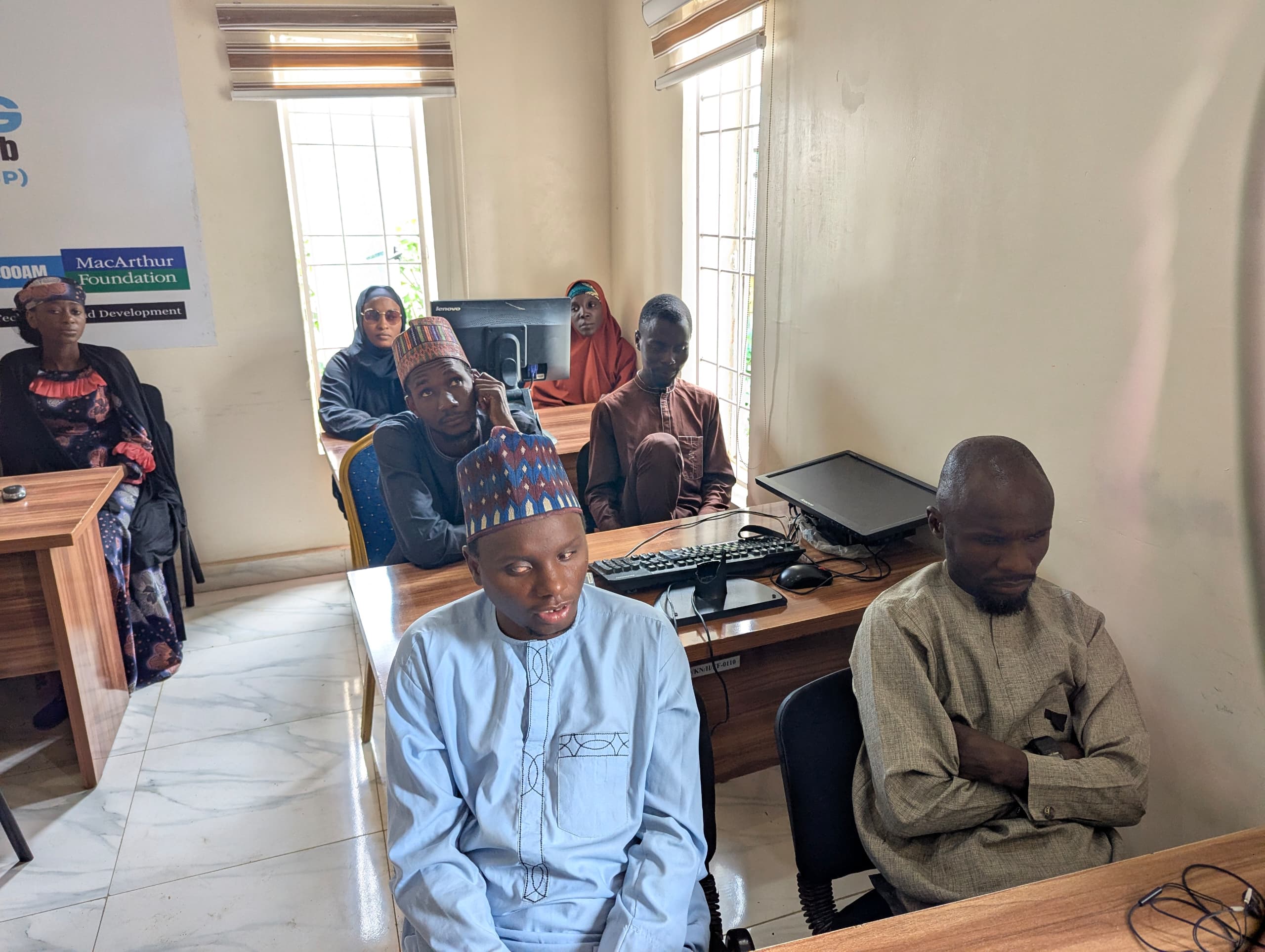
The Centre for Information Technology and Development (CITAD), with support from the Association for Progressive Communications (APC), organized a three-day training on Digital Rights and Online Safety under the Campaign for Improved Accessibility of Government Websites and Portals (CIAGOP). The training was designed to strengthen the digital literacy of persons with disabilities, giving them practical knowledge on digital rights, online safety, data privacy, emerging technologies, and ways to protect themselves from online threats, while also encouraging their meaningful participation in the digital space.
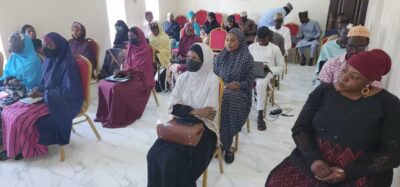
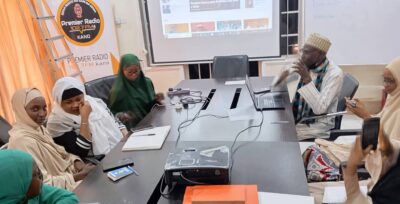
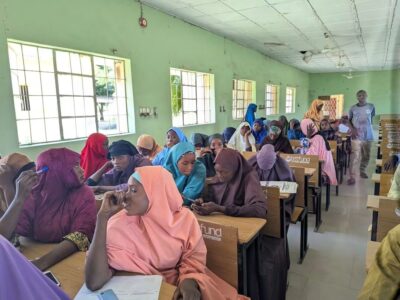
To make the training as accessible as possible, participants from different disability clusters were engaged on separate days. The first day brought together participants from the Albinism Cluster. The second day was for participants from the Hearing Impairment, Dwarfism, and Spinal Cord Injury Clusters. The final day featured twenty participants from the Visual Impairment Cluster.
Opening Session
The training opened with participant registration, followed by the official opening ceremony. Delivering remarks on behalf of the Executive Director of CITAD, Malam Abubakar Auyo, his representative welcomed participants and thanked them for making time to attend. He noted that digital technologies now shape how people access education, employment, governance, healthcare, and economic opportunities, and stressed that persons with disabilities need the knowledge and skills to navigate the online space safely and with confidence.
He encouraged participants to take part actively throughout the training, ask questions, share their own experiences, and apply what they learned to improve their digital safety and support digital inclusion within their communities.
Overview of the CIAGOP Project
The first technical session was facilitated by Hamza Aminu Fagge, who introduced participants to the Campaign for Improved Accessibility of Government Websites and Portals (CIAGOP). He explained that the project works to promote digital accessibility, advocate for inclusive government digital services, and ensure that persons with disabilities are not left out of public information and online government services.
Participants were introduced to the importance of accessibility standards and how they, too, can advocate for more inclusive digital platforms.
Data Protection and Privacy
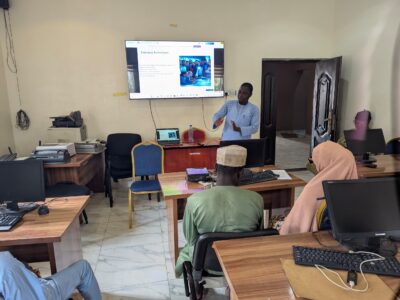 Ali Sabo facilitated the session on Data Protection and Privacy, which centered on the importance of protecting personal information in today’s digital environment. Participants learned about personal data, digital footprints, privacy rights, and common threats such as identity theft, phishing, and unauthorized access to personal accounts.
He also shared practical steps participants can take to secure their information, including using strong passwords, enabling two-factor authentication, being careful about the personal information they share online, and recognizing suspicious activity.
Emerging Technologies
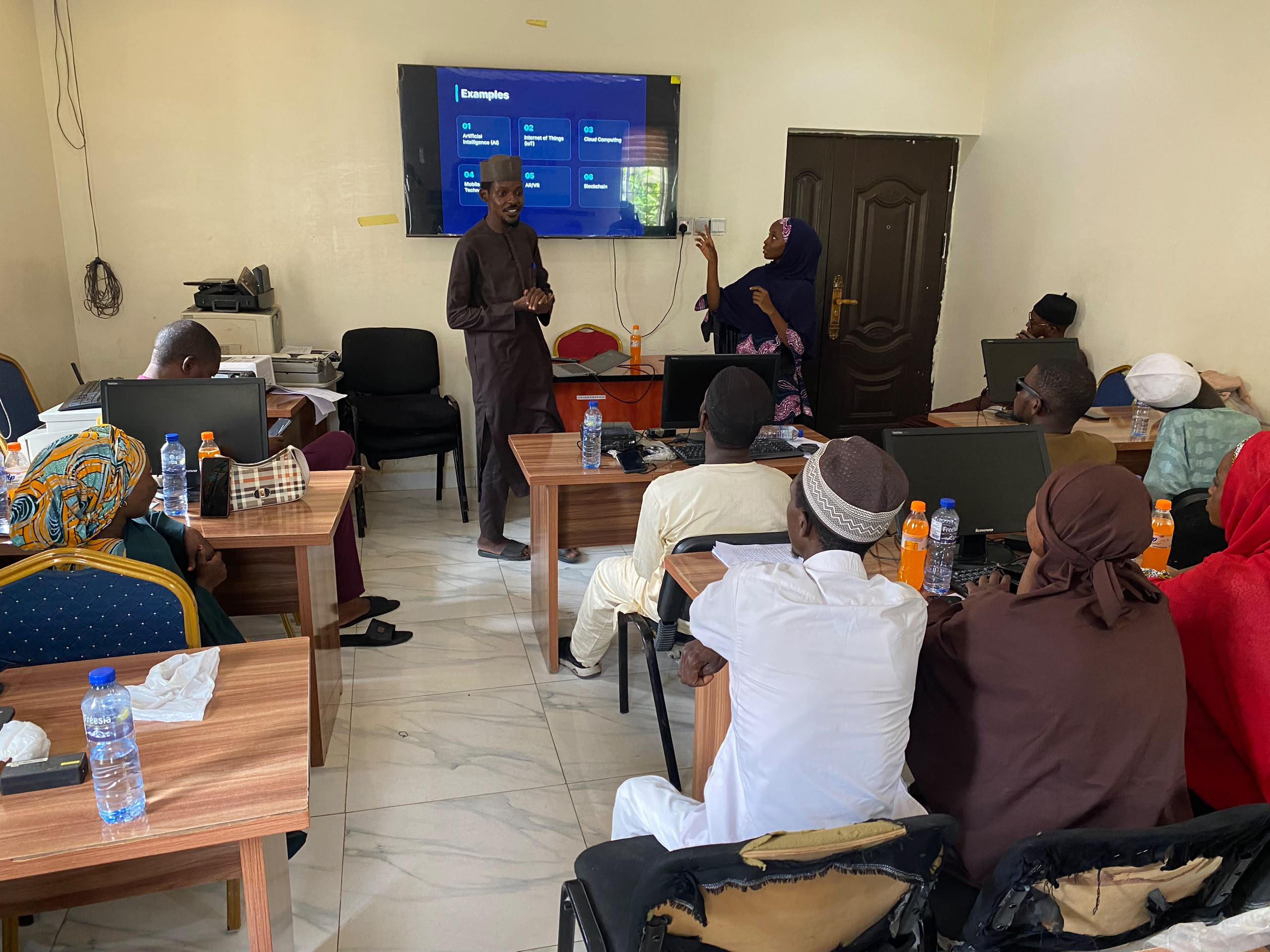
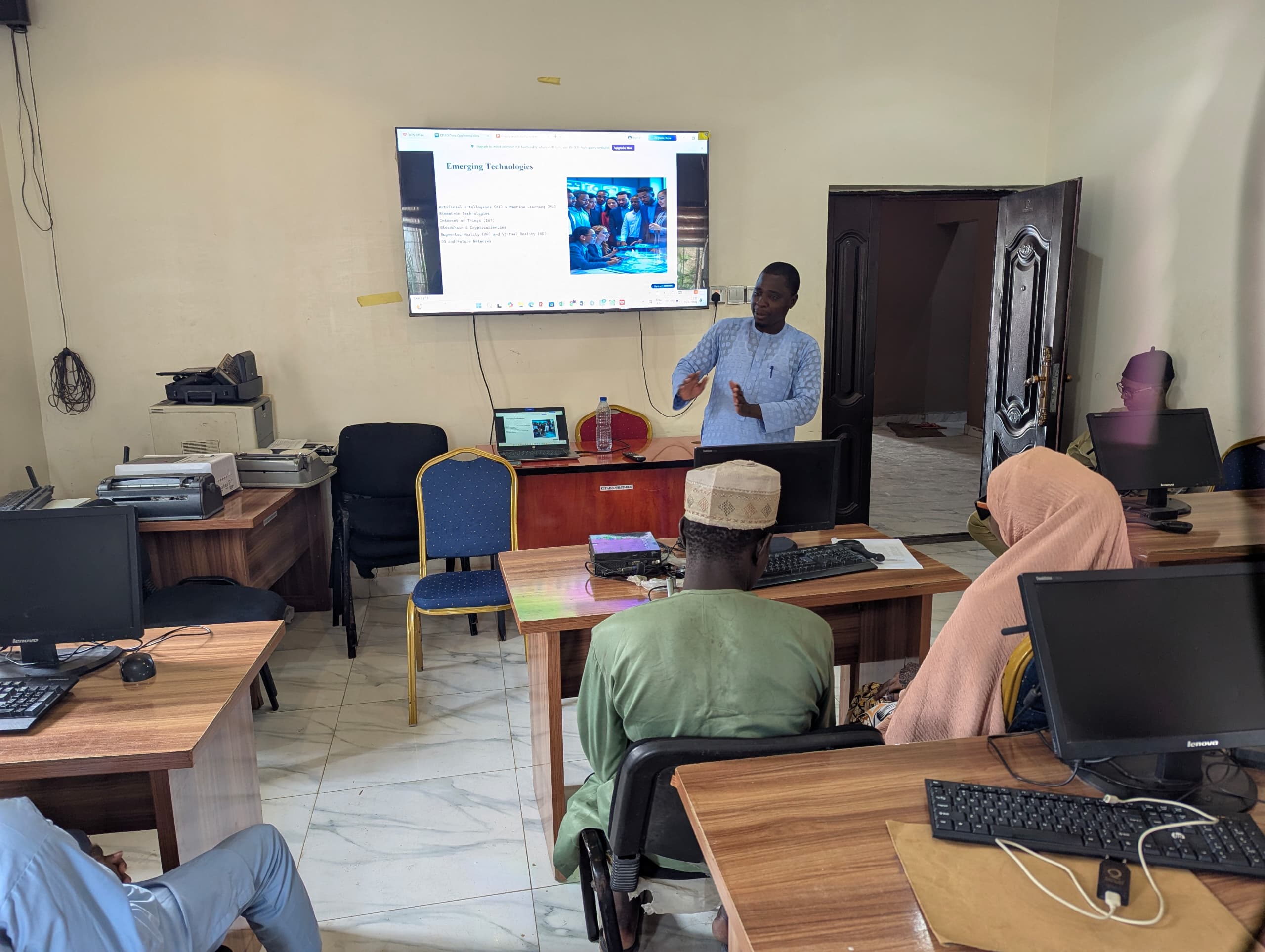
Yusuf Babagana facilitated this session, introducing participants to emerging technologies such as Artificial Intelligence (AI), machine learning, digital assistants, and other innovations reshaping society. Discussions covered both the opportunities and the challenges these technologies present for persons with disabilities.
Participants also learned how assistive technologies and AI powered tools can improve accessibility, communication, education, employment, and independent living, while understanding the importance of using technology ethically and inclusively.
Internet Safety and Security
The Internet Safety and Security session, facilitated by Suhail Sani, helped participants understand common cyber threats and how to stay safe online. Topics covered included online scams, phishing attacks, malware, social engineering, secure browsing, password management, and protecting digital devices.
Participants were encouraged to practice responsible online behavior and make use of available security tools to reduce digital risks while engaging confidently online.
Cyberbullying and Online Harassment
The final technical session, facilitated by Amina Khalid, focused on Cyberbullying and Online Harassment. It explored the different forms online abuse can take, including hate speech, cyberstalking, harassment, intimidation, discrimination, and misinformation targeting vulnerable groups, particularly persons with disabilities.
Participants shared real life experiences and learned practical strategies for responding to online harassment, documenting evidence, using platform reporting tools, protecting their mental well-being, and seeking legal or institutional support when necessary. The session also emphasized respectful digital engagement and building safer, more inclusive online communities.
Interactive Learning
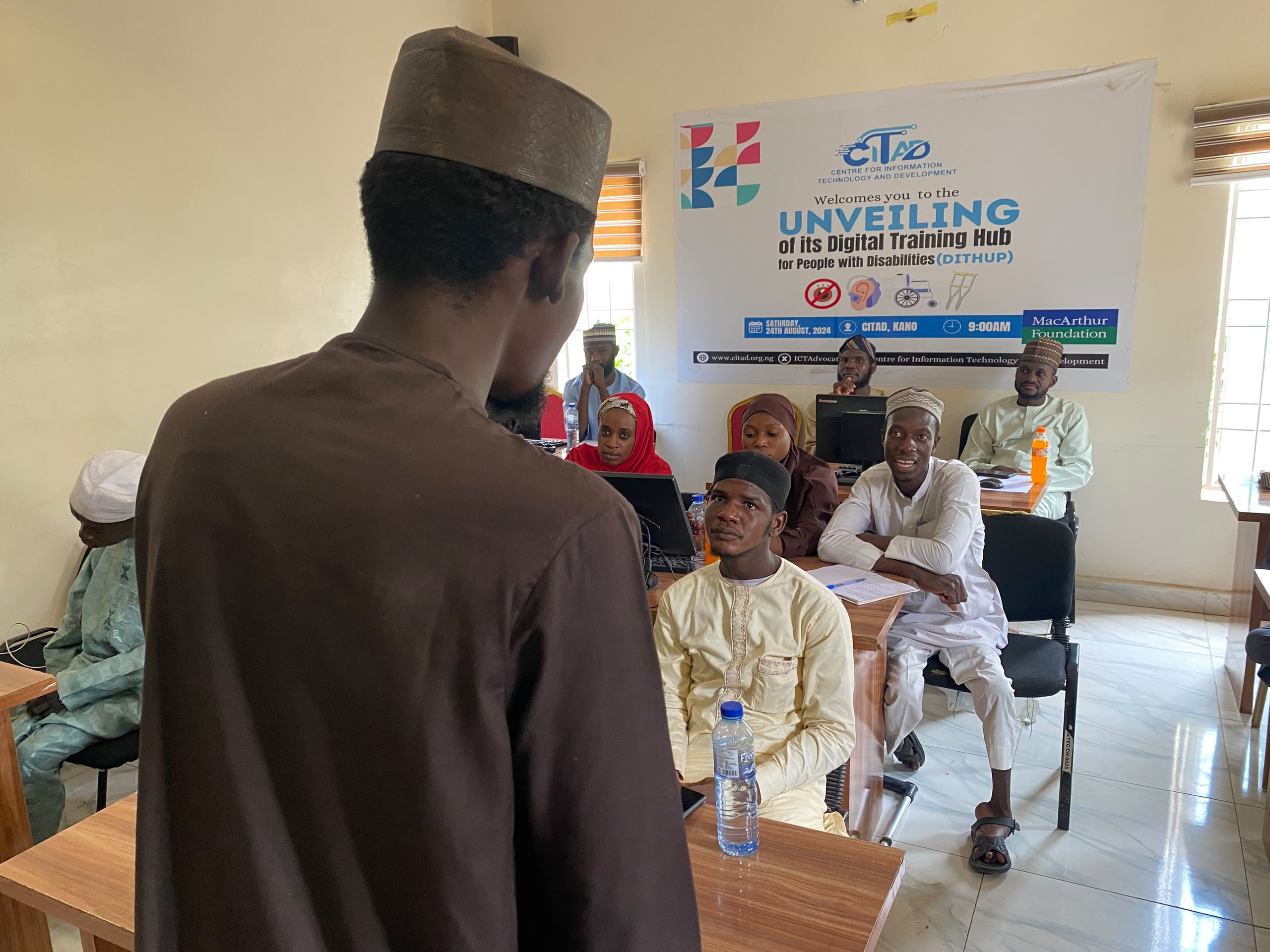
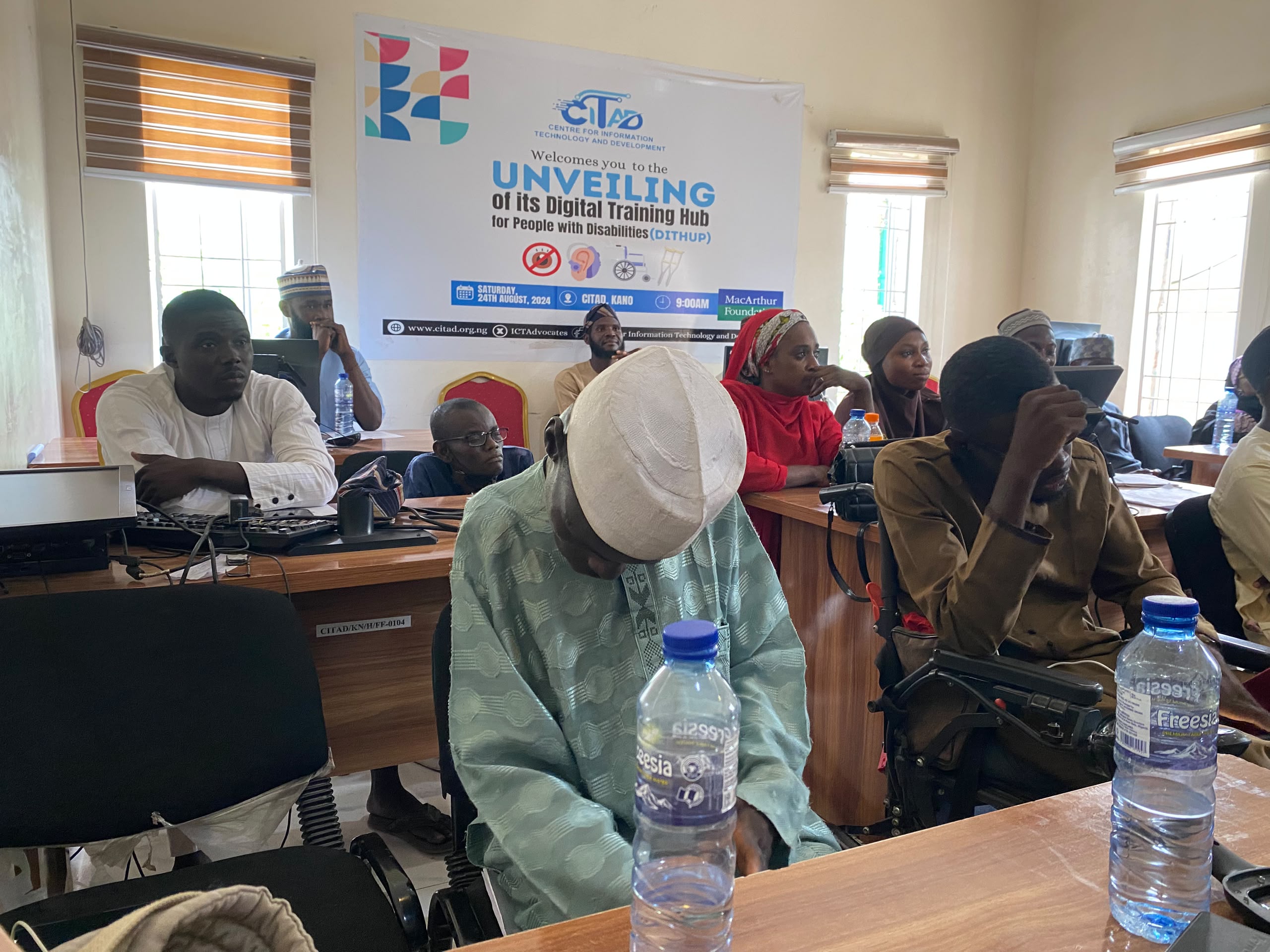
One of the strongest features of the training was how participatory it was. Facilitators made sure every session included dialogue, practical demonstrations, questions and answers, and room for participants to share their experiences. Interactive activities and energizer sessions kept engagement high throughout.
Participants spoke openly about the accessibility barriers they face when using digital services, the challenges they encounter on social media, their experiences with online discrimination, and their concerns around privacy and security. These conversations enriched the training and helped facilitators tailor their recommendations to the participants’ realities.
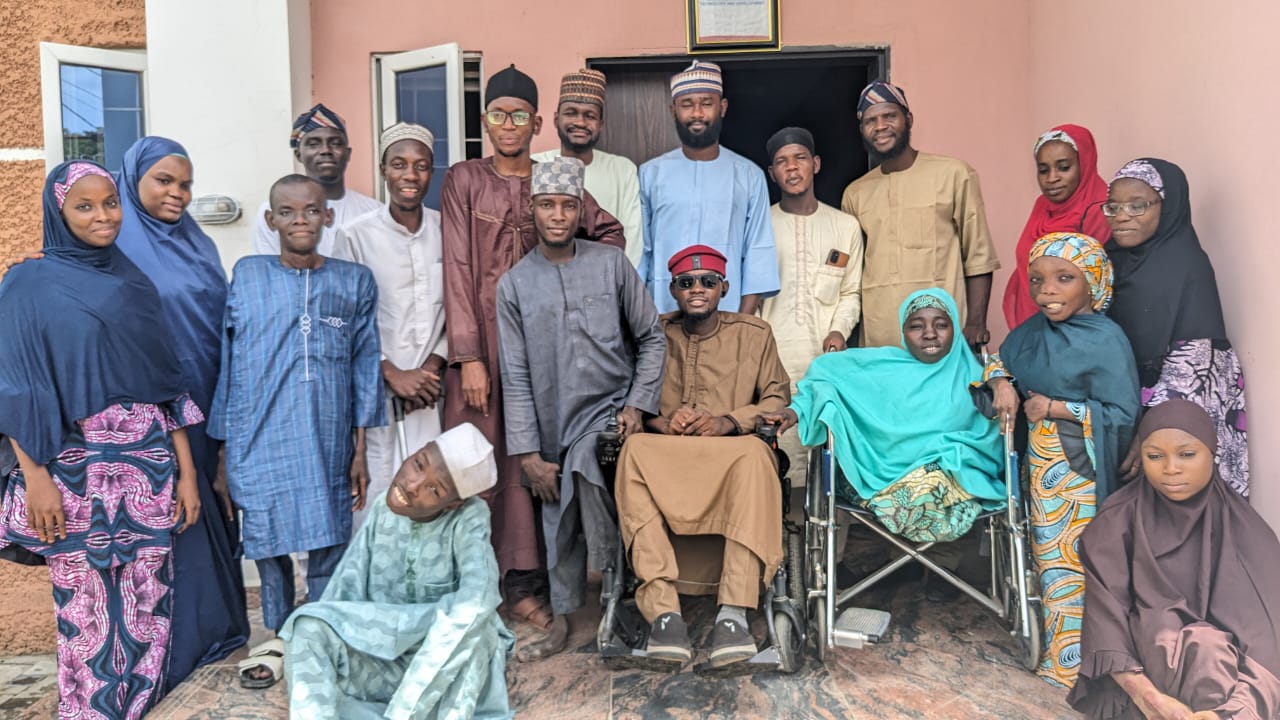
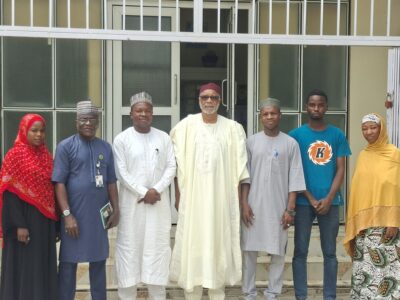
At the end of each day, participants reflected on what they had learned and expressed appreciation for the chance to build their digital knowledge. Each day closed with remarks from a CITAD representative, who thanked participants for their active participation and encouraged them to become ambassadors of digital safety and inclusion in their own communities. A group photograph was taken to mark the completion of the training.
Outcomes
The training achieved a number of important outcomes:
- Improved understanding of digital rights among persons with disabilities
- Increased awareness of online safety and cybersecurity practices
- Enhanced knowledge of data protection and privacy
- Greater understanding of emerging technologies and their implications for accessibility
- Improved capacity to identify, prevent, and respond to cyberbullying and online harassment
- Increased awareness of the importance of accessible government websites and digital services
- Strengthened collaboration and networking among disability clusters and project stakeholders
Conclusion
The three-day training built the digital capacity of persons with disabilities by giving them practical knowledge and skills to navigate the online environment safely and confidently. The interactive nature of the sessions encouraged active participation, knowledge sharing, and peer learning, leaving participants with a stronger grasp of digital rights, online safety, and responsible digital citizenship.
This activity marks a significant milestone under the Campaign for Improved Accessibility of Government Websites and Portals (CIAGOP), reaffirming CITAD’s commitment, with the support of the Association for Progressive Communications (APC), to advancing digital inclusion, protecting the rights of persons with disabilities, and building accessible, inclusive digital spaces for all.