
|
Getting your Trinity Audio player ready...
|
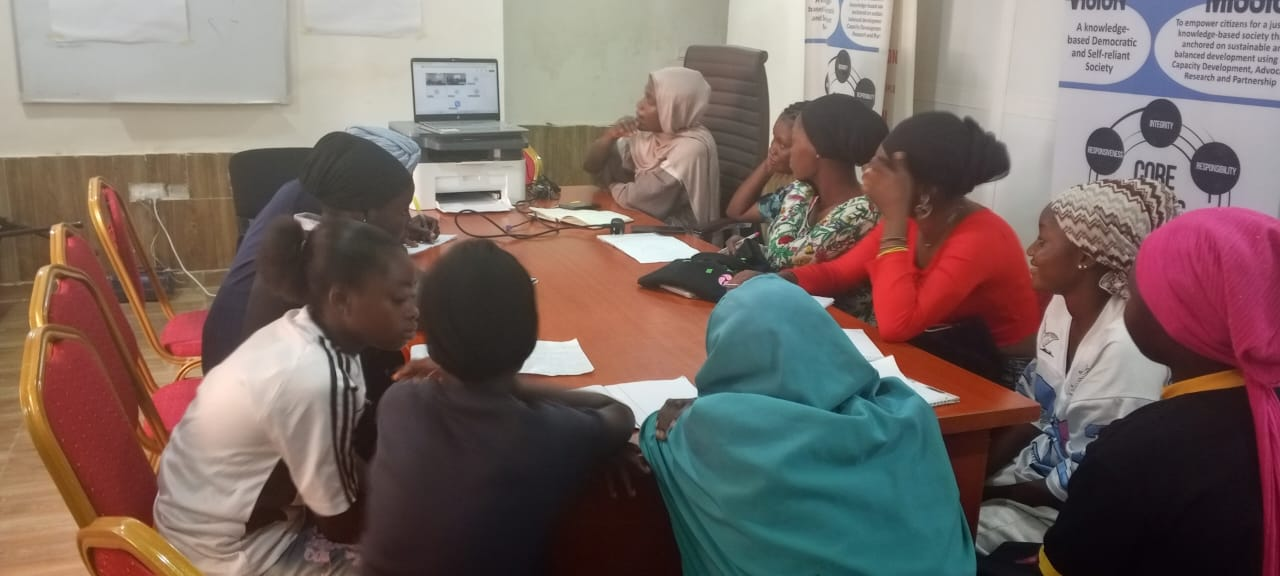
 Background: Girl-Led Action (GLA) supports girls to identify issues affecting them and to speak up and act on them in their communities. ActionAid Nigeria and CITAD convened a two-day virtual training on feminist leadership and public speaking/advocacy skills for GLA girls from Jigawa State and the FCT, with chaperones from Leleyi Gwari and Kilankwa (Kwali Area Council) and Kayache (Kuje Area Council), FCT.
Objectives: To strengthen understanding of leadership and feminist leadership, including feminist values; to help girls identify issues affecting them and plan advocacy responses; to build understanding of advocacy, advocacy indicators and the girl advocate’s role; to equip girls to develop and deliver clear advocacy messages and build public speaking confidence; and to promote collaboration between girls from Jigawa and the FCT.
Methodology: Zoom sessions using facilitator presentations, small-group discussions and plenary feedback, a class scenario exercise, a group exercise on developing advocacy messages by state, and Q&A. Mentors followed up with participants to ensure active participation.
Day One (3rd October 2026): Girls introduced themselves and shared expectations. In groups, they analysed an issue affecting girls (early marriage), identifying target audiences (parents, community leaders, the public), actions (girls’ forums, engaging community leaders) and the girls’ role (organise, engage stakeholders, speak out, document issues), led by Ebere (AAN). Seember covered leadership skills. Sessions on feminist leadership clarified that feminism is about equality and inclusion for all, not hostility to boys and men, and Amina addressed common misconceptions. Feminist values (confidence, courage, empathy, accountability, teamwork, inclusion) were discussed. In a scenario where a teacher restricted a science competition to boys, the girls proposed organising to demand inclusion, engaging the teacher, escalating to school management if unresolved, and organising a mixed competition. Rolake explained advocacy and the role of the girl advocate, and Paul presented the three levels of advocacy indicators (process/output, outcome, impact).
Day Two (4th October 2026): Seember explained the concept of advocacy. Rolake presented a four-part framework for advocacy messages (the problem, why it matters, the solution, the ask) and strategies for delivering them (understand the issue, identify the audience, define the purpose, craft a clear message, choose channels, obtain feedback). In the group exercise, Jigawa girls developed a message on menstrual hygiene directed at the Ministry of Women Affairs, and FCT (CITAD) girls developed a message on child marriage, noting that more than 50 girls had dropped out of school because of it, directed at the Ministry of Women Affairs and parents. Amina closed with encouragement, and participants asked how to overcome fear of public speaking and build confidence.
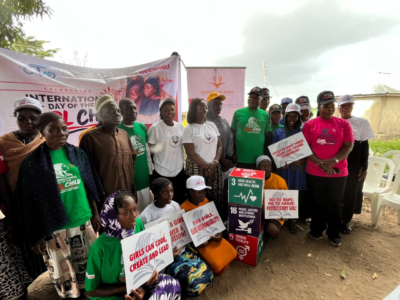
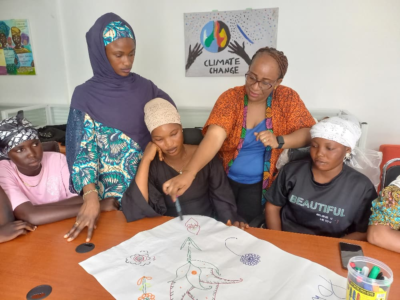
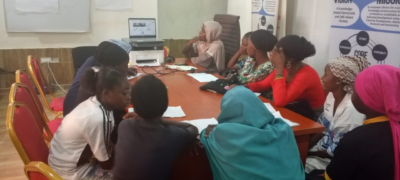
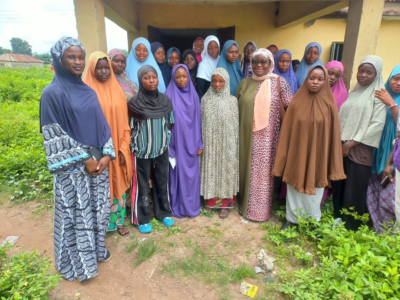
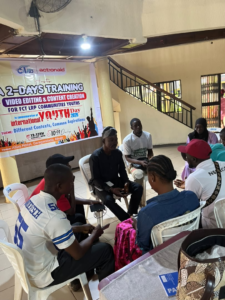
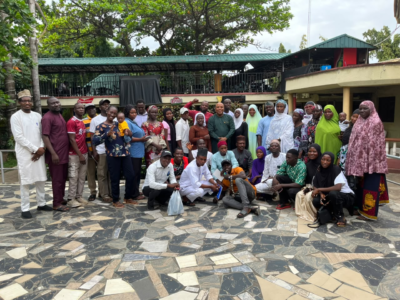
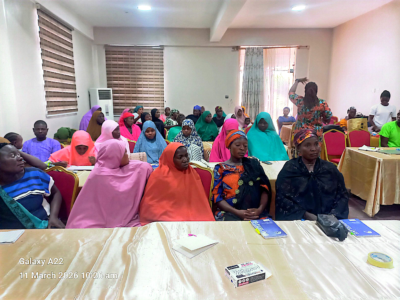
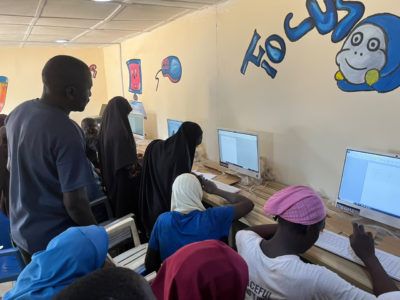
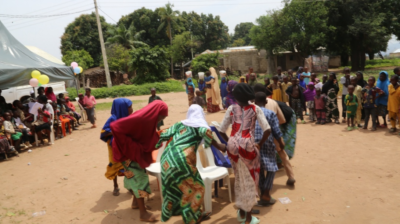
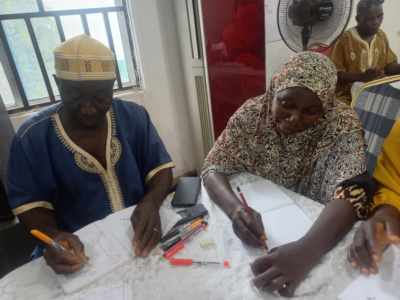
Attachments: Full activity report (Activity Reporting Template, reported 2nd November 2026); attendance record; activity pictures below.