
|
Getting your Trinity Audio player ready...
|
Project Title: Strengthening Digital Safety and Collective Resilience of Women Human Rights
Defenders in Northern Nigeria
Date:Tuesday, 27 October 2026
Time: 9:00 a.m. – 4:00 p.m.
Venue: Bjorn Beckman Hall, CITAD Head Office, Kano State.
Summary
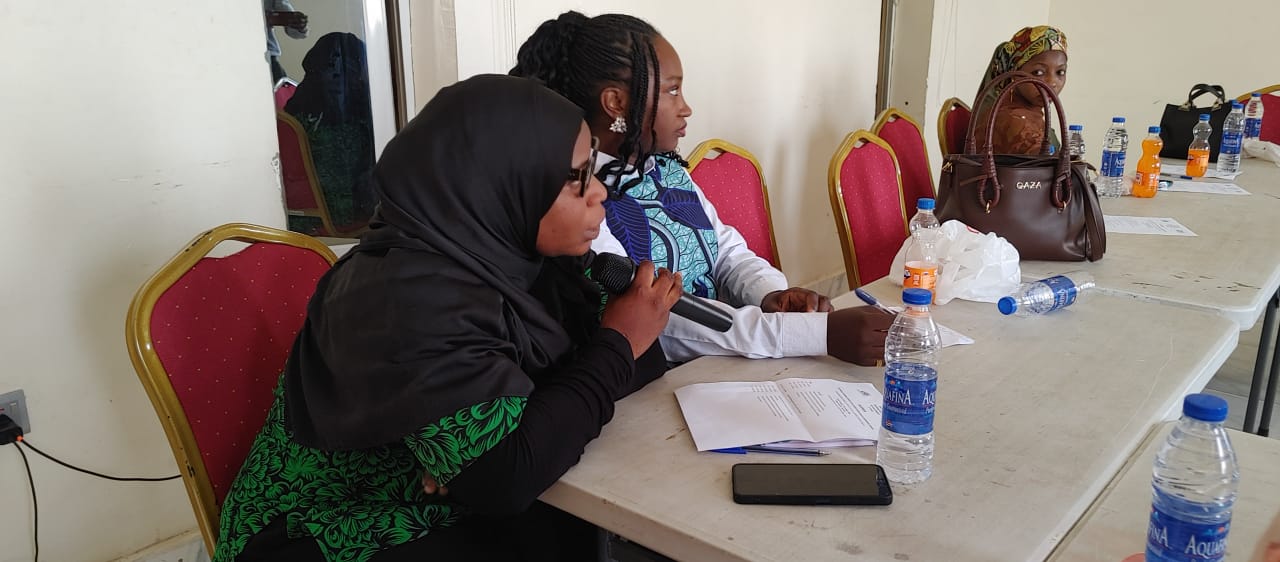
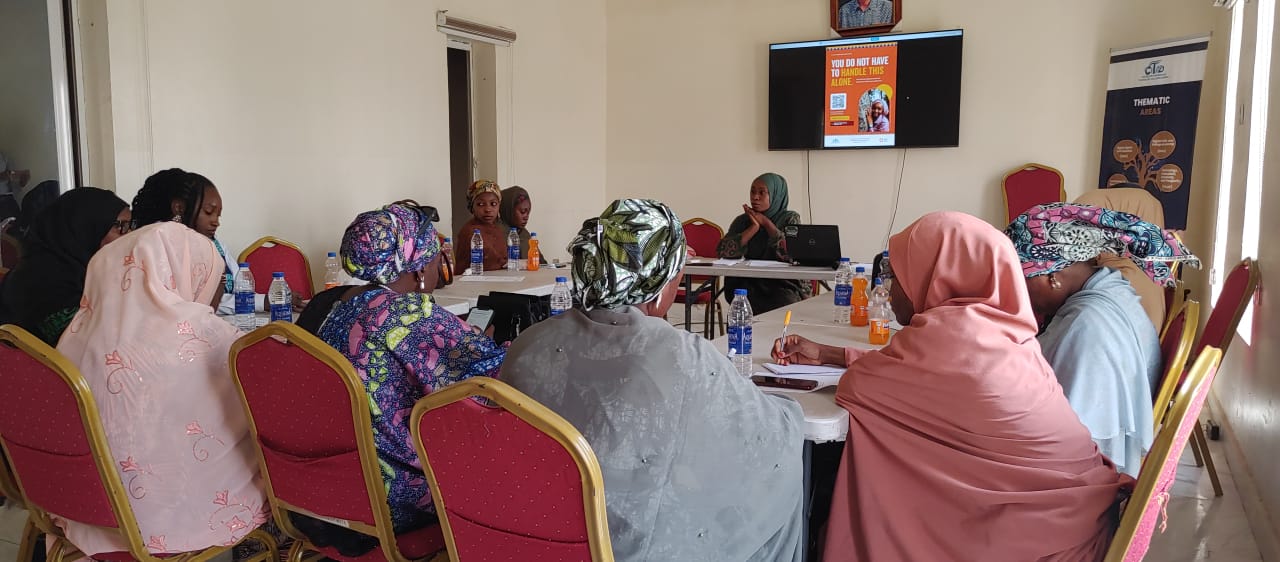
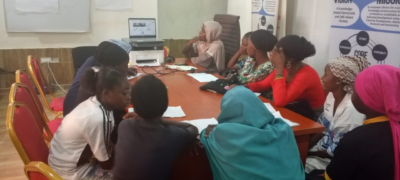
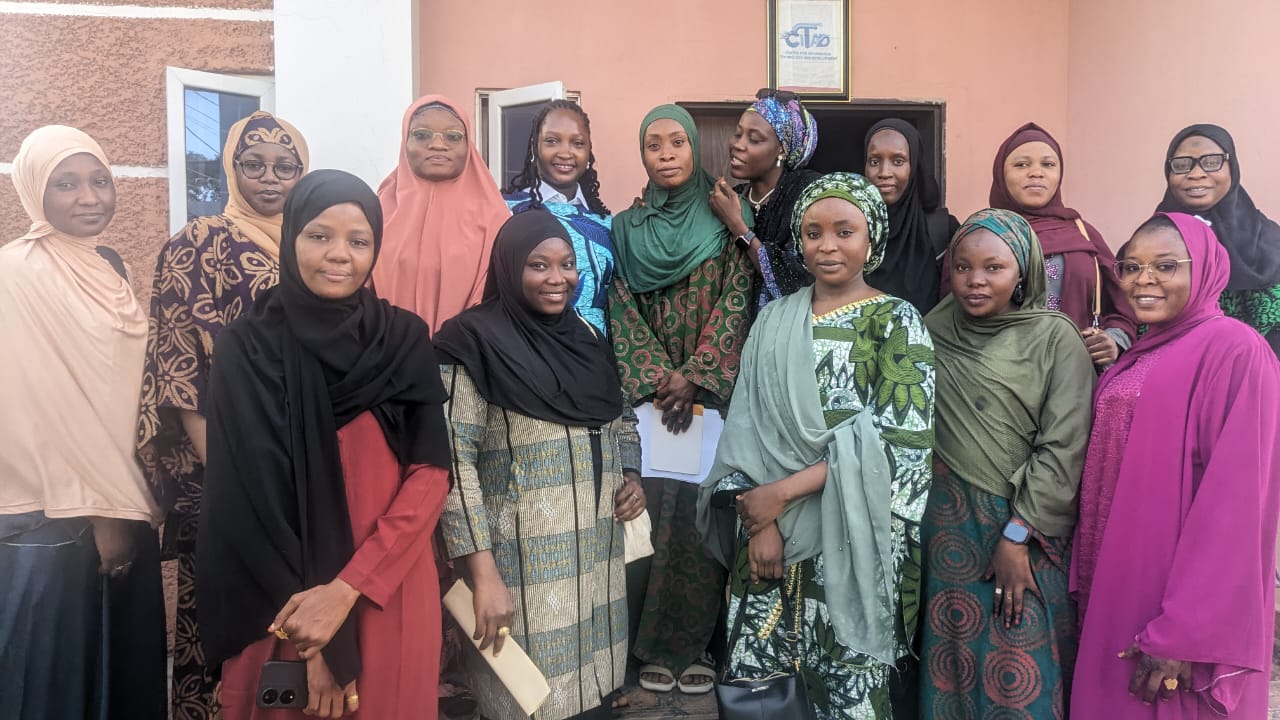
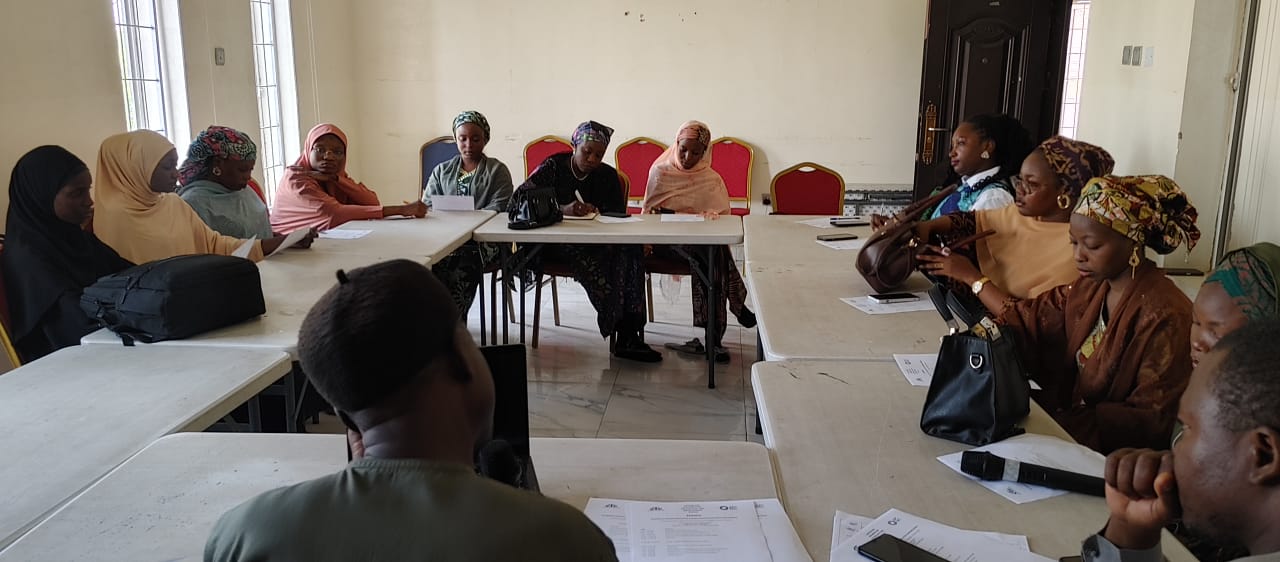
The Centre for Information Technology and Development (CITAD) convened a one day experience sharing session for Women Human Rights Defenders (WHRDs) on Tuesday, 27 October 2026, at Bjorn Beckman Hall, CITAD Head Office, Kano State. The session was organized under the project Strengthening Digital Safety and Collective Resilience of Women Human Rights Defenders in Northern Nigeria.
The session brought together participants with experience in human rights advocacy, journalism, community engagement, digital literacy, gender equality, and related fields to reflect on the digital safety challenges confronting WHRDs, share lessons from previous capacity-building activities, and identify practical approaches to strengthening individual and collective protection.
The discussions moved beyond conventional digital security practices, such as using strong passwords and enabling two-factor authentication, to examine broader threats involving unauthorized access to personal information, suspected phone compromise, misuse of telecommunications services, cyberbully, online harassment, coordinated disinformation, AI-generated abusive images, and attacks against women advocating for human rights and gender equality.
A significant part of the discussion focused on the difficulty many WHRDs experience when seeking support or reporting digital violations. Participants raised concerns about the accessibility and effectiveness of existing reporting channels, the level of trust in law enforcement and judicial institutions, and the absence of clear referral pathways that survivors and defenders can confidently use. The discussion also highlighted the vulnerability of women who have limited digital literacy or little public activity on social media but may nevertheless experience technology-facilitated abuse.
Participants reflected on how knowledge gained from previous digital safety training had influenced their personal practices, interactions with colleagues, and community engagement. Some reported adopting stronger security measures, seeking technical advice, supporting affected individuals, and sharing digital safety information with women in their communities.
The session concluded with a shared recognition that digital safety cannot be addressed through individual precautions alone. It requires continuous learning, survivor-centred support, stronger referral
mechanisms, institutional accountability, policy advocacy, and collaboration among WHRDs, civil society organizations, technical experts, telecommunications regulators, and relevant public institutions.
Background
Women Human Rights Defenders in Northern Nigeria increasingly rely on digital technologies to document human rights violations, mobilise communities, engage public institutions, communicate with colleagues, and advocate for social change. While these technologies provide important opportunities for participation and visibility, they also expose defenders to risks that can affect their privacy, physical safety, reputation, livelihoods, and ability to continue their work.
Digital threats may include harassment, intimidation, impersonation, account compromise, unauthorized disclosure of personal information, image-based abuse, disinformation, and the misuse of emerging technologies to produce manipulated or fabricated content. Such incidents can extend beyond online spaces, creating fear, reputational damage, threats to personal relationships, and potential physical harm.
The risks are not limited to women who are highly active on social media. Individuals who maintain private online profiles or have limited digital literacy may also be affected through their mobile phones, email accounts, telecommunications services, photographs circulated by other people, and information shared without their consent.
Although digital security training can improve awareness and introduce practical protective measures, participants may still struggle to respond when a threat occurs. They may be uncertain about where to report an incident, how to preserve evidence, whom to trust, or how to obtain technical, legal, psychosocial, and emergency support.
Against this background, the experience-sharing session provided an opportunity to assess how participants were applying lessons from previous trainings, examine the gaps that remained, and collectively identify practical approaches for strengthening digital safety and resilience among WHRDs in Northern Nigeria.
Session Objectives
The session aimed to:
1. Provide a platform for WHRDs to share experiences and challenges relating to digital safety and technology-facilitated violence.
2. Assess lessons learned and good practices adopted following previous digital safety capacity-building activities.
3. Examine emerging threats, including suspected device compromise, privacy violations, cyberbullying, disinformation, and AI-generated abusive content.
4. Identify barriers to reporting digital violations and accessing appropriate support and referral services.
5. Strengthen peer support, collective resilience, and collaboration among WHRDs and their organizations.
6. Identify gaps in individual, organizational, and institutional responses to digital threats.
7. Generate recommendations and practical next steps for improving digital protection, reporting, referral, and policy advocacy.
Welcome Remarks
The session commenced with the registration and arrival of participants, followed by welcome remarks and introductions. Malam Isah Garba, CITAD’s Senior Programmes Officer, delivered the welcome remarks on behalf of the Executive Director. He welcomed participants and acknowledged the importance of bringing WHRDs together to reflect on their experiences, challenges, and efforts to remain safe while undertaking human rights and advocacy work.
His remarks provided a foundation for the day’s discussions by emphasizing the importance of creating space for participants to exchange experiences, learn from one another, and collectively identify practical responses to the challenges they face in digital environments.
The welcome session also reinforced the relevance of the project in supporting WHRDs to strengthen their digital safety practices and build collective resilience. By providing a platform for open discussion, the meeting sought to connect the lessons from previous training activities with the practical realities participants encounter in their personal lives, workplaces, organisations, and communities.
Participants subsequently introduced themselves and shared aspects of their professional and advocacy backgrounds, establishing a basis for peer learning and experience exchange.
Overview of the Project
Following the opening session, participants were introduced to the purpose of the experience sharing meeting and its relationship to the broader project on strengthening digital safety and collective resilience among WHRDs in Northern Nigeria.
The discussion centred on the need to move beyond the delivery of training sessions towards understanding whether participants were applying the knowledge acquired, whether the training had improved their ability to respond to threats, and what additional support was needed.
Participants were encouraged to reflect on practical experiences, identify lessons that could be replicated, and highlight areas in which existing digital safety measures were insufficient.
An important principle established during the discussions was that participation should not require anyone to disclose a personal or sensitive incident. Participants were encouraged to use fictionalized or anonymize scenarios where necessary, particularly when discussing harassment, abuse, threats, or other potentially distressing experiences. This approach helped emphasize confidentiality, informed participation, and the need to avoid exposing survivors or third parties to further harm.
The session therefore served both as a learning platform and as an opportunity to identify gaps in the support systems available to WHRDs.
Discussions and Findings
- Experiences of Digital Safety Challenges Among WHRDs
Participants shared reflections on the digital safety challenges they had encountered personally, observed within their organizations, or witnessed among people who sought their assistance.
The discussion revealed that digital threats may take different forms and do not always begin with direct or obvious online harassment. In some cases, a person may become the subject of rumours, insinuations, coordinated attacks, or attempts to undermine their credibility without being explicitly named. Such conduct can create an atmosphere of intimidation while making it difficult for the affected person to establish what happened, identify those responsible, or collect sufficient evidence.
Participants also highlighted the relationship between online attacks and offline consequences. Harassment directed at women who advocate against harmful practices, promote gender equality, or participate in public life may affect their confidence, social relationships, professional standing, and sense of security.
One participant recounted how advocacy against early child marriage had attracted hostile reactions online, including reports against her social media account and accusations that she was promoting ideas considered unacceptable by some members of the community. This illustrated how women speaking publicly on gender equality and human rights may face attempts to silence them through intimidation, account reporting, or reputational attacks.
The discussion also drew attention to the vulnerability of women who are not particularly active on digital platforms. Participants questioned how such women could be protected when photographs taken at public events or other gatherings could be circulated or manipulated without their consent.
The broader lesson was that digital safety interventions must recognise the social and gendered dimensions of technology-facilitated violence. Protective measures should not be limited to managing social media accounts but should also consider privacy, physical safety, social pressures, and the consequences of digital abuse in people’s everyday lives.
- Lessons from Previous Digital Safety Trainings
Participants reflected on the knowledge and skills acquired during previous training activities and described how they had applied some of the lessons in practice.
Key lessons mentioned included:
– Using strong and unique passwords.
– Enabling two-factor authentication on relevant accounts.
– Being more deliberate about the information shared publicly online.
– Recognizing suspicious accounts, messages, and potentially fraudulent communications.
– Understanding how and where to report digital safety incidents.
– Seeking assistance from trusted colleagues and individuals with relevant technical knowledge.ounted- Recognizing the importance of protecting personal information and reviewing online security practices.
– Understanding that reporting and response options may vary according to the nature and severity of an incident.
A participant recounted that her Whats App account had repeatedly logged her out, raising concern about possible unauthorized access. She explained that two-factor authentication had already been enabled, which she considered an important protective measure.
This experience highlighted the value of applying security practices learned during training. However, it also demonstrated that suspicious account behaviour may require further investigation rather than an assumption that an account has definitely been compromised.
Another participant explained that knowledge gained from the training had informed discussions with colleagues and encouraged the provision of support to individuals experiencing rights related challenges.
The discussion nevertheless revealed that applying digital safety knowledge remains uneven. Some participants reported that they had not sought additional support after their training, while others had independently handled incidents or sought assistance through professional and personal networks.
These experiences suggest that training is most effective when supported by refresher sessions, practical follow-up, accessible technical assistance, and clear guidance on responding to incidents.
3- From Social Media Security to Whole Device and Personal Digital Safety
One of the most substantive discussions concerned the limitations of focusing primarily on social media security.
A participant raised the case of a student who was reportedly experiencing a possible compromise of her phone and the use of her photographs to create AI-generated images. According to the account shared, the student was aspiring to a leadership position and suspected that individuals within her institution were involved.
The participant questioned how a woman could protect herself when the threat might involve her device, personal communications, photographs, or information obtained from sources other than her own social media accounts.
The concern was particularly significant because the affected individual was reportedly relatively private online. This challenged the assumption that limiting social media activity is sufficient to prevent digital abuse.
Participants acknowledged that conventional measures such as strong passwords and two-factor authentication are important but do not address every possible threat to a person’s device or personal information.
The discussion identified several areas requiring greater attention:
a. Device security: Participants emphasized the need for practical guidance on securing smartphones, updating operating systems, reviewing installed applications and permissions, and recognising unusual device behaviour.
b. Account and email security: Because email accounts are often linked to several applications and services, unauthorized access to one account may create risks for other accounts. Participants highlighted the importance of reviewing recovery options, active sessions, linked devices, and account access.
c. Privacy and location exposure: Participants discussed how location information, photographs, contact details, and other personal data may be exposed through digital services or shared by other people.
d. Suspicious applications and communications: The need to recognize phishing attempts, suspicious links, unsafe downloads, and applications requesting unnecessary permissions was highlighted.
e. Physical and digital safety:The discussion reinforced the importance of considering the relationship between device access, personal information, and real-world safety.
f. Technical assistance: Participants expressed the need for access to competent and trustworthy technical support when they suspect that a device or account has been compromised.
The central concern was that digital safety training should equip WHRDs to respond not only to visible social media attacks but also to broader threats involving their devices, communications, identities, and personal information.
At the same time, the discussion underscored the importance of distinguishing verified incidents from suspicions. Unusual phone behaviour, targeted advertisements, or unexpected account activity can have several explanations and do not, on their own, establish that a device has been tapped or cloned. Effective support should therefore combine precautionary measures with careful technical assessment.
4- AI-Generated Images, Deepfakes, and Image-Based Abuse
Participants expressed concern about the growing potential for artificial intelligence tools to be used to manipulate photographs, fabricate content, impersonate individuals, and damage the reputations of women in public and advocacy spaces.
The discussion considered the particular risks faced by women who participate in public events, seek leadership positions, undertake journalism, or advocate for gender equality. Photographs captured at public gatherings may be reused or manipulated without the subject’s consent, exposing them to harassment, false allegations, humiliation, or reputation damage.
Participants also raised concerns about the speed at which fabricated images may spread before their authenticity can be assessed. Even where an image is later identified as AI-generated, the initial circulation may already have caused considerable harm.
The conversation highlighted several challenges:
– Difficulty distinguishing manipulated content from authentic images.
– The speed and reach of false or abusive content.
– The limited availability of accessible technical expertise for verifying suspected deepfakes.
– The potential for fabricated images to be used in blackmail, intimidation, or efforts to silence women.
– The difficulty of obtaining timely remedies once harmful material has circulated widely.
– The risk of further victimisation when survivors are pressured to publicly explain or prove that an image is false.
Participants discussed the value of learning how to verify suspicious images and content. However, they also recognised that visual inspection alone is not always reliable, especially when content is sophisticated or has been altered several times.
The discussion therefore pointed to the need for practical guidance on documenting incidents, reporting abusive content to platforms, seeking specialist verification where necessary, and accessing legal or psychosocial support. It was also important to ensure that responses do not inadvertently amplify harmful content. Survivors should not be required to circulate abusive images more widely to prove that abuse occurred.
5- Privacy, Consent, and the Responsibilities of Telecommunications Providers
Privacy and consent emerged as a major theme, particularly during the discussion of telecommunications services and the handling of subscribers’ personal information.
One participant, drawing on previous professional experience in the telecommunications sector, described situations in which staff could be asked to obtain subscribers’ information or provide access to personal data. The participant expressed concern about the possibility of such access being misused and reflected on practices that raised questions about privacy, consent, and professional accountability.
This contribution prompted discussion about the potential abuse of access to subscribers’ information and the difficulty ordinary users may face in determining whether their personal data has been accessed without authorization.
Participants questioned how individuals could know whether their telephone information, communications, or other personal data had been improperly accessed. They also raised concerns about the use of personal connections to obtain information that should ordinarily be protected by appropriate procedures and safeguards.
The discussion identified several important issues:
– The need for telecommunications personnel to comply with applicable privacy and data protection requirements.
– The importance of safeguards against unauthorized access to subscribers’ information.
– The need for clear procedures for reporting suspected privacy violations.
– The role of telecommunications regulators and data protection authorities in receiving complaints and investigating potential violations.
– The importance of public education on privacy rights and the lawful handling of personal information.
Participants also discussed the relationship between consent and digital services. They observed that users frequently accept application permissions and terms of service without fully understanding the information being collected or how it may be used.
The discussion suggested that digital literacy efforts should explain consent in practical terms, including how to review permissions, limit unnecessary data collection, and understand privacy notices.
However, consent should not be understood as unlimited permission for service providers or individuals to access and disclose personal information. The scope of lawful data processing depends on applicable legal requirements, the purpose of processing, and relevant safeguards.
Participants further questioned how to distinguish ordinary data collection and targeted advertising from unauthorized surveillance. This highlighted the need for evidence-based technical explanations that help users understand what may be happening without creating unnecessary fear or encouraging unsupported conclusions.
Overall, the session identified privacy protection as both an individual responsibility and an institutional obligation.
6- Cyberbully, Harassment, and Coordinated Disinformation
Participants discussed the ways online harassment and disinformation can be used to intimidate women, undermine their credibility, and discourage participation in public life.
Examples shared during the session included hostile reactions to advocacy against early child marriage, attempts to discredit women promoting gender equality, and concerns about coordinated reporting of social media accounts.
The discussion also considered indirect forms of harassment, in which a person is targeted through insinuations, rumour, or misleading statements without being explicitly identified. Such conduct may make it difficult to establish the target of the abuse or determine whether separate incidents are connected.
Participants recognized that these forms of abuse can have cumulative effects. Even where individual incidents appear minor, repeated attacks may create an intimidating environment and discourage women from speaking publicly.
The session highlighted the importance of recognizing warning signs, preserving relevant evidence, documenting repeated incidents, and distinguishing criticism or disagreement from harassment, threats, and coordinated attempts to silence a defender.
Participants also emphasized that organizations should be prepared to support staff and advocates who experience digital attacks because of their human rights work.
The discussion reinforced the need for a response that combines individual security practices with peer support, organisational safeguarding procedures, platform reporting, and appropriate legal or institutional remedies.
7- Digital Safety and the Protection of Rural Women with Limited Digital Literacy
A participant shared experiences from work involving digital literacy, climate literacy, and entrepreneurship among rural women.
The participant explained that some women had been registered for digital and entrepreneurial activities but lacked basic skills such as creating and managing their own email accounts. Despite limited digital literacy, these women owned mobile phones, conducted transactions, and used digital channels to participate in economic activities.
Following previous digital safety training, the participant engaged women in the communities and learned that some had encountered suspicious messages and online harassment relating to their activities.
This experience demonstrated that digital participation does not necessarily mean that users understand the risks associated with online services. Women may rely on other people to manage their accounts, access digital platforms, or carry out transactions, potentially exposing them to fraud, loss of funds, or misuse of personal information.
The discussion also raised concerns about the safety of women using digital tools for agricultural and small-business activities, including the risks of phishing, financial scams, and harassment.
Participants argued that digital safety interventions should be adapted to the realities of rural women and others who have limited digital literacy. Training should be accessible, practical, and delivered in languages participants understand.
Key areas for consideration included:
– Basic smartphone and account security.
– Recognising fraudulent messages and suspicious requests for money or personal information.
– Protecting financial accounts and transaction details.
– Safe use of digital platforms for business and community engagement.
– Understanding consent and personal data protection.
– Knowing where to seek help after an incident.
– Providing continued support rather than relying on one-off training sessions.
The discussion broadened the project’s relevance beyond experienced advocates and journalists, highlighting the importance of community-level digital safety education for women whose increasing participation in digital activities may not be matched by adequate protection.
8- Reporting Mechanisms, Referral Pathways, and Access to Justice
The question of where to report digital violations generated extensive discussion and emerged as one of the session’s most important concerns.
Participants observed that awareness of digital threats does not automatically translate into an ability to respond effectively. A person may recognise that a violation has occurred but remain uncertain about which institution has the mandate to address it, what evidence is required, or whether reporting will lead to meaningful assistance.
The discussion considered different possible support channels, including trusted colleagues, fellow WHRDs, civil society organisations, technical experts, relevant regulatory institutions, law enforcement agencies, and legal practitioners.
Participants noted that the appropriate route depends on the nature of the incident. A compromised social media account, suspected misuse of personal data, online threats, image-based abuse, and an immediate threat to physical safety may require different forms of support and escalation.
A participant reflected on an experience in which she handled a matter directly rather than seeking assistance through a separate institution. Others described situations in which they sought guidance from colleagues or connected affected individuals with people they trusted.
These accounts demonstrated the value of informal support networks but also revealed their limitations. Where assistance depends on personal relationships, access may be inconsistent, and individuals may not know where to turn when their immediate networks cannot help.
Participants expressed concern about the level of trust in the judicial system and the perceived difficulty of obtaining justice in some cases. The discussion also touched on experiences of detention and concerns about the response of institutions to alleged rights violations. These contributions reflected wider anxieties about accountability and the need for effective remedies.
The session highlighted several gaps:
1. Limited clarity on reporting channels: Participants need practical information about where to report different types of digital violations.
2. Uncertainty about referral procedures: There is a need for clear guidance on how to move from initial reporting to technical, legal, psycho social, or emergency support.
3. Concerns about confidentiality: Survivors may fear that reporting will expose their identities or sensitive information.
4. Limited access to specialist support: Not every organization has the technical or legal expertise needed to respond to sophisticated digital threats.
5. Concerns about institutional accountability: Participants want reporting systems that are accessible, responsive, and capable of providing feedback.
6. Limited awareness of rights and remedies: Individuals may remain silent because they do not know what protections or remedies are available to them.
Participants emphasised the importance of educating women and young people about their fundamental human rights and digital rights. Such education can help individuals recognise violations, understand available options, and make informed decisions about seeking support.
The discussions pointed to the need for a practical referral framework that identifies relevant service providers, explains their respective roles, and sets out clear steps for seeking assistance. Any such framework should be verified, regularly updated, and designed to protect confidentiality and the choices of affected individuals.
9- Collective Resilience, Peer Support, and Organisational Responsibility
Participants stressed that WHRDs should not have to manage digital threats in isolation.
Several contributions illustrated how participants had shared information with colleagues, sought technical guidance, supported affected individuals, or used their professional networks to explore possible responses.
One participant described reaching out to another contact for assistance with a digital safety concern. Another reflected on how previous training had influenced her willingness to discuss rights related issues and connect individuals with potential sources of support.
These experiences reinforced the value of peer networks in reducing isolation and enabling quicker access to information and assistance.
However, the discussion also highlighted the need to distinguish informal solidarity from a structured support system. While personal networks are valuable, they may not always provide specialist technical assistance, legal guidance, psycho social care, or emergency protection.
Participants therefore considered the importance of strengthening collective resilience through:
– Trusted peer-support arrangements among WHRDs.
– Safe channels for sharing concerns and seeking advice.
– Organizational procedures for responding to digital threats.
– Access to qualified technical and legal support.
– Clear referral arrangements with relevant service providers.
– Continued learning and knowledge-sharing.
– Respect for confidentiality and survivor choice.
The session also examined organizational responsibility. Participants discussed the importance of internal policies, staff awareness, safeguarding arrangements, and accountability mechanisms that support safer working environments.
The discussion suggested that organizations working on human rights, gender equality, and civic participation should consider how digital safety is incorporated into their existing safeguarding and operational practices. Such measures should not be restricted to staff whose formal roles focus on digital rights, because digital threats may affect personnel and volunteers across different programmes.
The broader lesson was that collective resilience depends on a combination of individual preparedness, trusted relationships, organizational commitment, and access to external support.
10- Policy Advocacy and Institutional Accountability
The discussion extended beyond immediate personal safety to consider the structural and policy-related factors that shape digital risk in Nigeria.
Participants reflected on the responsibilities of telecommunications providers, regulatory bodies, data protection institutions, law enforcement agencies, and other relevant actors in preventing and responding to privacy violations and technology-facilitated abuse.
Concerns about possible misuse of subscribers’ information prompted calls for stronger awareness of data protection rights and better understanding of the institutions responsible for oversight.
Participants also recognised that individual protective measures cannot fully address systemic weaknesses. Even people who use strong passwords, restrict public information, and enable additional account security may remain vulnerable to certain forms of abuse involving information shared by others, compromised accounts, or inadequate institutional safeguards.
The discussion therefore pointed to the importance of combining digital safety education with advocacy for stronger accountability, accessible complaint mechanisms, and improved institutional responses.
Possible advocacy areas identified through the discussion included:
– Promoting awareness of privacy and data protection rights.
– Encouraging telecommunications providers to maintain safeguards against unauthorised access to subscriber information.
– Improving public understanding of complaint and redress mechanisms.
– Strengthening responses to technology-facilitated violence against women.
– Encouraging organisations to adopt practical digital safety and safeguarding policies.
– Improving access to technical expertise for people experiencing suspected digital compromise.
– Promoting inclusive digital literacy among rural women and other underserved groups.
Participants also raised the need for accessible technical guidance on determining whether a device or account may have been compromised. This is an important area for future capacity-building and advocacy, particularly because inaccurate information about phone surveillance, cloning, and other technical threats can increase fear without necessarily helping affected individuals obtain assistance.
The session reinforced the value of evidence-based advocacy that connects individual experiences with broader institutional and policy reforms.
Emerging Lessons and Good Practices
The experiences shared during the meeting generated several important lessons for future programming.
1- Digital safety training must be continuous
A single training session may improve awareness, but participants need regular opportunities to practise skills, ask questions, and obtain support when new threats emerge.
2- Training must cover devices as well as online accounts
Future capacity-building should address smartphone security, email protection, application permissions, account recovery, privacy settings, phishing, and appropriate responses to suspected compromise.
- Digital safety should be survivor-centred
Participants should never be pressured to disclose personal incidents publicly. Anonymised scenarios, confidentiality, informed choice, and respectful handling of sensitive information should remain central to all activities.
- Referral mechanisms are essential
- Knowing how to protect an account is not the same as knowing how to respond to a serious violation. Participants need clear information about technical, legal, psychosocial, regulatory, and emergency support.
Peer support can facilitate early intervention
Trusted colleagues and professional networks can help affected individuals obtain guidance and avoid isolation. These networks should be strengthened while maintaining confidentiality and clear boundaries.
Digital literacy must be inclusive
Rural women, small-business operators, and individuals with limited experience using digital tools require practical, accessible training suited to their needs.
AI-related abuse requires specialised responses
Women affected by manipulated images or deep fakes may need support with documentation, verification, platform reporting, legal options, and reputation recovery.
Privacy protection requires institutional accountability
Individuals cannot be expected to bear the full burden of protecting their personal information. Service providers, regulators, organisations, and other institutions must also fulfil their respective responsibilities.
Advocacy should be informed by evidence
Suspicion, personal experience, and technical evidence should be distinguished carefully. Reliable documentation and appropriate expert assessment can improve both individual responses and broader policy advocacy.
Key Outcomes of the Session
The session provided an opportunity for participants to reflect on the practical effects of previous digital safety training and identify areas requiring further intervention.
The following outcomes emerged from the discussions:
1. Improved understanding of the scope of digital threats: Participants examined threats beyond conventional social media harassment, including suspected device compromise, privacy violations, image-based abuse, and AI-generated content.
2. Documentation of practical experiences: Participants shared examples of applying digital safety knowledge, supporting colleagues, and engaging communities on digital literacy and protection.
3. Identification of reporting and referral gaps: The discussion highlighted uncertainty about reporting channels, institutional responsibilities, confidentiality, and access to specialist support.
4. Recognition of the importance of peer support: Participants acknowledged the value of trusted networks and the need to strengthen collective approaches to digital safety.
5. Identification of undeserved groups: Experiences from rural communities demonstrated the need to extend digital safety education to women with limited digital literacy.
6. Recognition of organizational responsibilities: Participants highlighted the importance of safeguarding policies, staff awareness, and organizational procedures for responding to digital threats.
7. Identification of advocacy opportunities: Discussions on privacy, telecommunications practices, and institutional accountability pointed to areas for future policy engagement.
8. Identification of capacity-building priorities: Participants called attention to the need for more practical guidance on device security, technical assessment, AI-generated abuse, and referral mechanisms.
 These outcomes represent issues identified and lessons generated during the discussion. The transcript does not establish that a formal referral directory, new support mechanism, or policy commitment was adopted during the session.
Recommendations and Proposed Next Steps
Based on the discussions, the following recommendations are proposed for consideration under the project.
1- Organise a practical whole device security refresher
A follow-up session should address smartphone security, email protection, account recovery, application permissions, device updates, phishing, suspicious account activity, safe connectivity, and the appropriate steps to take when compromise is suspected.
The training should provide demonstrations and practical exercises rather than relying solely on general presentations.
2- Strengthen responses to AI-generated abuse
CITAD should consider developing guidance on responding to manipulated images, deepfakes, impersonation, and image-based abuse. This should include evidence preservation, platform reporting, appropriate verification, confidentiality, and referral to relevant support services.
- Establish or strengthen a peer-support network
A structured network of trusted WHRDs and relevant technical or legal contacts could improve access to information and assistance. Its operating arrangements should clarify confidentiality, consent, referral responsibilities, and the limits of peer support.
4- Promote organizational digital safety policies
Participating organisations should be encouraged to review their safeguarding and digital security practices, including incident reporting, account access, staff awareness, data handling, confidentiality, and support for affected personnel.
5- Expand community-level digital literacy
Future activities should incorporate accessible digital safety education for rural women, community advocates, small-business operators, and other groups whose participation in digital services may exceed their knowledge of associated risks.
6- Strengthen policy engagement on privacy and data protection
CITAD and relevant partners should consider engaging telecommunications providers, regulators, data protection institutions, and other appropriate stakeholders on safeguards against unauthorised access to personal information and on the availability of effective complaint mechanisms.
7- Introduce follow up support after training
A follow up mechanism should enable participants to ask questions, report challenges encountered while applying training lessons, and receive appropriate referrals. This would help assess whether learning translates into sustained improvements in digital safety practices.
8- Document and use evidence responsibly
Experiences from WHRDs should inform future advocacy, training, and programme design. Documentation must be undertaken with informed consent, anonymity where necessary, secure handling of sensitive information, and careful distinction between reported allegations and independently verified findings.
Conclusion
The experience-sharing session provided an important opportunity for Women Human Rights Defenders to reflect on their experiences, assess the practical value of previous digital safety training, and identify continuing challenges in protecting themselves and others in digital environments.
Discussions demonstrated that the risks confronting WHRDs extend beyond visible online harassment. Participants raised concerns about privacy violations, suspected device compromise, misuse of telecommunications services, AI-generated abusive content, disinformation, cyberbully, and the vulnerability of women with limited digital literacy.
A particularly significant finding was the gap between knowing that a violation has occurred and knowing how to respond effectively. Uncertainty about reporting channels, concerns about institutional responsiveness, limited access to specialist support, and fears about confidentiality can prevent affected individuals from seeking assistance.
Experiences shared also demonstrated that digital safety knowledge can have wider benefits when participants apply it in their organizations, support colleagues, and extend awareness to their communities. Nevertheless, such efforts require sustained reinforcement and reliable support systems.
Moving forward, strengthening digital safety and collective resilience will require a combination of practical technical training, survivor-centred referral mechanisms, peer support, organisational safeguarding, inclusive digital literacy, and evidence based policy advocacy.
For CITAD, the session offers valuable insights for refining ongoing interventions and identifying areas where further technical, institutional, and community level support may be needed. The discussions reaffirmed the importance of ensuring that WHRDs can continue their advocacy and public engagement with greater knowledge, stronger support networks, and improved access to appropriate remedies when digital threats arise.