

|
Getting your Trinity Audio player ready...
|
Background and objective
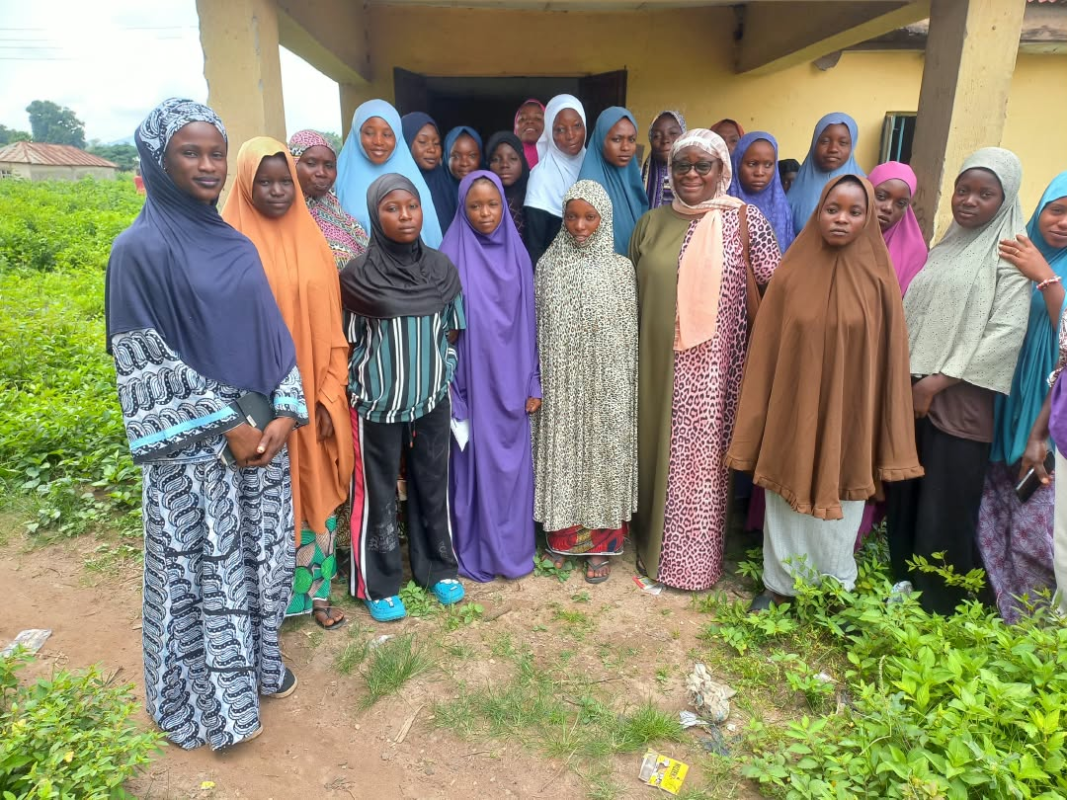
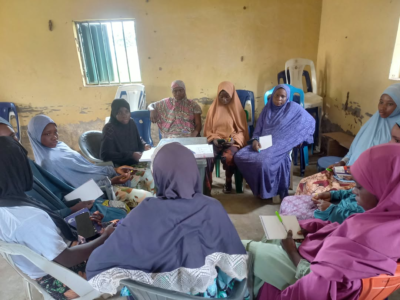
Under the Partnership and Local Rights Programme (P&LRP), CITAD and ActionAid Nigeria (AAN) established Girl Safe Spaces to give 150 adolescent girls a supportive, participatory platform to discuss the challenges affecting their education, health, protection and general well-being. The activity aims to strengthen girls’ confidence and self-esteem, promote peer support and leadership, and help them collectively identify practical solutions and appropriate sources of support.
 Approach
Sessions were rolled out between 10 and 19 September 2026, and co-facilitated by CITAD and AAN staff (Yesmin Salako, Kyauta Giwa, Usman Bashiru and Martha Yusuf). Each session followed a consistent, participatory format:
- An opening welcome song, in the local dialect where possible, to build rapport.
- An introduction to the Girl Safe Space concept.
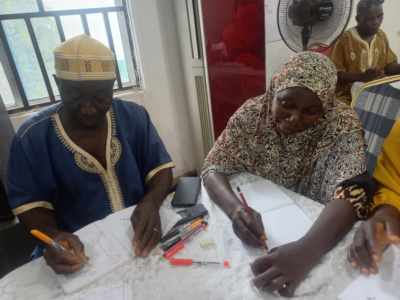
- Small-group discussions guided by two questions: what are the major issues affecting girls, and where do they go for support?
- Group presentations and a plenary discussion.
- Where conditions allowed, election of a girls’ leadership committee to sustain the space between visits.
Session summaries
Vine Heritage Home – 10 September 2026. First session of the roll-out. Yesmin Salako introduced the Girl Safe Space concept, and Kyauta Giwa encouraged the girls to express themselves freely. Split into two groups, the girls discussed the issues affecting them as girls and where they turn for help, and reported relief, positivity, and a reduced emotional burden after sharing. Issues raised: heavy household workload; abusive language from parents and peers; lack of adequate underwear and sanitary materials; poor diet; inadequate caregiving and rest; bullying by teachers; menstrual pain; stress-related body pain; poor menstrual hygiene; restricted freedom of movement compared with boys; and disrespect linked to physical stature. The girls elected Blessing Stevens (President), Helen Stevens (Vice President) and Ifeoluwa (Secretary), who resumed their roles immediately. The President thanked CITAD/AAN for the space and pledged to look after the well-being of every girl in the group.
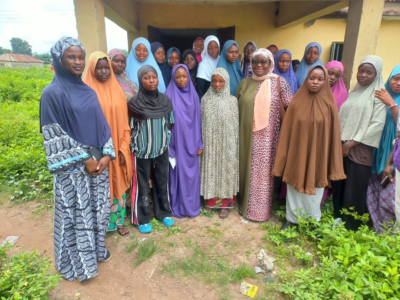
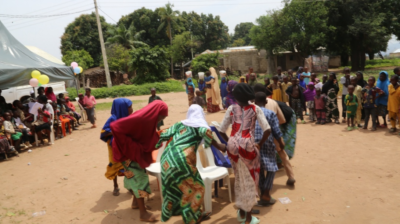
Tungan Nasara – 11 September 2026. The session opened with a welcome song in the Gbagyi dialect, with girls and facilitators singing and dancing together to create a relaxed atmosphere. Yesmin Salako and Kyauta Giwa introduced the initiative and its goals of building confidence, self-esteem, and peer support. In small groups, the girls identified: teenage pregnancy; school dropout; parental negligence; lack of funds for education; domestic violence; inadequate parental upbringing; non-functional or inaccessible schools; early child marriage; lack of skills-acquisition opportunities; bullying; limited access to quality education; and poor menstrual hygiene management with limited parental support. Sources of support identified were parents and guardians, trusted family members, teachers, government officials, community leaders, and programme facilitators. Hasiya Yakubu was elected facilitator of the safe space and announced that the girls will begin meeting every Sunday. The girls left expressing happiness and relief at being heard.
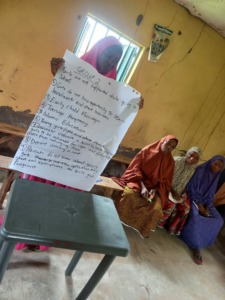 Leleyi Bassa – 16 September 2026. The session was held at the Primary School. Yesmin Salako and Kyauta Giwa introduced the concept and encouraged confidence, self-esteem, and leadership. Group discussions identified: the absence of a secondary school and resulting overcrowding; teacher absenteeism and poor commitment (including teachers reportedly taking pupils to farms instead of teaching); inadequate parental support that pushes some girls into menial farm work; lack of electricity affecting evening study; inadequate toilet facilities leading to open defecation and health risks; teenage pregnancy; and early marriage linked to bride-price incentives. Sources of support identified were parents and family, trusted peers, community leaders and government officials, including the Ministry of Education. The girls elected a full leadership team – Alheri (Leader), Esther (Vice), Hassana (Secretary), Kauna (Assistant Secretary) and Faith (Public Relations Officer) – who were sworn in, and agreed to meet monthly on Sundays at 1:00 p.m. at the Primary School. The community leader later expressed his appreciation for the setting up of the safe space.
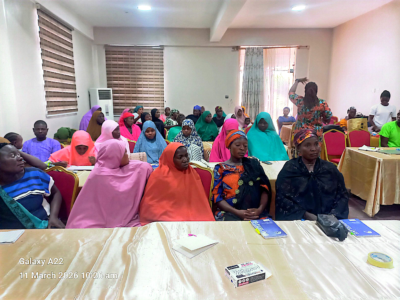
Leleyi Gwari. The girls formed the safe space, held group discussions and presented their findings (Figures 8 and 12). The session was disrupted midway by heavy rain, which forced the girls to run home before the discussion could be completed. It will need to be revisited so that the community benefits fully from the process.
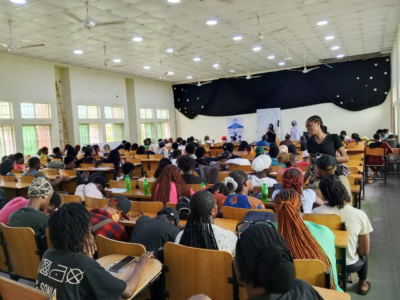
Kaida Tsoho. The safe space was established following the same introduction-and-group-discussion approach, and the girls reported relief after sharing. However, leadership disagreements and disrespect within the existing young girls’ group meant the structure could not be fully consolidated at the first visit. The CITAD/AAN team reconvened the following week in an expanded meeting with the girls, where Mrs Kyauta Giwa led a session on good leadership and respect and admonished them to live in peace and unity for the progress of their group and the community (Figures 13 and 14).
Recurring themes across communities
- Education: no secondary school in some communities, overcrowding, teacher absenteeism and bullying by teachers, school dropout, lack of funds for school fees, and non-functional or inaccessible schools.
- Health and hygiene: poor menstrual hygiene management, lack of sanitary materials and underwear, menstrual and stress-related pain, poor diet and rest, and inadequate toilet facilities leading to open defecation.
- Protection and well-being: domestic violence, abusive language, bullying, teenage pregnancy, early and child marriage, and restricted freedom of movement compared with boys.
Livelihoods and infrastructure: heavy household workload, menial farm work, lack of skills-acquisition opportunities, and lack of electricity affecting evening study.