

|
Getting your Trinity Audio player ready...
|
For women human rights defenders, journalists and civil society activists, visibility online is essential to their work but it can also expose them to harassment, account hacking, surveillance, doxxing, impersonation and technology-facilitated gender-based violence.
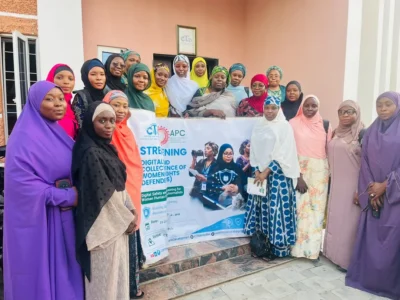
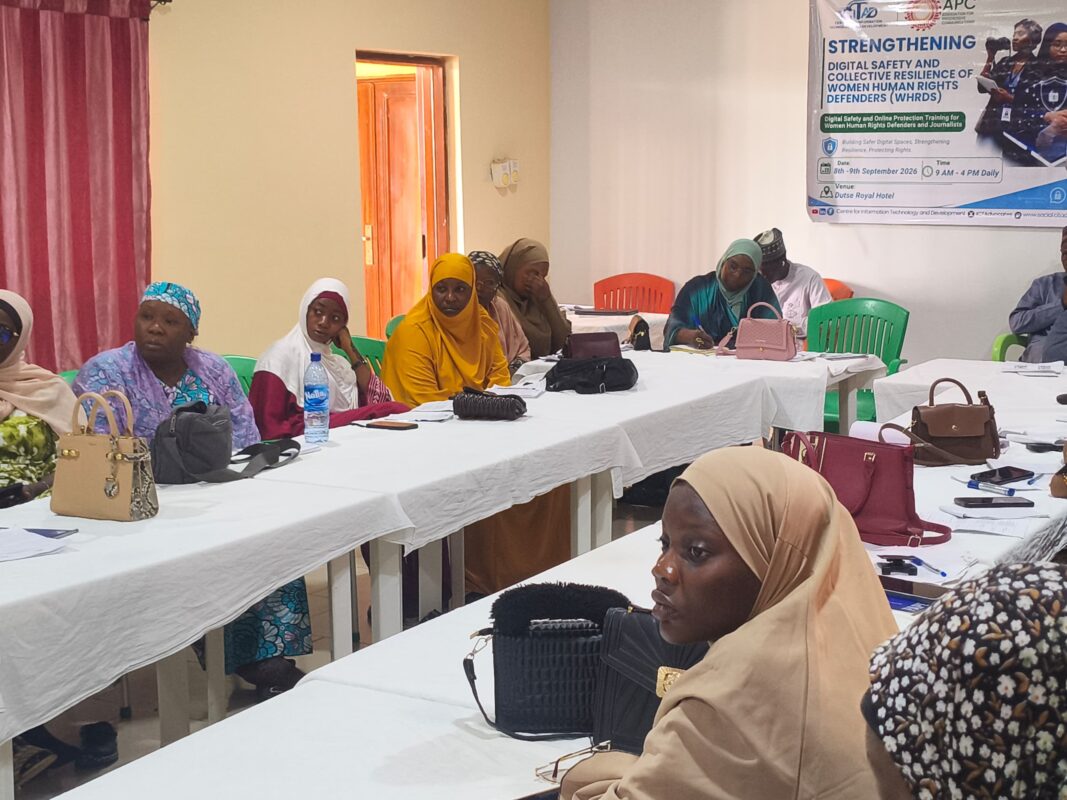
To help women navigate these risks, CITAD, with support from the Association for Progressive Communications (APC), trained 40 women human rights defenders from Bauchi and Jigawa States on digital safety and online protection.
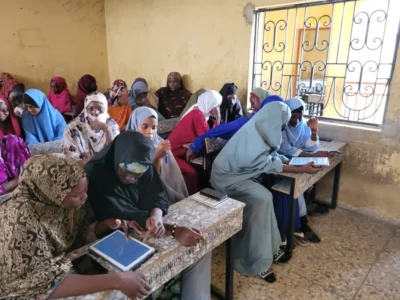
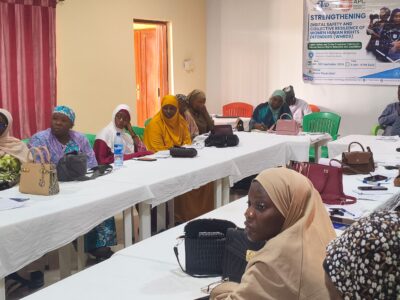
The two-day training, held on 8–9 September 2026 at Dutse Royal Hotel, Jigawa State, used practical demonstrations, real-life scenarios and hands-on exercises. Participants learned how to strengthen passwords, activate multi-factor authentication, protect devices and personal information, recognise phishing and scams, manage privacy settings and respond to online harassment.
The training also explored gendered digital attacks, including sexualised threats, doxxing, deepfakes, impersonation, coordinated mass reporting and reputational attacks. Participants practised documenting incidents, preserving digital evidence, recovering compromised accounts and mobilising support networks.
The training produced measurable results. Participants’ average knowledge score increased from 74% before the training to 83% afterwards, while confidence across seven digital safety skills rose from 3.1 to 4.2 out of 5. Understanding of multi-factor authentication more than doubled, while knowledge of responding to online harassment and preserving evidence rose to more than 85%.
Participants also developed individual Digital Safety Action Plans and worked through real-life cases involving hacked accounts, fraudulent job offers, financial exploitation and online reputational attacks.
The training received strong feedback, with 85% of participants saying they felt better prepared to protect themselves digitally and 85% agreeing that the practical exercises helped them apply what they learned.