|
Getting your Trinity Audio player ready...
|
The Centre for Information Technology and Development has raised the alarm over rising cases of data breaches and abuse of Nigerians’ personal information, calling for greater protection of citizens’ digital rights and online privacy.
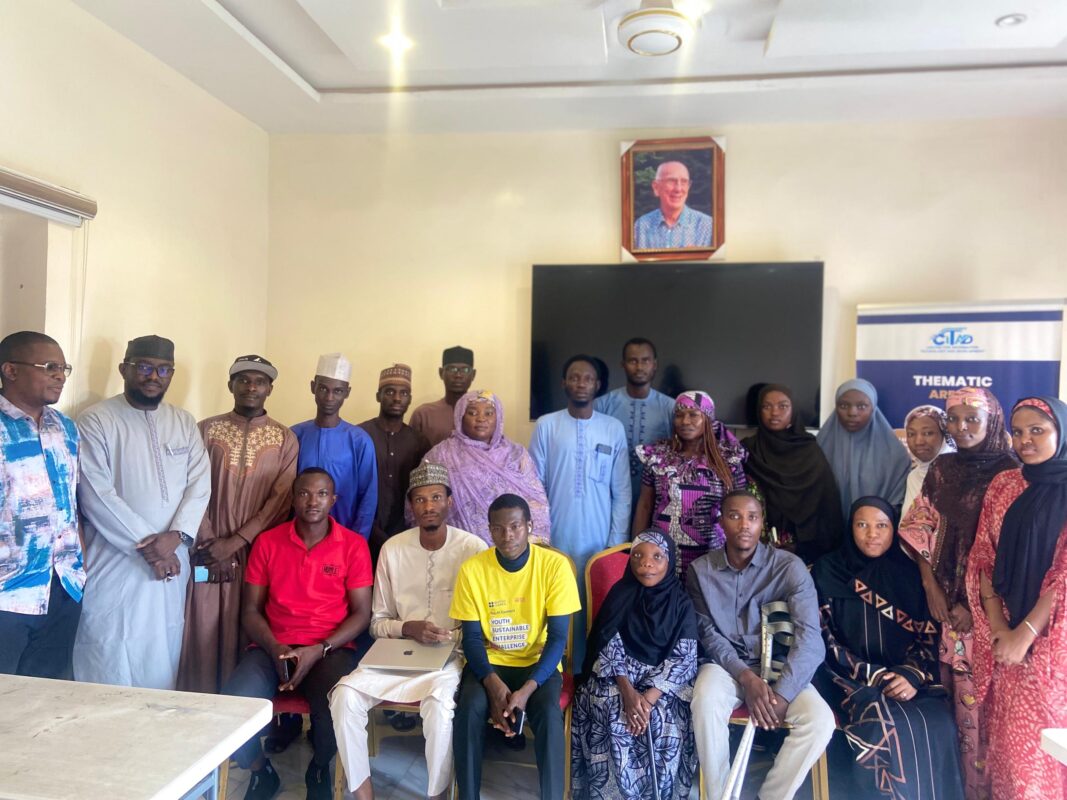
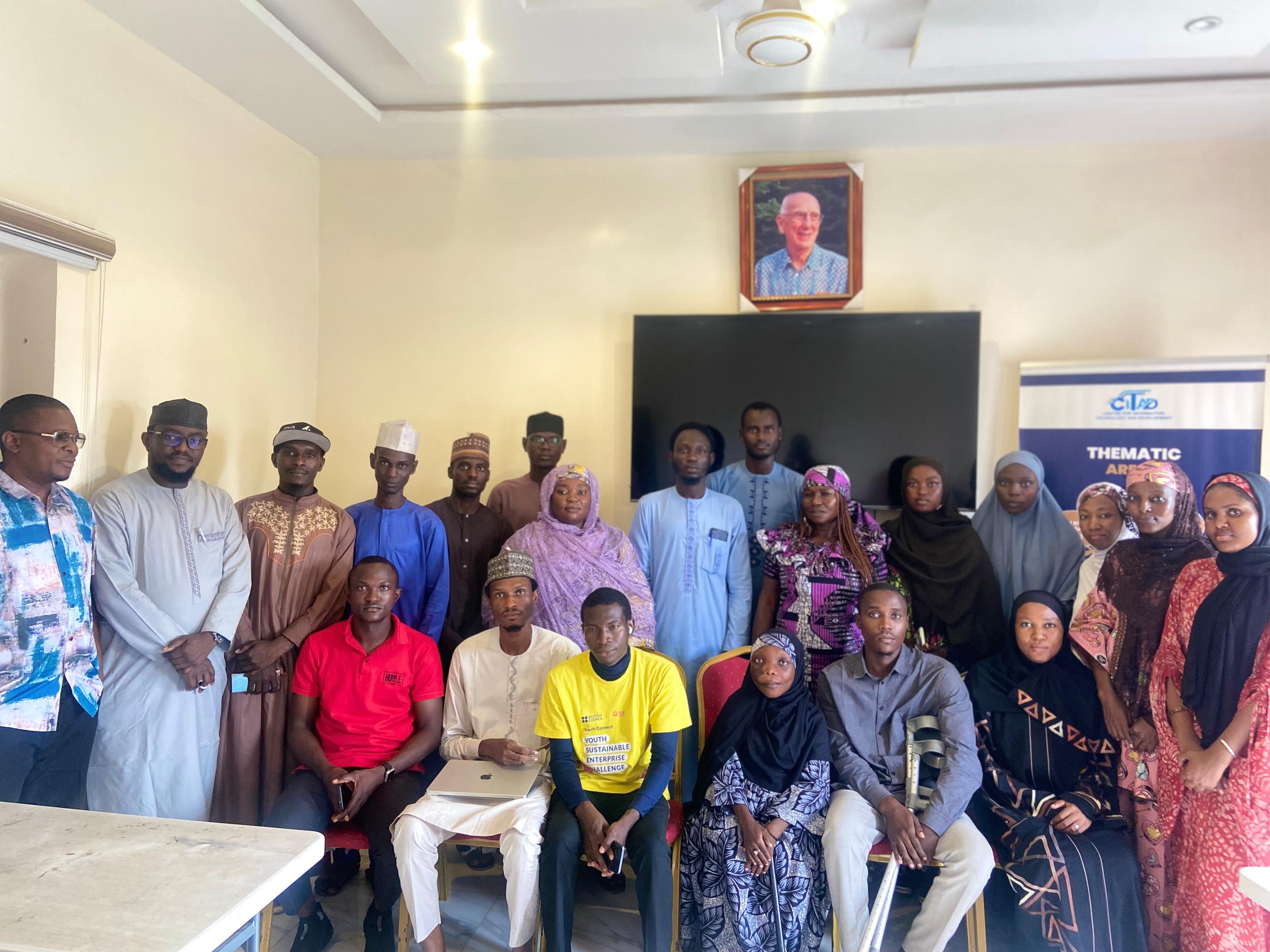
The centre made the call during a press briefing on data breaches and violations of digital rights held in Dutse, the Jigawa State capital, on Wednesday.
Speaking at the briefing, the dComms Project Lead of CITAD, Buhari Abba, said Nigerians were increasingly at risk of having their personal information exposed or misused.
Abba expressed concern over the unauthorised use of personal data and the growing concentration of power in the hands of a few technology companies.
He said Nigeria’s rapidly expanding digital economy had created huge opportunities in communication, commerce, education and civic participation.
According to him, the opportunities were being threatened by incidents in which sensitive personal and financial information was exposed and commercialised.
Abba listed such information as National Identification Numbers, Bank Verification Numbers, account details and other personal records.
He noted that such data could be exposed by financial institutions, online merchants, government agencies, individuals and malicious actors.
The dComms Project Lead also expressed concern over the dominance of a few Big Tech companies in the global digital space.
He explained that such dominance had created an ecosystem in which users had limited control over their data and online interactions.
Accordingly, Abba said major platforms such as Facebook, Instagram and X had become powerful gatekeepers of information and digital interaction.
He added that their enormous influence, opaque algorithms, data-driven business models and centralised control raised serious concerns about competition, consumer protection, privacy, freedom of expression and other fundamental digital rights.
Abba said the business models of many mainstream social media platforms depended heavily on the collection and monetisation of users’ data.
He, however, said it had become important for Nigerians to understand their digital rights and explore platforms that offered greater control and privacy.
“It is against this background that CITAD, with support from the Association for Progressive Communications, is promoting dComms,” he said.
The project lead described dComms as a decentralised and privacy-focused social platform that provides an alternative to mainstream social media.
He said dComms was built around the principles of decentralisation, user control, privacy and digital freedom.
According to him, unlike conventional platforms where a single company controls the infrastructure and users’ data, dComms gives greater control to communities and users.
“dComms is also connected to the wider Fediverse, allowing decentralised platforms to interact while reducing dependence on a single tech company,” Abba added.
He said dComms was part of CITAD’s broader efforts to promote open-source technologies and user-centred digital spaces.
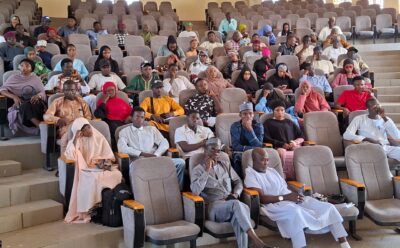
Abba further disclosed that CITAD had taken dComms and digital rights awareness to universities, colleges and polytechnics across Kano, Kaduna, Jigawa and Bauchi states.
He added that “the Centre has also sustained public awareness through radio programmes on digital rights, online privacy and responsible use of technology.”
“CITAD’s objective is not just to introduce another social media platform, but to expand choices available to Nigerians,” he said.
He therefore called on government institutions, technology companies, civil society organisations and citizens to support a digital ecosystem that placed privacy, transparency and users’ rights at its centre.
Abba encouraged interested students, institutions and members of the public to learn more about dComms and create an account through social.citad.org.ng.