

|
Getting your Trinity Audio player ready...
|
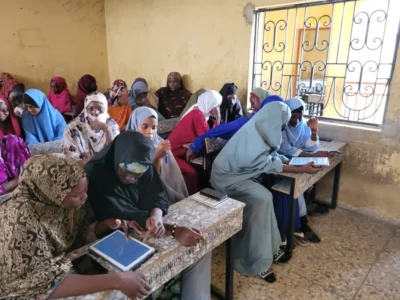
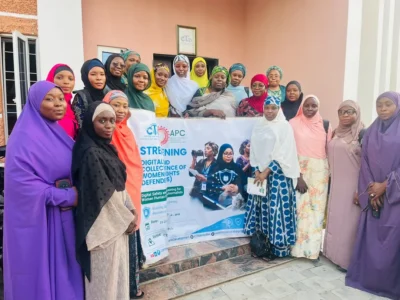
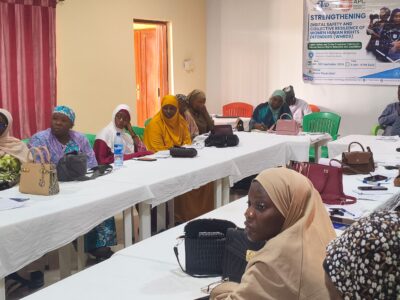
The Centre for Information Technology and Development (CITAD) has trained 848 women and girls in Kano and Bauchi states on digital literacy, online safety and digital hygiene as part of efforts to bridge the gender digital divide in Northern Nigeria.
The two-day training was organised under CITAD’s ongoing two-year Addressing the Gender Digital Divide and Expanding Business Opportunities for Women in Northern Nigeria (Agenda-WINNIG) project, supported by CARE under the SheConnects Digital Accelerator.

The training covered 10 Local Government Areas and locations across the two states, with 480 participants from Kano State and 368 from Bauchi State.
In Kano, 59 women and girls participated in the training in Tofa, 72 in Bebeji, 47 in Warawa, 62 in Wudil, 175 in Kura and 65 in Garko local government areas.
In Bauchi, 103 participants were trained in Itas, 108 in Jama’are, 100 in Warji, while 55 participated in Kafin Madaki in Ganjuwa Local Government Areas.
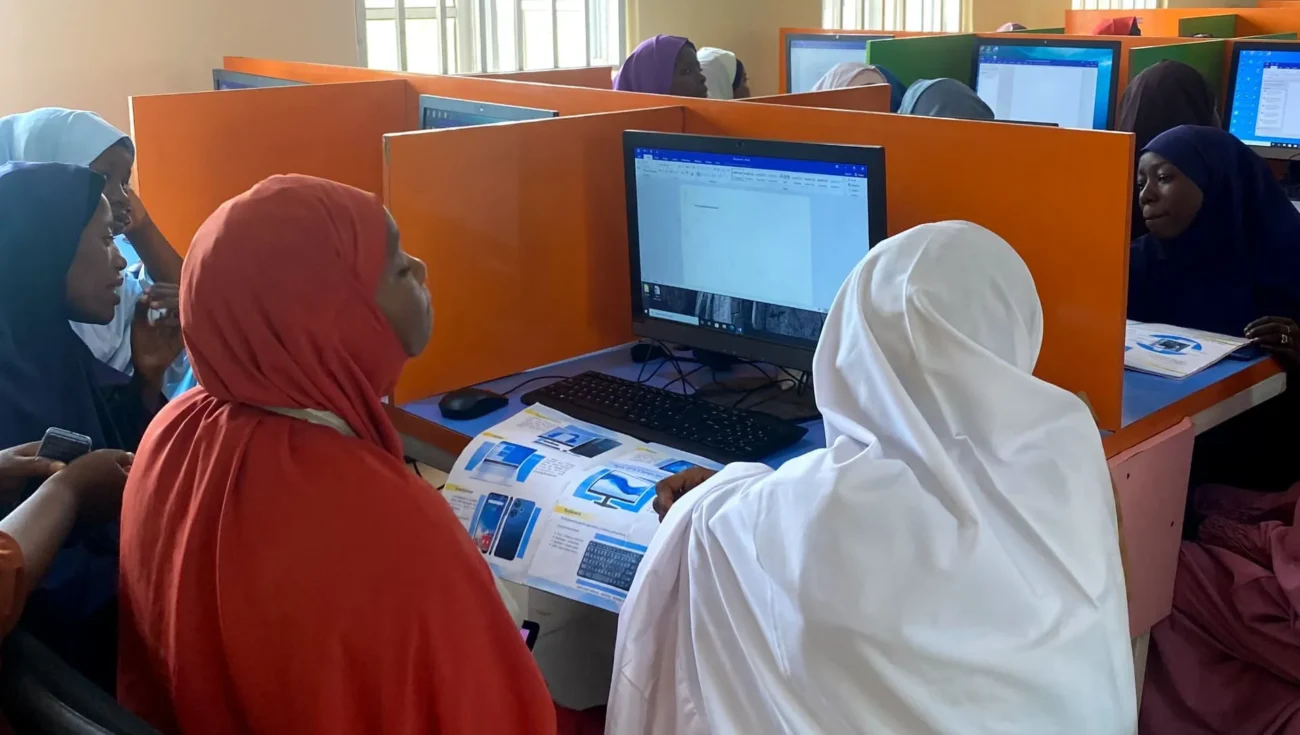
CITAD said the training was designed to provide women and girls with practical digital skills using smartphones, enhance their confidence in using digital technology and promote safer participation in the digital economy.

The participants were trained on basic basic digital skills and practical ways of using their devices for communication, accessing information, learning and other productive activities.

They were also introduced to online safety practices, including how to identify scams, recognise common tactics used by online fraudsters, protect personal information and make safer decisions when sharing information online.
Speaking on the impact of the programme, Balaraba Ibrahim, a participant from Garko Local Government Area, said the training improved her understanding of smartphone use and online safety.
“I have learnt how to use my smartphone better and how to protect my personal information when using the internet. I am grateful to CITAD for giving us this opportunity,” she said.
Another participant, Aisha Abdullahi from Kura Local Government Area, said the training had increased her confidence in using digital tools.
“Before this training, I was not comfortable using some digital tools on my phone. Now I understand the basics and, importantly, I know how to identify suspicious activities and scams online,” she said.
Nafisa Auwal from Bebeji Local Government Area said the training had exposed her to useful knowledge about digital technology and online safety.

“I learnt how to use digital platforms more safely with my smartphone and how to protect my information. This training is important because many women need these skills to benefit from the digital world,” she said.
Sadiya Murtala from Wudil Local Government Area also commended the initiative, saying it taught her the importance of protecting personal information online.
“I have learnt that I should not share my personal information carelessly online. I also learnt how scammers operate and how to avoid falling victim to online scams,” she said.
The participants called on CITAD and its partners to sustain the initiative and extend similar training opportunities to more women and girls, particularly those with limited access to digital education.
CITAD said the Agenda-WINNIG project is aimed at strengthening women’s digital capacity and creating pathways for improved economic opportunities in Kano and Bauchi states.
The organisation said the project would continue to provide women and girls with relevant digital knowledge and skills to enable them to use devices especially smartphones and other digital technologies safely, confidently and productively.
CITAD added that improving women’s access to digital skills was essential to addressing the gender digital divide and ensuring that women were not left behind as digital technologies increasingly influence education, communication, employment and business.

The latest training is part of the activities being implemented under the Agenda-WINNIG project to promote safer, more inclusive and productive participation in the digital space across Northern Niger