
|
Getting your Trinity Audio player ready...
|
Venue:Azare, Katagum Zone, Bauchi State
Date: 14 April 2026
Time: 10:00 AM – 2:00 PM
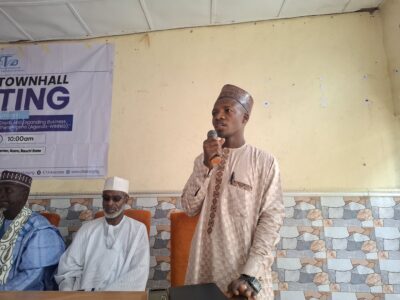
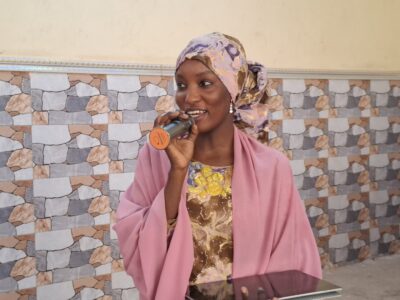
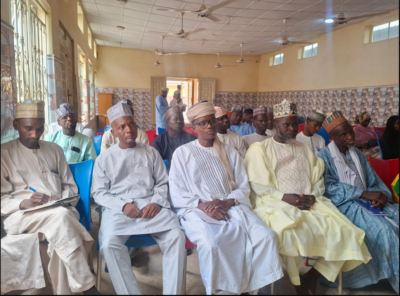
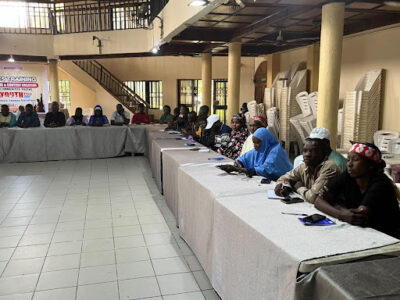
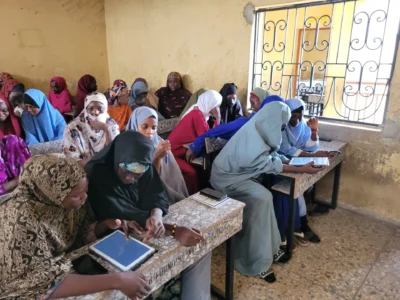
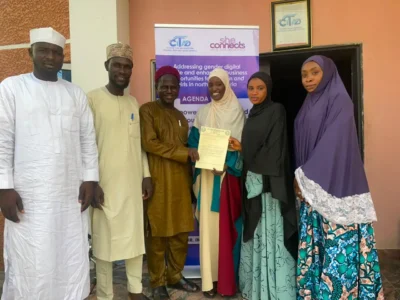
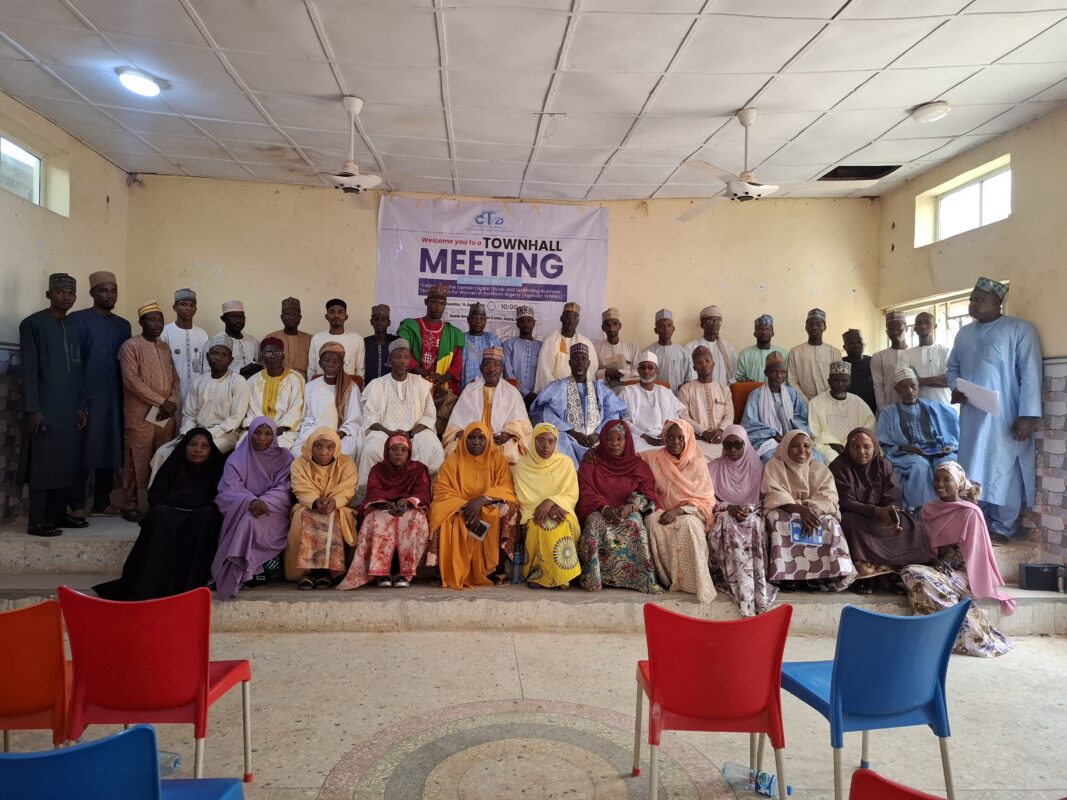
The Centre for Information Technology and Development (CITAD) under the project Addressing Gender Digital Divide and Expanding bussiness Opportunities for Women and Girls in Northern Nigeria (AGENDA-WINNIG Project), convened a town hall meeting in Azare, Bauchi State, to engage key stakeholders on advancing digital inclusion, safer online practices, and economic empowerment for women and girls.
The meeting brought together government officials, education stakeholders, community and religious leaders, civil society organizations (CSOs), community-based organizations (CBOs), and women representatives.
The session provided a platform to discuss barriers contributing to the gender digital divide, share community perspectives, and identify partnership opportunities to expand women’s access to digital skills and economic opportunities.
The event commenced with participant registration and in
formal interactions, followed by an opening prayer. Participants introduced themselves, establishing a participatory and inclusive environment for dialogue.
Community leaders and stakeholders expressed appreciation for CITA
D’s intervention in the region. They acknowledged the relevance of the AGENDA-WINNIG Project in addressing digital exclusion and improving access to economic opportunities for women and girls.
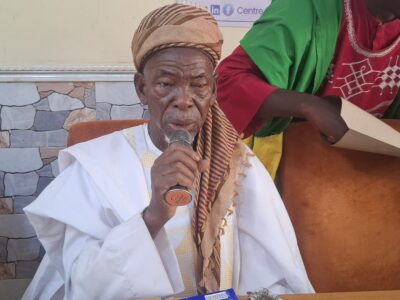
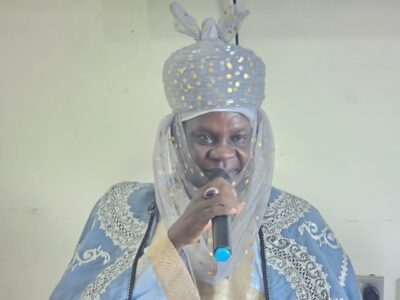
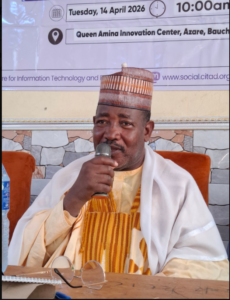 The Sarkin Azare, Engr. (Alh.) Abdulkadir, emphasized the need for stronger institutional presence, calling on CITAD to consider establishing an office in Azare to enhance sustainability and local impact. He also highlighted the potential for collaboration with local groups such as the Katagum Online Vendors Association to strengthen digital entrepreneurship, particularly for women.
He further noted the collapse of a previous ICT center in Azare due to weak sustainability structures, stressing the importance of long-term commitment in project implementation.
AGENDA-WINNIG Project Overview
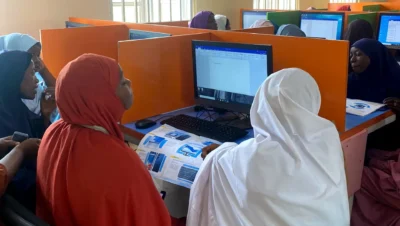
The project aims to bridge the gender digital divide by addressing barriers such as limited digital literacy, cultural restrictions, economic constraints, and online safety concerns.
Key components of the project include: Training and Capacity Building: Digital literacy, online safety, and entrepreneurship skills, Advocacy and Awareness: Community engagement, parental sensitization, and behavioral change communication and Stakeholder Collaboration: Partnerships with government, community leaders, and civil society for sustainability
Stakeholder Perspectives
Education Sector
The Principal of GGDSS Tsakuwa highlighted students’ growing interest in digital skills, particularly online business and career development. He emphasized that such training would equip students especially girls with practical skills for income generation and self-reliance.
The Education Secretary, Giade LGA, raised concerns about stagnation in the education sector and called for integration of digital literacy into formal curricula. He also emphasized the need for sustained advocacy and government collaboration.
Community and Religious Leaders
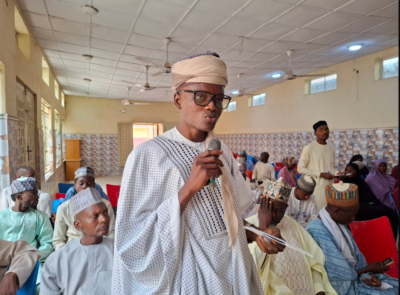 Religious leaders, including the Chief Imam of Jama’are and other Islamic scholars, stressed the importance of combining digital skills with moral discipline (Taqwa). They encouraged families to support women and girls in acquiring digital knowledge while ensuring responsible usage.
They also emphasized the role of parents, teachers, and community leaders in shaping responsible digital behavior and promoting awareness.
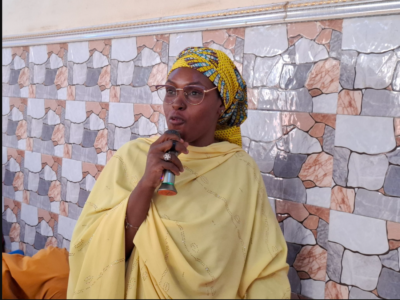
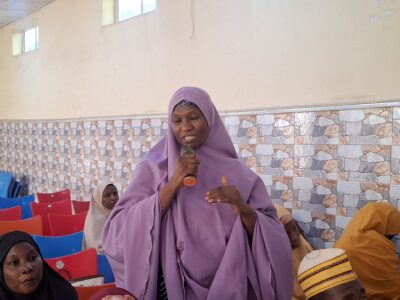
Gender and Social Perspectives; Stakeholders highlighted significant gender gaps in access to digital opportunities. Azumi Abba noted that women often participate less in training and online economic activities compared to men, calling for increased encouragement and targeted interventions. Another contributor, Mrs. Azumi Abba (Itas), emphasized structural barriers faced by women, including: Restrictions from spouses, Limited control over income generated and Socio-cultural limitations affecting participation. These constraints were identified as critical factors limiting women’s empowerment.
Youth and Community Observations
Participants raised concerns about misuse of digital platforms, including exposure to harmful content and online misconduct. Aliyu Muhammad emphasized the need for stronger awareness programs and guidance for young people, particularly girls, to promote productive and responsible internet use.
Stakeholders also highlighted the importance of parental monitoring tools and digital discipline.
Partnership and Community Recommendations
Stakeholders proposed several actionable pathways: Establish ICT centers within communities to improve access, Strengthen partnerships with local associations (e.g., online vendors’ groups), Expand awareness campaigns targeting parents and youth, Promote responsible internet use and digital ethics, Encourage government integration of digital literacy into school curricula and Develop sustainable community-based structures for ICT initiatives.
Challenges and Observations
Key challenges identified include: Limited ICT infrastructure and failed past initiatives, Cultural and parental restrictions on women’s participation, Weak monitoring of digital usage among youth, Limited awareness on safe and productive internet use and Gender disparities in participation and access
These issues shows the need for sustained intervention combining training, awareness, and institutional support.
Participant Reflections
Participants expressed strong appreciation for CITAD’s intervention, noting that the AGENDA-WINNIG Project presents a critical opportunity for community development.
They emphasized the importance of collective responsibility in ensuring the success of the initiative, particularly in empowering women and girls across Bauchi State and beyond.
Conclusion
The town hall meeting provided a strategic platform for inclusive dialogue, reinforcing the importance of multi-stakeholder collaboration in addressing the gender digital divide.
Stakeholders reaffirmed their commitment to supporting the AGENDA-WINNIG Project and called for sustained engagement, improved infrastructure, and stronger policy integration to ensure long-term impact.