
|
Getting your Trinity Audio player ready...
|
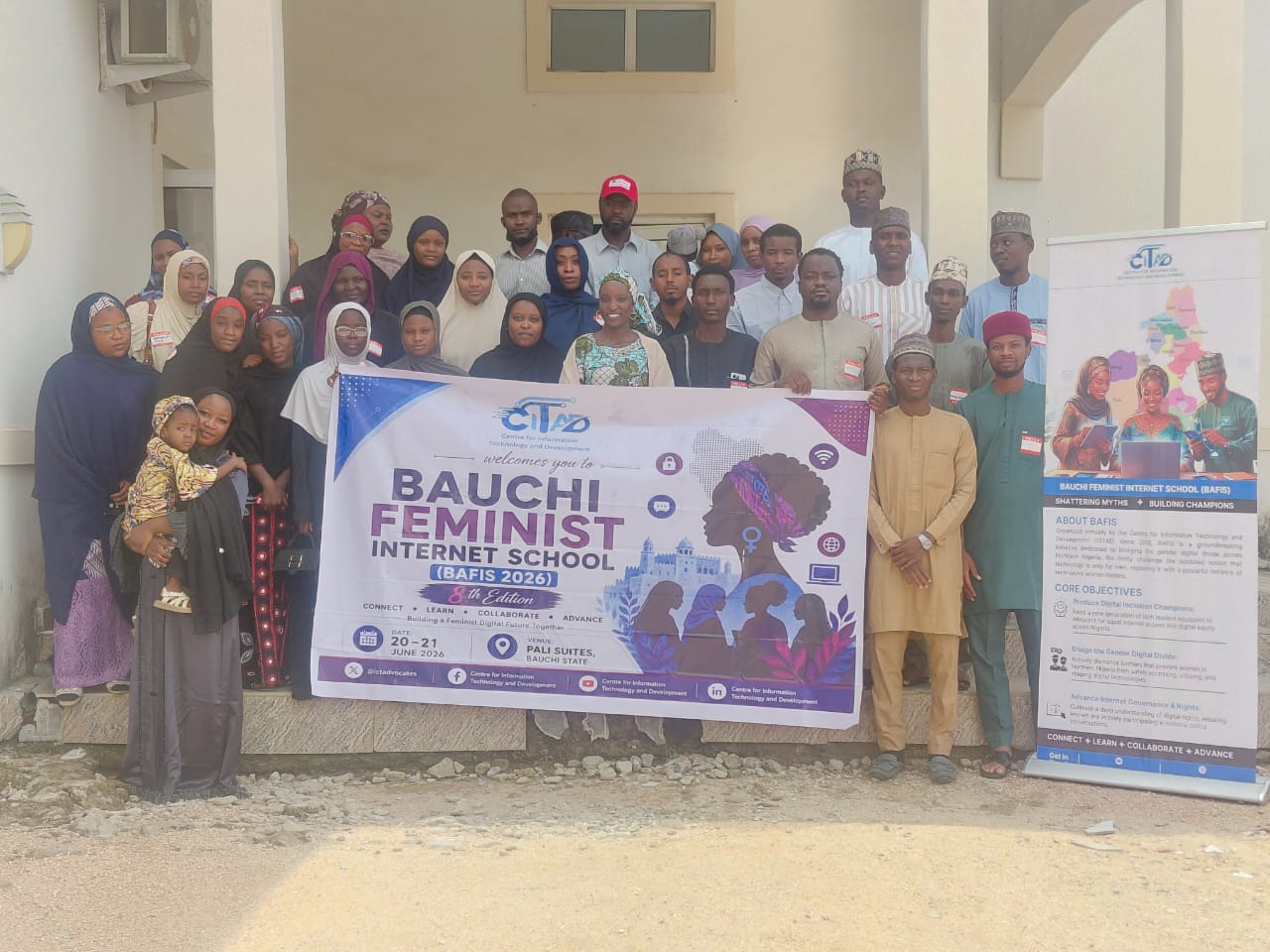
Date: 20th – 21st June, 2026
Venue: Pali Resort and Suites, Bauchi State
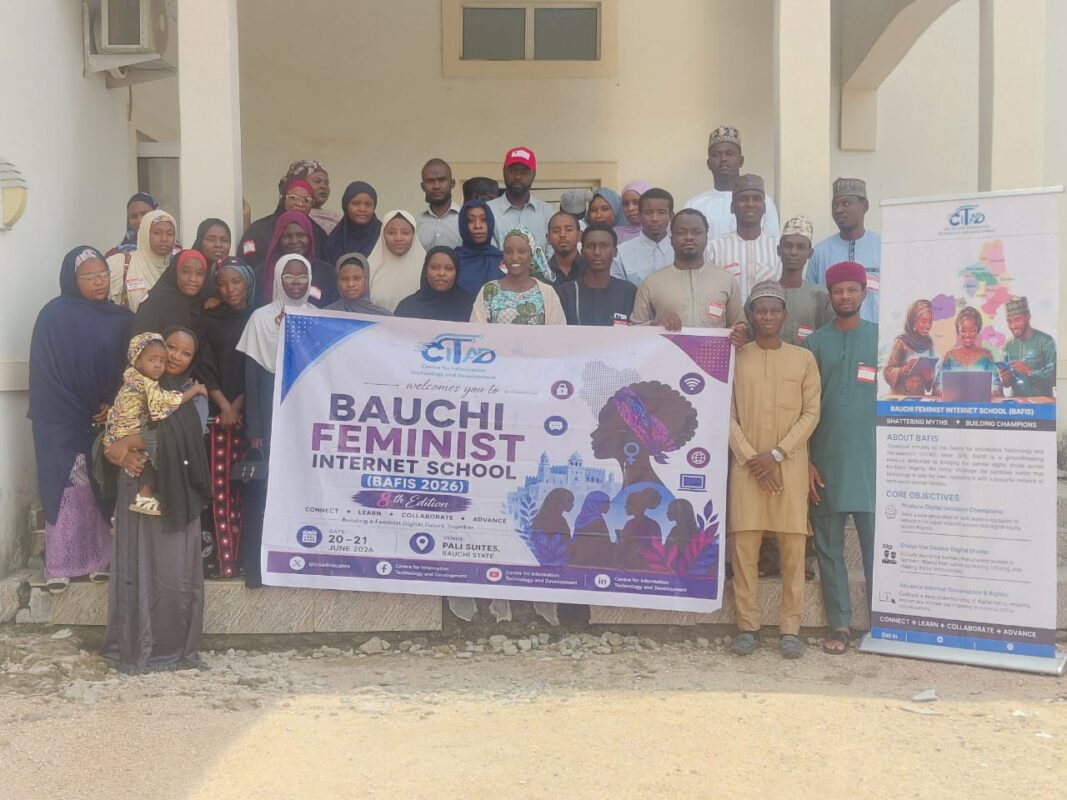
The Centre for Information Technology and Development (CITAD) organized the 8th edition of the Bauchi Feminist Internet School (BaFIS) from 20th to 21st June 2026 in Bauchi State. The training brought together women, young leaders, civil society actors, students, and digital rights advocates to strengthen their knowledge of digital rights, online safety, digital inclusion, and feminist approaches to internet governance.
As digital technologies continue to shape different aspects of everyday life, including education, business, governance, and civic participation, the school provided a platform for participants to understand both the opportunities and challenges associated with digital transformation, particularly for women and other marginalized groups.
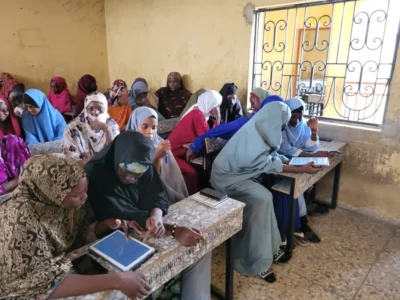
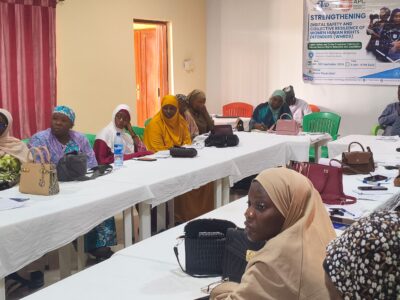
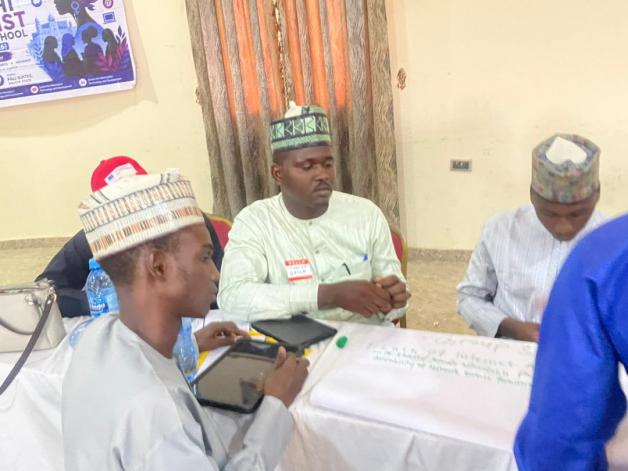
The two-day programme combined presentations, practical demonstrations, group discussions, interactive activities, and group work to ensure participants were actively engaged throughout the sessions.
The training aimed to Improve participants’ understanding of digital rights and online safety, Increase awareness of digital inclusion and feminist internet principles, Build participants’ knowledge of emerging technologies, particularly Artificial Intelligence (AI), Strengthen participants’ confidence to engage safely and effectively in digital spaces. Equip participants with practical advocacy skills to promote digital inclusion within their communities.
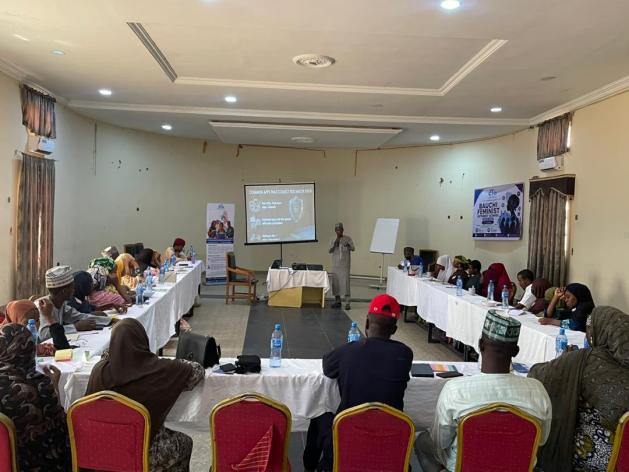
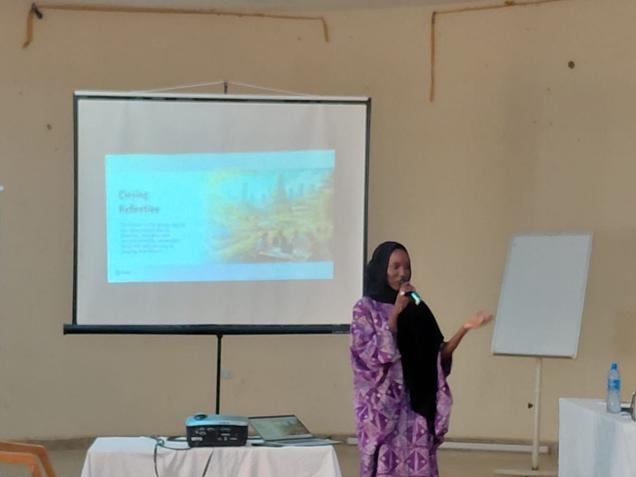
The training commenced with opening remarks, participant introductions, and an overview of the objectives of the Bauchi Feminist Internet School. A pre-training assessment was conducted to gauge participants’ existing knowledge and expectations before the technical sessions began.
The first technical session focused on internet safety and security, where participants learned practical ways of protecting themselves online through stronger passwords, safe browsing practices, identifying phishing attempts, and understanding common cyber threats. Discussions also explored online censorship and technology-facilitated gender-based violence, with participants sharing personal experiences of online harassment and reflecting on strategies for protecting themselves while continuing to use digital platforms for advocacy.
The session on Digital Technology at the Intersection of Gender and Environment encouraged participants to reflect on how digital transformation can both address and reinforce existing inequalities if issues of gender and environmental sustainability are not intentionally considered during technology development and implementation.
Participants were subsequently introduced to the concepts of digital rights, data protection, and digital citizenship. Facilitators discussed the rights individuals enjoy online, including privacy, freedom of expression, and access to information, while also emphasizing the responsibilities that accompany digital participation. Practical guidance was provided on protecting personal data and adopting responsible online behaviour.
Discussions on digital exclusion examined the various barriers preventing many Nigerians from fully participating in the digital economy. Participants identified poor internet connectivity, affordability of devices and data, inadequate digital skills, language barriers, and social inequalities as major factors contributing to digital exclusion. The session on the digital marginalization of persons with disabilities further highlighted the need for accessible digital infrastructure, inclusive digital services, and stronger implementation of disability-inclusive policies.
One of the most engaging sessions focused on Emerging Technologies and Artificial Intelligence (AI). Participants discussed the growing influence of AI across sectors including education, agriculture, healthcare, finance, and governance. Through practical examples, facilitators demonstrated how AI is already shaping everyday decision-making, from online searches to financial services and digital communication.
The discussions extended beyond understanding AI to examining its relevance within the Nigerian context. Participants observed that many of the technologies currently used in Africa are developed outside the continent, limiting opportunities to address local challenges through context-specific innovation. They emphasized the need for greater investment in locally developed technologies and stronger support for young innovators capable of building solutions that respond to Nigeria’s realities.
Participants also raised concerns around accountability and transparency in AI systems. Discussions highlighted the importance of verifying AI-generated information, noting that while AI can support learning and decision-making, it should not replace critical thinking or independent verification of information. Participants reflected on how the increasing use of AI is changing learning patterns, with many students relying on AI-powered tools instead of conventional research methods, reinforcing the need for responsible and ethical use of emerging technologies.
The session equally explored how AI can contribute positively to sectors such as agriculture, healthcare, language translation, and public service delivery if developed inclusively and supported through appropriate policies and investment.
Another interactive session focused on building confidence in digital spaces, where participants reflected on the factors that discourage many women from expressing themselves online. Discussions centred on overcoming fear of criticism, addressing online harassment, strengthening digital presence, and using online platforms more effectively for advocacy and community engagement.
On the second day, participants explored the Feminist Principles of the Internet, digital rights advocacy, and strategies for influencing policy. Facilitators emphasized that achieving an inclusive digital society requires collaboration between government, civil society, the private sector, academia, and communities.
Group Work
To reinforce the learning from the technical sessions, participants were divided into five groups and assigned a practical advocacy exercise. Each group was tasked with developing an advocacy plan outlining practical measures for engaging policymakers on digital inclusion while identifying the key stakeholders required to support their advocacy efforts.
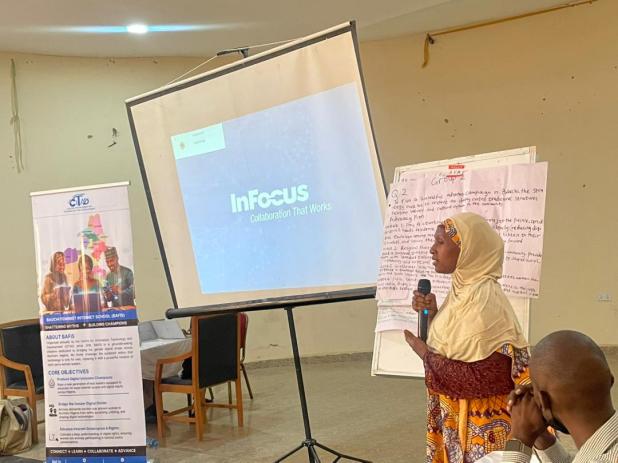
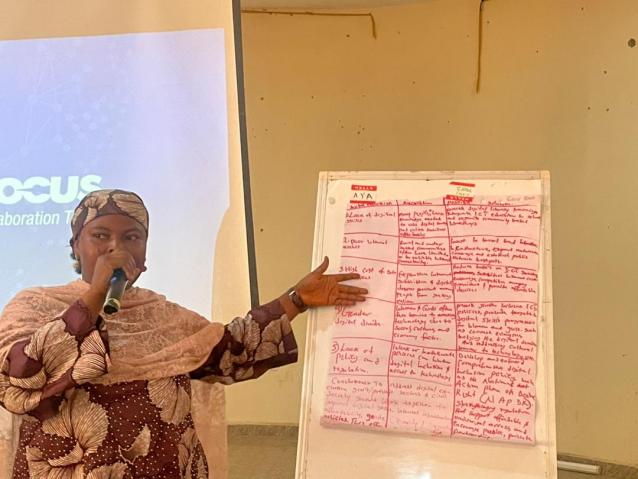
The exercise generated rich discussions as participants drew from their own community experiences to develop realistic advocacy strategies. Across the presentations, groups identified government ministries and agencies, legislators, traditional and religious leaders, educational institutions, civil society organizations, media organizations, technology companies, and community leaders as critical stakeholders for promoting inclusive digital policies.
Participants proposed a variety of advocacy approaches, including policy dialogues, community sensitization campaigns, stakeholder consultations, digital literacy programmes, media engagement, and evidence-based advocacy. Some groups highlighted the need for increased investment in local technology innovation, while others emphasized expanding digital literacy programmes, strengthening implementation of data protection regulations, and promoting greater inclusion of women, young people, and persons with disabilities in digital policymaking processes.
The exercise demonstrated participants’ ability to translate concepts discussed during the training into practical advocacy initiatives that could be implemented within their communities.
Key Outcomes
By the end of the training:
- Participants demonstrated a stronger understanding of digital rights, online safety, data protection, and digital citizenship.
- Participants gained increased awareness of the opportunities and risks associated with Artificial Intelligence and other emerging technologies.
- Participants recognized the importance of promoting locally developed technologies capable of addressing Nigeria’s development challenges.
- The training strengthened participants’ understanding of inclusive digital policies and the need to ensure that women and persons with disabilities are not left behind in digital transformation efforts.
- Participants developed practical advocacy ideas and action plans for promoting digital inclusion within their communities.
Conclusion
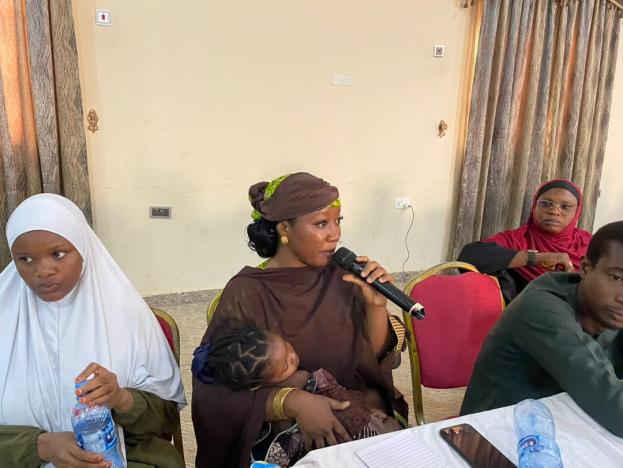
The 8th Bauchi Feminist Internet School provided an important platform for participants to deepen their understanding of digital rights, emerging technologies, digital inclusion, and feminist internet governance. More importantly, the interactive nature of the training enabled participants to move beyond theory by critically examining the realities within their communities and proposing practical actions for addressing them.
The advocacy exercise and action planning sessions demonstrated participants’ commitment to applying the knowledge gained beyond the training. Going forward, the implementation of these commitments through community engagements, policy dialogues, and step-down trainings will contribute to advancing a more inclusive, safe, and rights-based digital ecosystem in Nigeria.
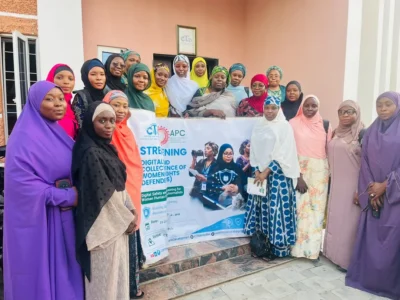
Group Photographs