

|
Getting your Trinity Audio player ready...
|
Project: Agenda Winnig Project
Activity: International Girls in ICT Day – Bauchi
Introduction
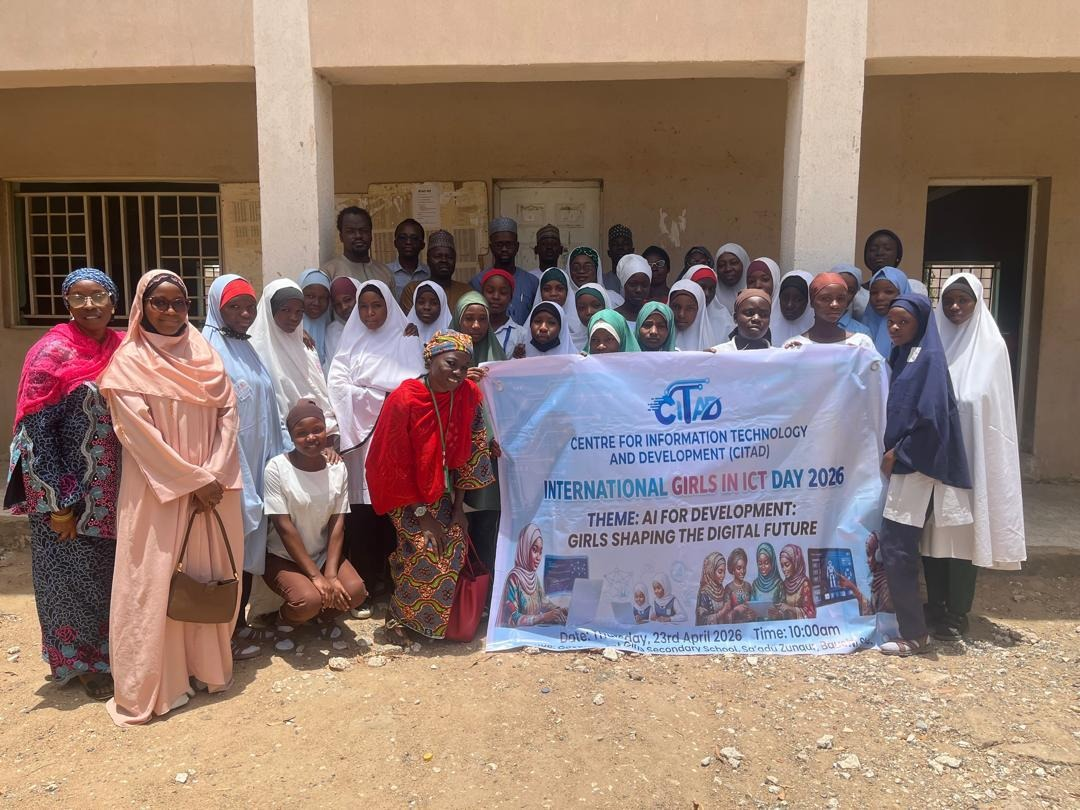
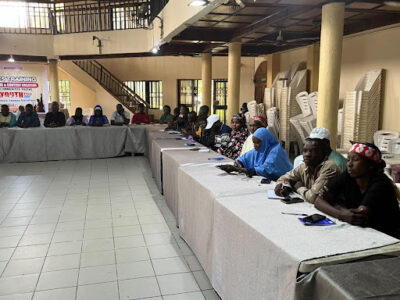
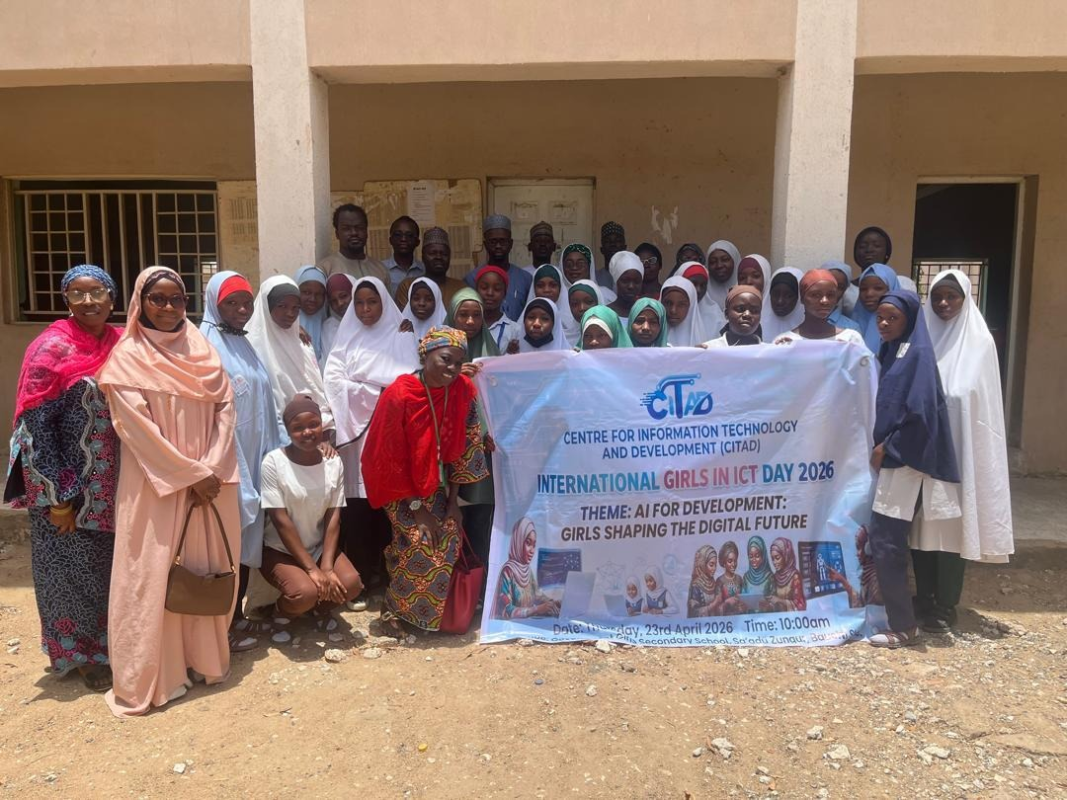
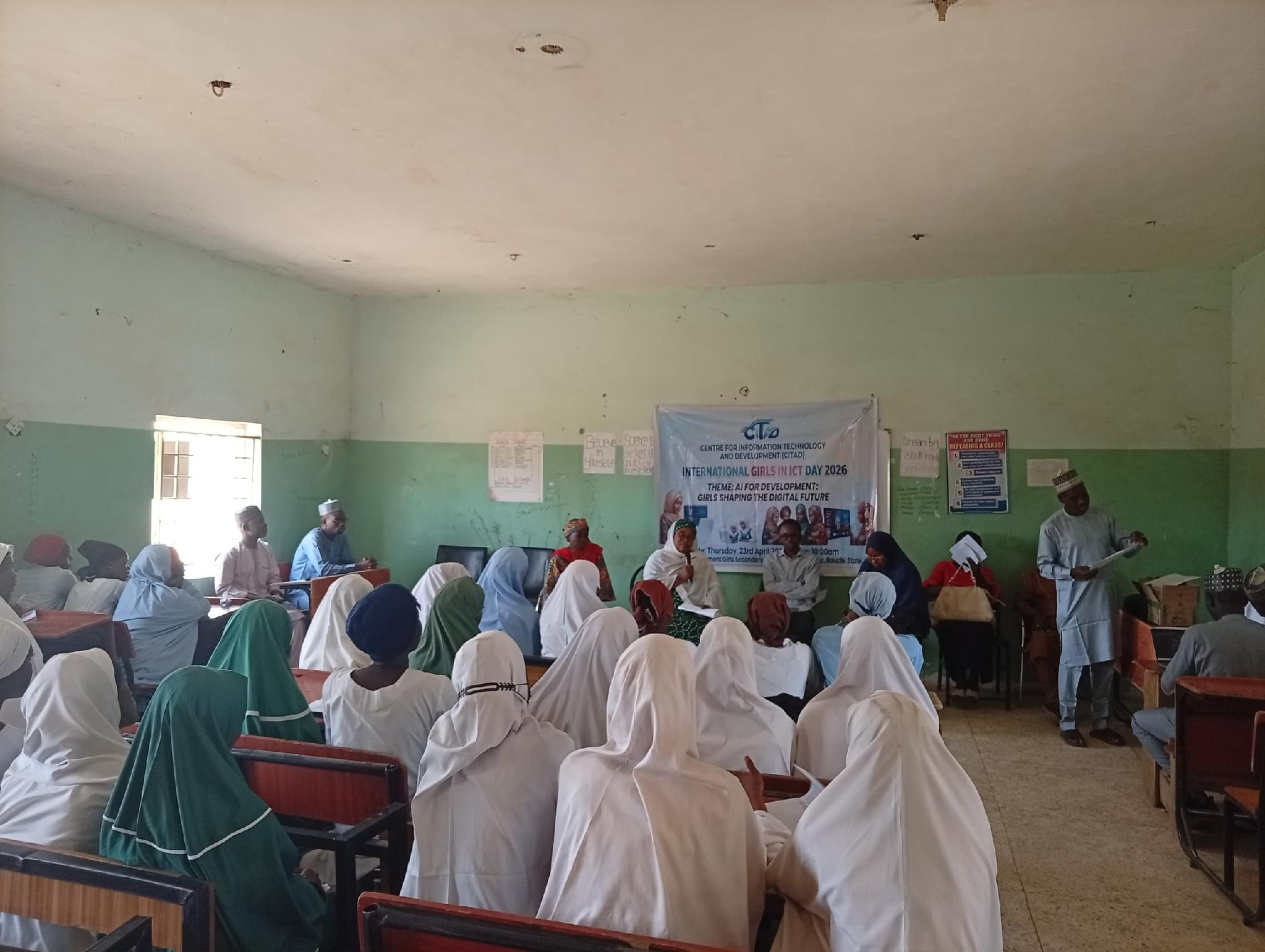
The International Girls in ICT Day event was conducted under the Agenda Winnig Project, an initiative of the Centre for Information Technology and Development (CITAD) aimed at promoting digital inclusion and expanding opportunities for women and girls, particularly in underserved communities. The programme was held in Bauchi on the 23rd, April 2026, commencing at 9:00 AM and concluding at approximately 2:00 PM. The activity brought together students, teachers, ICT professionals, and key stakeholders to engage in discussions, learning sessions, and mentorship opportunities focused on digital literacy, online safety, and pathways for girls’ participation in the digital economy.
Overview
The International Girls in ICT Day event recorded significant progress in advancing digital inclusion among young girls in Bauchi State. A total of 40 participants (students and accompanying teachers) directly benefited from the activity, with additional engagement from panelists and facilitators.
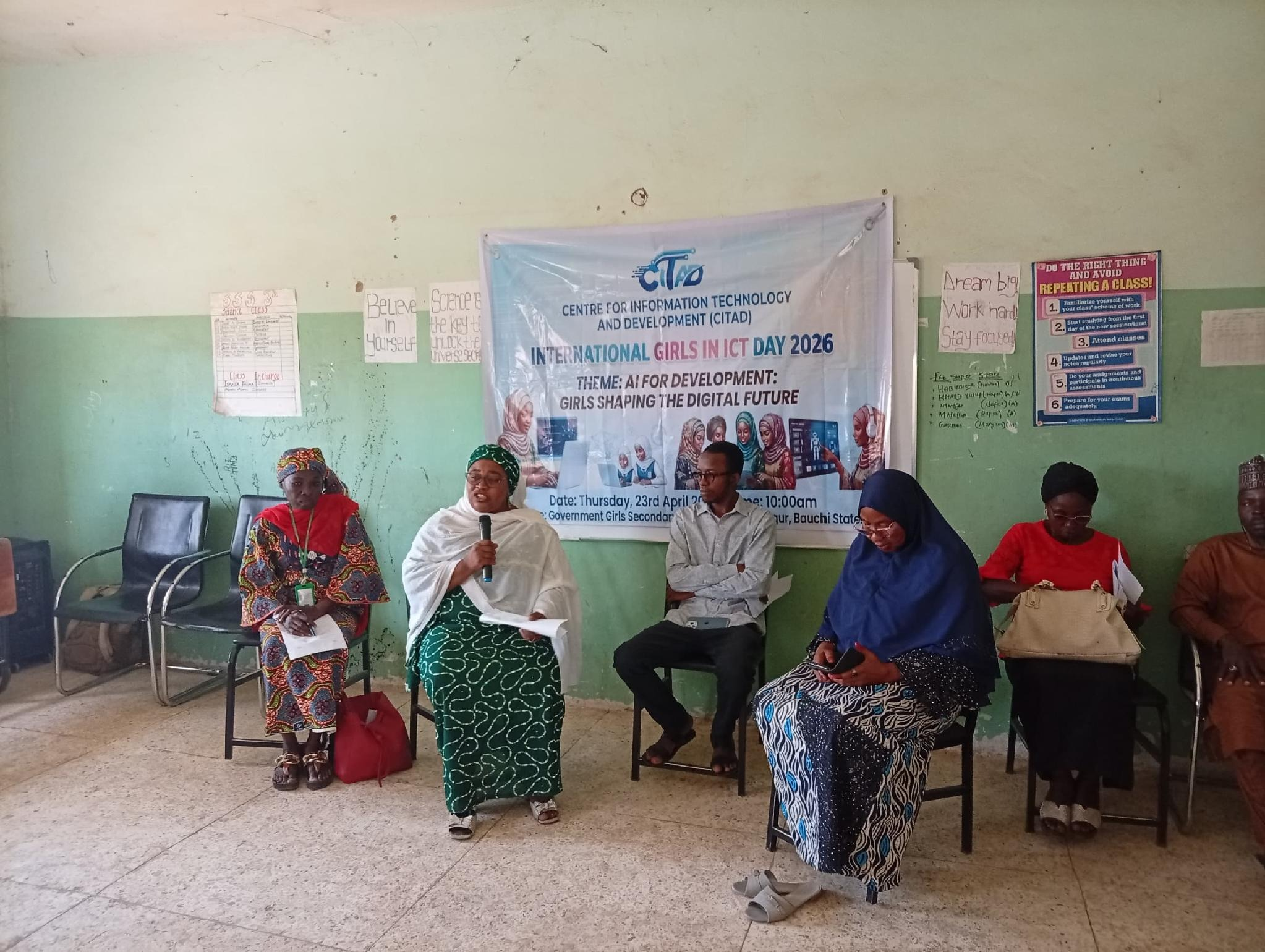
The programme successfully increased awareness on digital literacy and online safety, while also stimulating interest in ICT career pathways, and bridging gender digital divides. Participants actively engaged during sessions, raising practical questions such as “What is the first step to take in pursuing a career in ICT?”, “recommend any skills acquisition centres where we can enroll and gain skills in ICT.” A school teacher raised a concern on inadequate functional ICT centres in schools. And the representative of the Bauchi State Bureau for ICT made a commitment to provide a free airtime for the students asking for mentorship and skills acquisition sessions. This indicates a shift from passive learning to active curiosity.
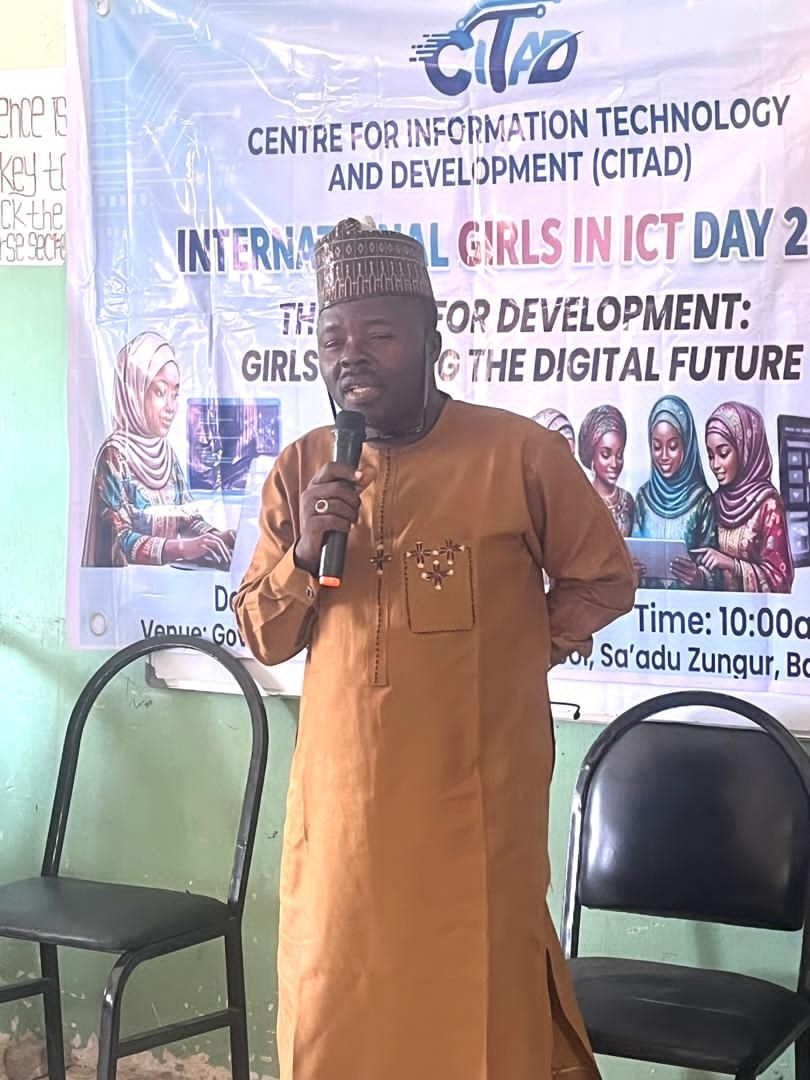
Another major outcome of the event was the immediate establishment of mentorship pathways. Panelists committed to mentoring interested participants, and post-event engagement has already commenced, with some girls reaching out and receiving guidance. This represents a transition from knowledge-sharing to sustained capacity development.
Institutional commitment was also strengthened, particularly from the Bauchi State Bureau for ICT, and ZeaTech which pledged to integrate participants into ongoing ICT training and mentorship programmes. Additionally, there were unexpected surprise by the representative of the DG ICT – the financial support provided to participants which served as motivation and reinforced the value of their participation.

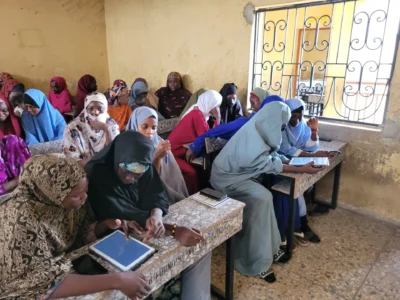
Schoolgirls actively attempting ICT quiz questions during the session.
In a nutshell, the activity moved beyond awareness creation to establishing practical, sustainable pathways for continued engagement, contributing to the broader objective of bridging the gender digital divide.
Key Achievements
More than 100% attendance of targeted participants (40 students and teachers)
High engagement level, with active participation and discussions
Immediate mentorship linkages established.
Institutional commitment secured from ICT stakeholders
Direct financial support provided by the State Bureau for ICT to participants
Clear pathways for continued learning and engagement created
Lessons for Future Programming
Mentorship components significantly increase impact beyond one-off training
Interactive sessions (e.g., panel discussions) drive higher engagement
Early stakeholder involvement enhances sustainability
Linking participants to existing programmes strengthens continuity
Conclusion
In conclusion, the activity achieved its intended outputs and demonstrated strong early outcomes. The presence of measurable indicators, immediate mentorship engagement, and institutional commitments suggests a high potential for sustained impact. The event serves as a replicable model for integrating awareness, engagement, and long-term capacity-building within digital inclusion programmes.