
|
Getting your Trinity Audio player ready...
|
Townhall Meeting on Gender Digital Inclusion: Addressing the Gender Digital Divide and Expanding Business Opportunities for Women in Northern Nigeria (AGENDA-WINNIG)
Venue: Conference Hall, ASUP Secretariat, Federal Polytechnic Bauchi, Bauchi State
Date: 15 April 2026
Time: 10:00 AM – 2:00 PM
Through the AGENDA-WINNIG Project, the Centre for Information Technology and Development (CITAD) convened a town hall meeting in Bauchi Local Government Area to engage key stakeholders on advancing gender digital inclusion, safer online practices, and economic empowerment for women and girls.
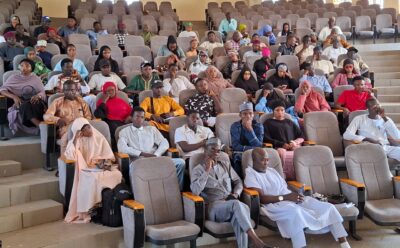
The meeting brought together representatives from government ministries, traditional institutions, civil society organizations (CSOs), youth groups, and community members.
The session served as a platform to examine barriers contributing to the gender digital divide, share experiences, and identify collaborative pathways for sustainable digital inclusion.
The event commenced with participant registration and informal engagement, followed by introductions and opening remarks. These activities set a collaborative tone and encouraged active participation among stakeholders.
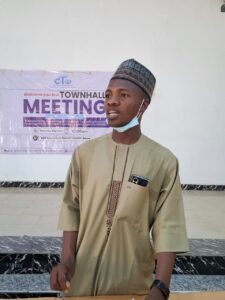
Opening remarks were delivered on behalf of the Executive Director, emphasizing the urgency of addressing the gender digital divide and the importance of inclusive participation.
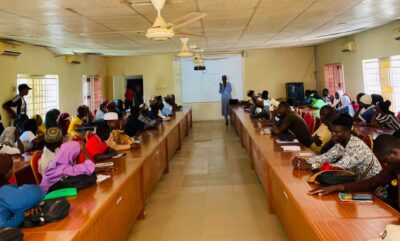
Representative of the Executive Director delivering the opening remarks at the town hall in Bauchi
Stakeholders, including representatives from government institutions and traditional leadership, expressed strong support for the initiative and acknowledged its relevance in improving access to digital opportunities for women and girls.
AGENDA-WINNIG Project Overview
The Project Lead provided an overview of the AGENDA-WINNIG Project, highlighting its focus on bridging the gender digital divide through targeted interventions.
Key components of the project include:
Training and Capacity Building: Digital literacy, CBT training, and online safety
Advocacy and Community Engagement: Stakeholder dialogue, awareness campaigns, and behavioral change
 Fatima, Project Lead, briefing participants on the town hall objectives and outlining key activities of the project.
Partnerships and Collaboration: Engagement with government, CSOs, and community stakeholders
The project adopts a community-centered approach aimed at ensuring sustainability and long-term impact.
Stakeholder Perspectives
Community and Civil Society Contributions
Stakeholders emphasized the importance of grassroots ownership and community participation. A representative of a community-based organization noted that sustainable impact depends on strong community involvement from the outset.
Civil society representatives highlighted the need to build on existing initiatives, particularly mentorship and digital training programs already supporting girls in various communities.
Education Sector Insights
The Education Secretary raised concerns about sustainability, particularly the exclusion of teachers from many interventions. He emphasized that without teacher involvement, long-term impact in schools remains limited.
In response, the project team clarified that teachers are included in training sessions to ensure continuity and post-training support.
Parental and Social Perspectives
Participants shared the need to shift parental attitudes toward digital technology. While concerns about misuse persist, stakeholders emphasized the importance of guided access rather than restriction.
Contributors highlighted that parental involvement and monitoring are critical to ensuring safe and productive use of digital tools by young people.
Youth and Gender Considerations
Youth representatives stressed the importance of involving young people as active drivers of digital inclusion initiatives.
Discussions also highlighted gender-specific barriers, including cultural norms that limit girls’ access to digital devices and opportunities.
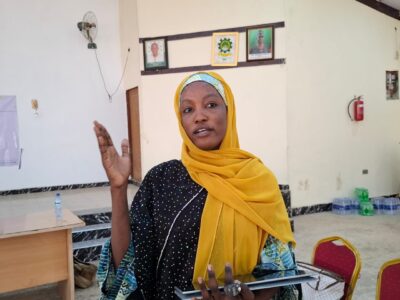
A woman leader actively contributing, sharing insights.
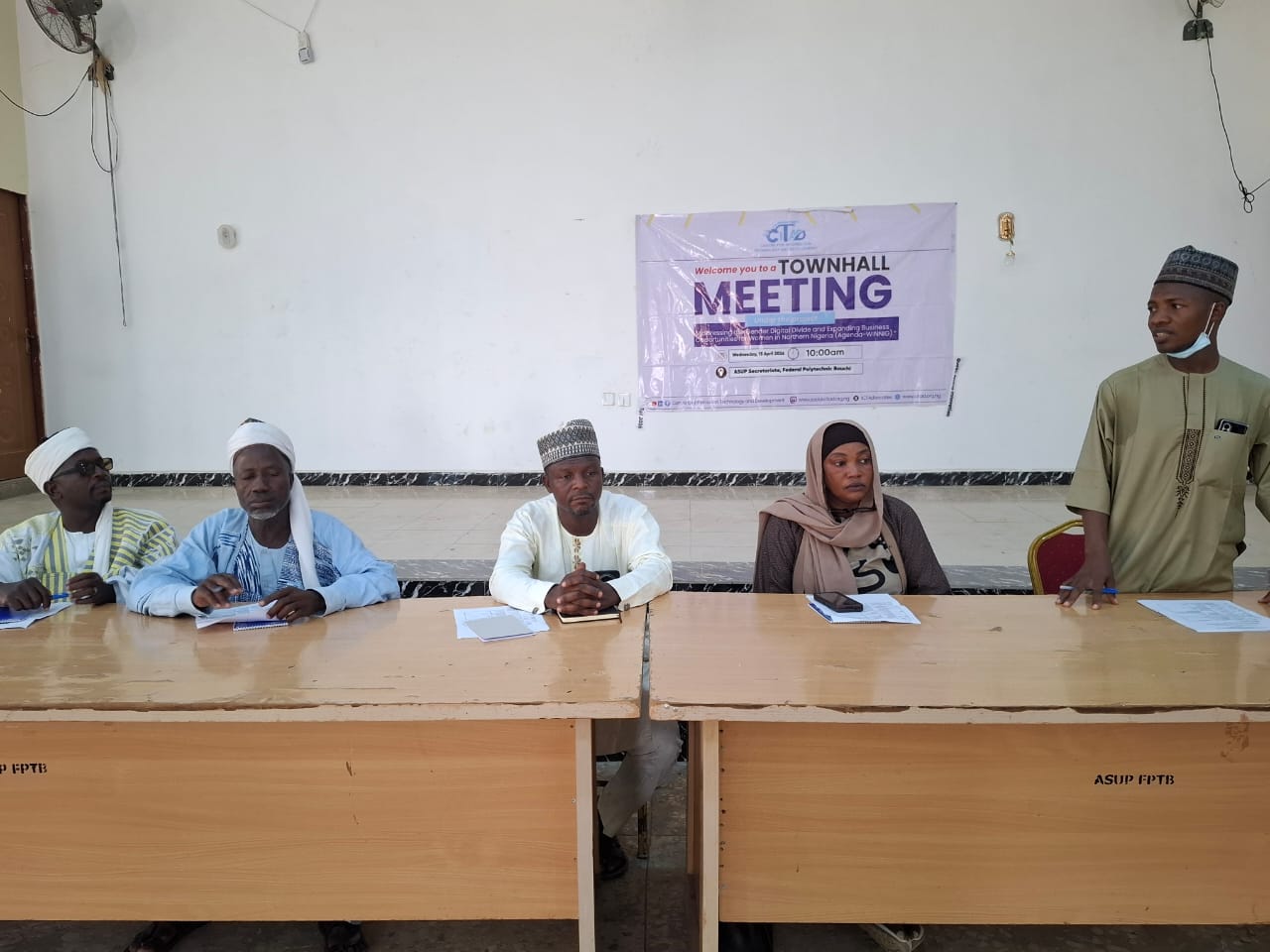
Stakeholders including traditional rulers, representative of the Ministry of Women Affairs at Bauchi
Key Issues Identified
Participants identified several critical challenges:
- Cultural norms restricting girls’ access to digital tools
- Limited digital literacy among women and girls
- Poor ICT infrastructure and inadequate facilities
- Weak sustainability mechanisms in previous interventions
- Concerns regarding misuse of digital devices
Traditional leaders sharing insights and perspectives during the town hall discussion.
Partnership Pathways and Co-Creation of Solutions
Stakeholders collaboratively proposed solutions to address identified challenges, including:
- Strengthening community mobilization and ownership
- Ensuring teacher inclusion in all training programs
- Promoting parental engagement and digital monitoring
- Leveraging existing CSO networks for outreach and scaling
- Enhancing collaboration between government and community actors
Stakeholders expressed commitment to supporting implementation and ensuring sustainability at the grassroots level.
Outcomes
The meeting achieved the following outcomes:
- Increased awareness of gender digital inclusion challenges
- Strengthened stakeholder engagement and collaboration
- Identification of practical, community-driven solutions
- Enhanced commitment to project implementation
Challenges and Observations
Despite strong engagement, several structural challenges were noted: Weak ICT infrastructure and limited access to digital tools, Unstable power supply affecting digital activities, Cultural resistance to women’s participation and Resource limitations impacting scale and sustainability
Conclusion
The Bauchi town hall meeting provided a strategic platform for inclusive dialogue and stakeholder engagement. The strong participation and diverse contributions demonstrated a high level of readiness to address gender digital inequality.
The engagement established a solid foundation for effective implementation of the AGENDA-WINNIG Project and reinforced the importance of collaborative approaches.
Recommendations
To advance gender digital inclusion, stakeholders recommended: Strengthening ICT infrastructure and access to power, Ensuring continuous involvement of teachers in training programs, Promoting digital safety and responsible usage, Encouraging community ownership and participation and Expanding multi-stakeholder collaboration for sustainability
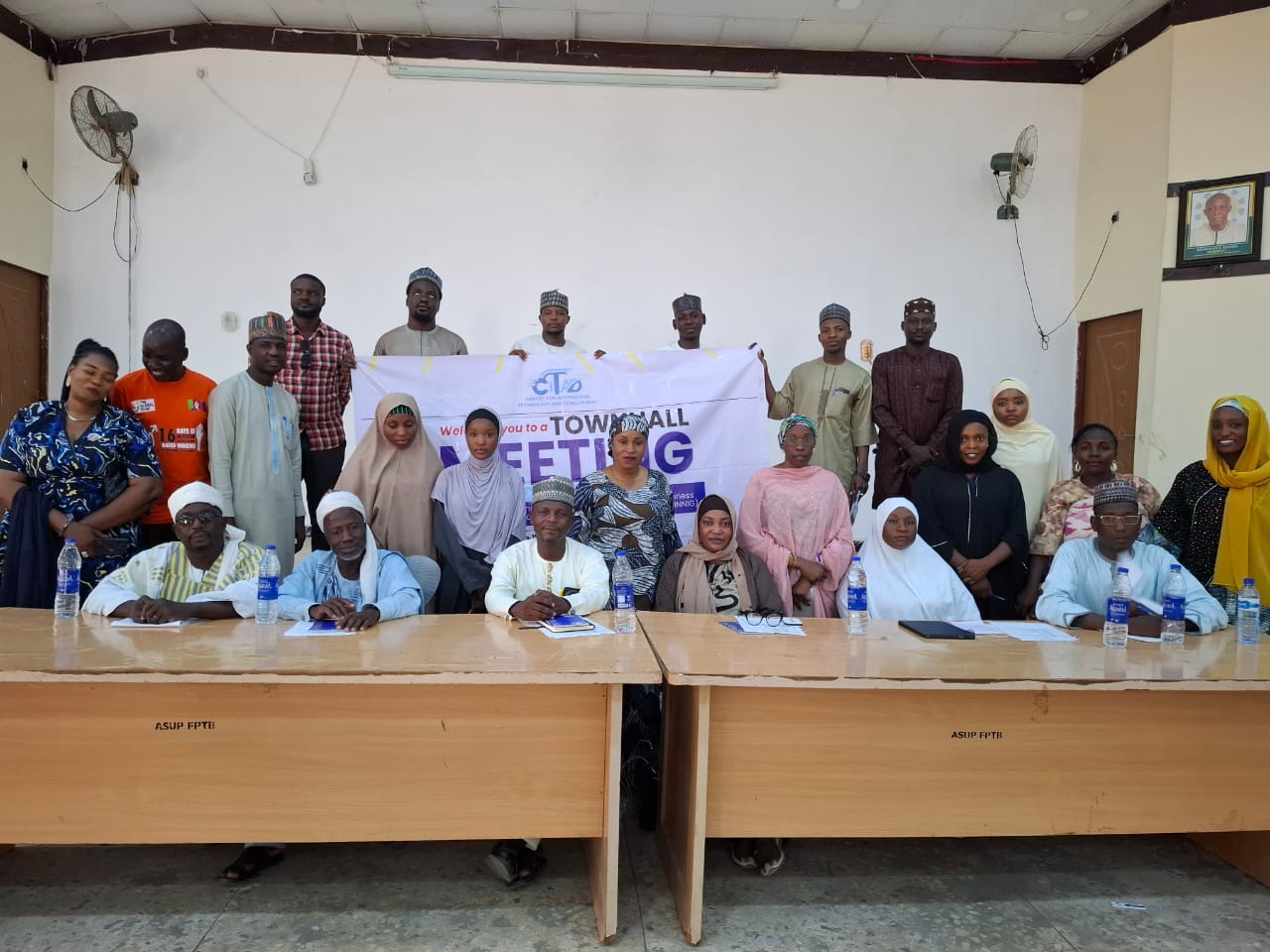
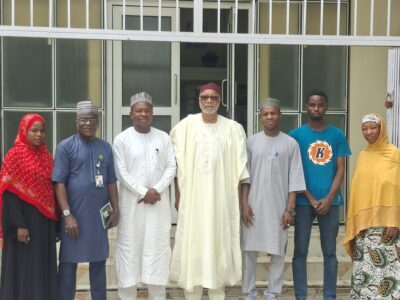
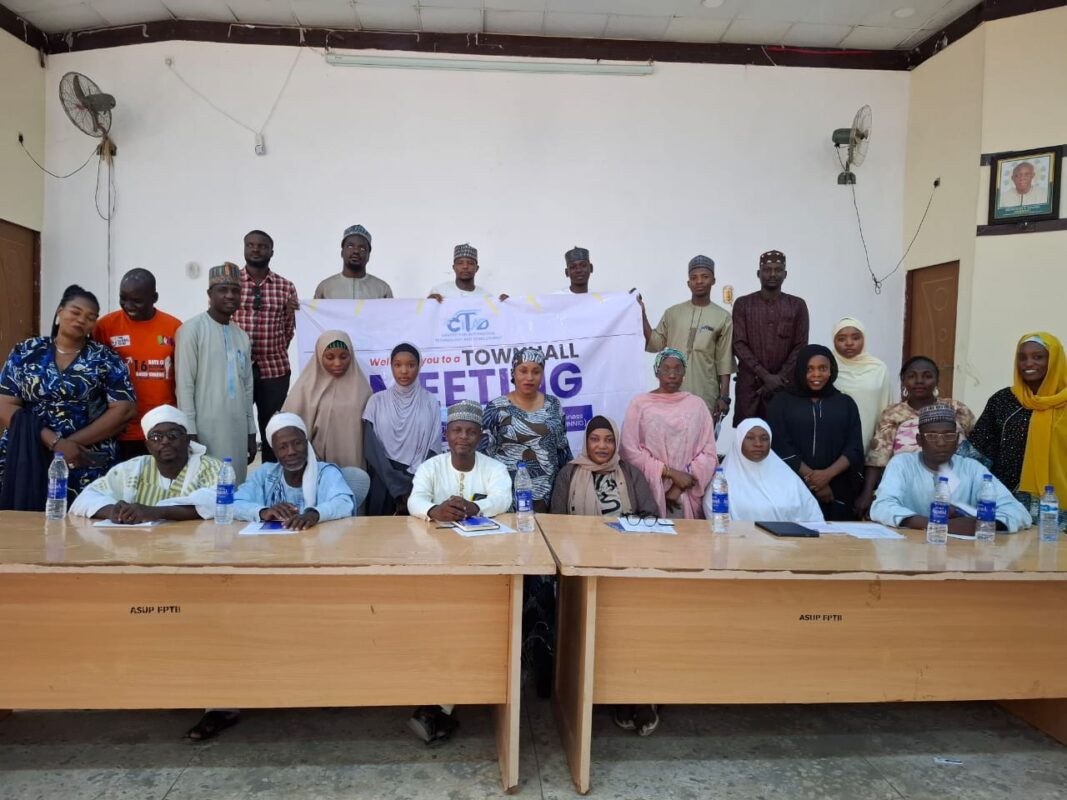
Group photograph of participants and stakeholders at the town hall meeting.