

|
Getting your Trinity Audio player ready...
|
Education stakeholders have raised concerns over overcrowded classrooms in Kano State, warning that the situation threatens the quality of education.
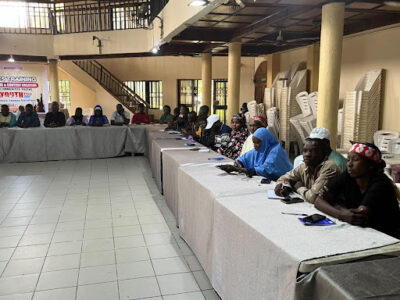
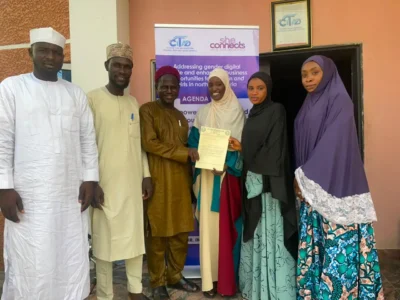
Speaking at a roundtable discussion organized by the Centre for Information Technology and Development (CITAD) on Friday, experts highlighted several challenges affecting the state’s education system, including unqualified teachers, political interference in recruitment, and weak quality assurance mechanisms.
Mijitapha Rano, one of the speakers, noted that many individuals enter the teaching profession not out of passion but as a last resort when other job opportunities fail.
“We must embrace teaching as a profession, not as a last resort when other jobs are unavailable. The quality of education depends on the commitment of teachers, and that commitment can only come when teaching is seen as a career of choice,” he said.
He stressed the importance of training and retraining teachers, particularly through subject-based training rather than generalized programs.
“English teachers should be trained in English, Mathematics teachers in Mathematics. Combining all subjects into a single training and calling it capacity building is a major flaw,” he added.
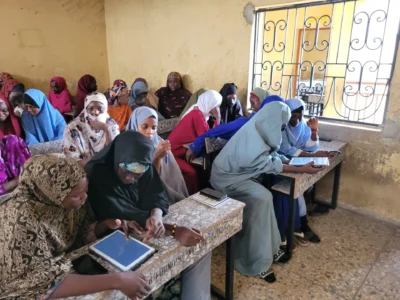
Stakeholders at the event also criticized political interference in teacher recruitment, noting that unqualified individuals are often appointed at the expense of competent candidates. They argued that this, coupled with overcrowded classrooms, prevents teachers from effectively engaging students, leading to poor learning outcomes.
“We call on stakeholders to address the issue of overcrowded classrooms, which makes it difficult for teachers to effectively engage students, limiting their ability to provide individual attention. This, in turn, affects the recommendations that quality assurance officers can make regarding classroom management and instructional methods,” they stated.
The experts also questioned the appointment of education commissioners without backgrounds in the field, contrasting it with the health sector, where leadership is typically assigned to professionals.
“How can you appoint someone who is not from the education sector to lead education in the state? In the health sector, the commissioner is always a professional. Why is education treated differently?” one speaker asked.
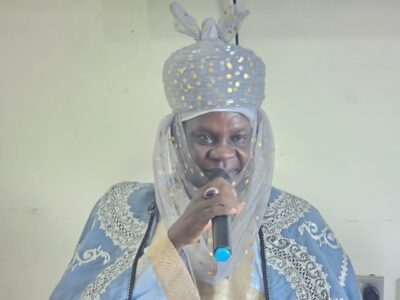
Professor Garba Sa’ad of Bayero University, who moderated the discussion, pointed to the lack of an effective quality assurance system as another concern.
“Many quality assurance officers lack the necessary mobility, funding, and incentives to perform their duties effectively. How can an officer conduct school inspections without a vehicle or an allowance? Many times, they have to use their own money, which discourages them from doing their work properly,” he said.
To address these challenges, the experts recommended establishing well-funded quality assurance offices in every educational zone and holding annual education quality assurance conferences. They also emphasized the need for greater community involvement in monitoring schools.
“Communities must take an active role in monitoring schools. Education is a collective responsibility, and without strong community involvement, reforms will be difficult to sustain,” they noted.