|
Getting your Trinity Audio player ready...
|
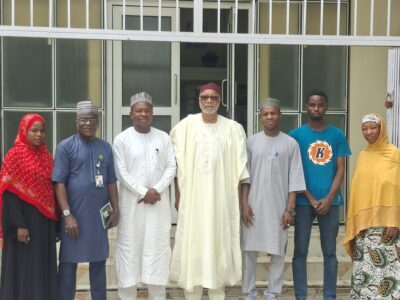
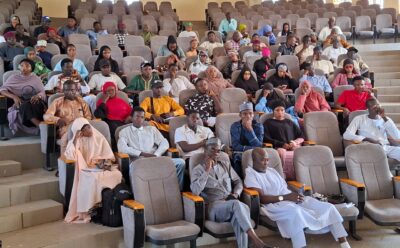
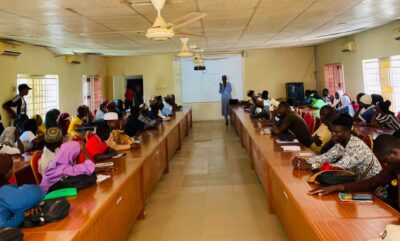
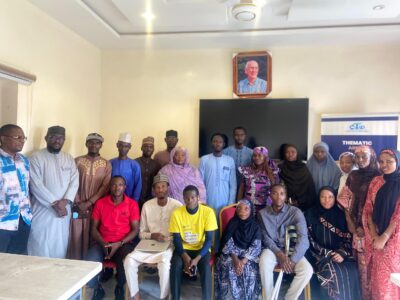
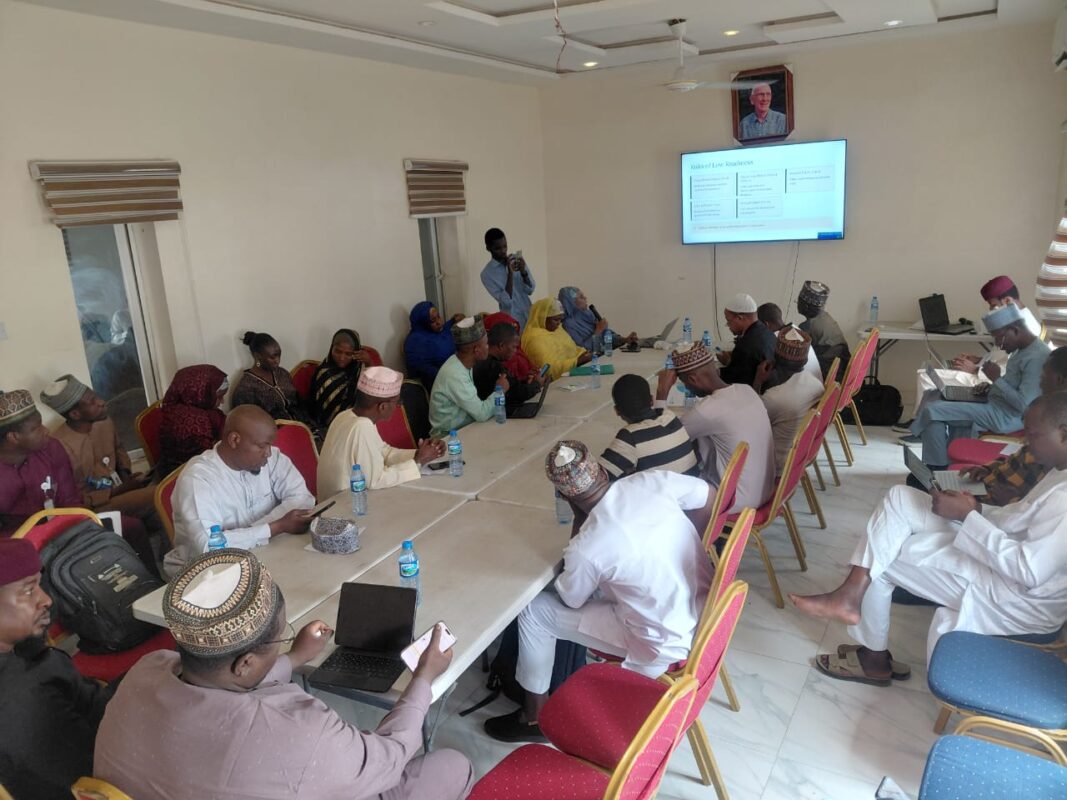
The Centre for Information Technology and Development (CITAD) organized a Research
Methodology Workshop on Artificial Intelligence (AI) Readiness at Subnational Levels, held
on April 21, 2026, at the Prof. Bjorn Beckman Hall, Kano. The workshop brought together
experts, policymakers, and researchers to examine how prepared Nigerian states are to
adopt and deploy AI-driven solutions.
In his opening remarks, CITAD’s Digital Rights Lead, Ali Sabo, emphasized the importance of
understanding AI readiness beyond national frameworks, noting that meaningful impact
depends on state-level preparedness. The workshop aimed to assess infrastructure, skills,
public awareness, governance frameworks, and contextual realities influencing AI adoption
across states.
Dr. Salihu Abdulkarim of the National Information Technology Development Agency (NITDA)
presented a paper on AI Readiness in Nigeria: Current State, Strategic Framework, and Path
Forward highlighting both the opportunities and challenges of AI in Nigeria. While noting
the country’s growing digital economy, he pointed out critical gaps in infrastructure, data
availability, and human capital. He stressed that AI readiness is multi-dimensional, requiring
coordinated efforts across policy, infrastructure, and skills development.
In a second presentation, Dr. Hafsat Ahmed Kabir of Bayero University, Kano, underscored
that AI readiness is not a one-time achievement but a continuous process. She highlighted
the need for sustained investments, monitoring, and evaluation to ensure responsible and
effective AI deployment.
CITAD’s Executive Director, Mal. Y. Z. Ya’u, introduced the research concept, focusing on
pilot assessments in Kano, Bauchi, and Plateau States. He noted that public understanding
of AI remains limited and often restricted to generative tools, stressing the need for broader
awareness and practical applications in sectors such as education, healthcare, and security.
Discussions during the workshop identified key challenges affecting AI readiness at
subnational levels. These include weak infrastructure, unreliable electricity, limited
broadband access, inadequate data systems, low digital literacy, and gaps in institutional
capacity. Participants also highlighted issues such as poor coordination among agencies,
funding constraints, and the risk of excluding rural and vulnerable populations.
To address these challenges, participants proposed a range of recommendations, including
increased investment in digital infrastructure, development of a unified AI readiness
framework, strengthening data ecosystems, and expanding capacity-building initiatives.
They also emphasized the need for inclusive policies, multi-stakeholder collaboration, and
sustained support for research and innovation.
The workshop concluded with a shared recognition that while Nigeria has made progress at
the national level, significant gaps remain at the state level. Bridging these gaps will require
coordinated action, strong governance, and inclusive approaches to ensure AI contributes
meaningfully to development and public service delivery across the country