
Townhall Meeting on Gender Digital Inclusion: Addressing the Gender Digital Divide and Expanding Business Opportunities for Women in Northern Nigeria (AGENDA-WINNIG)
The meeting commenced with an opening prayer led by a volunteer, followed by self-introductions.
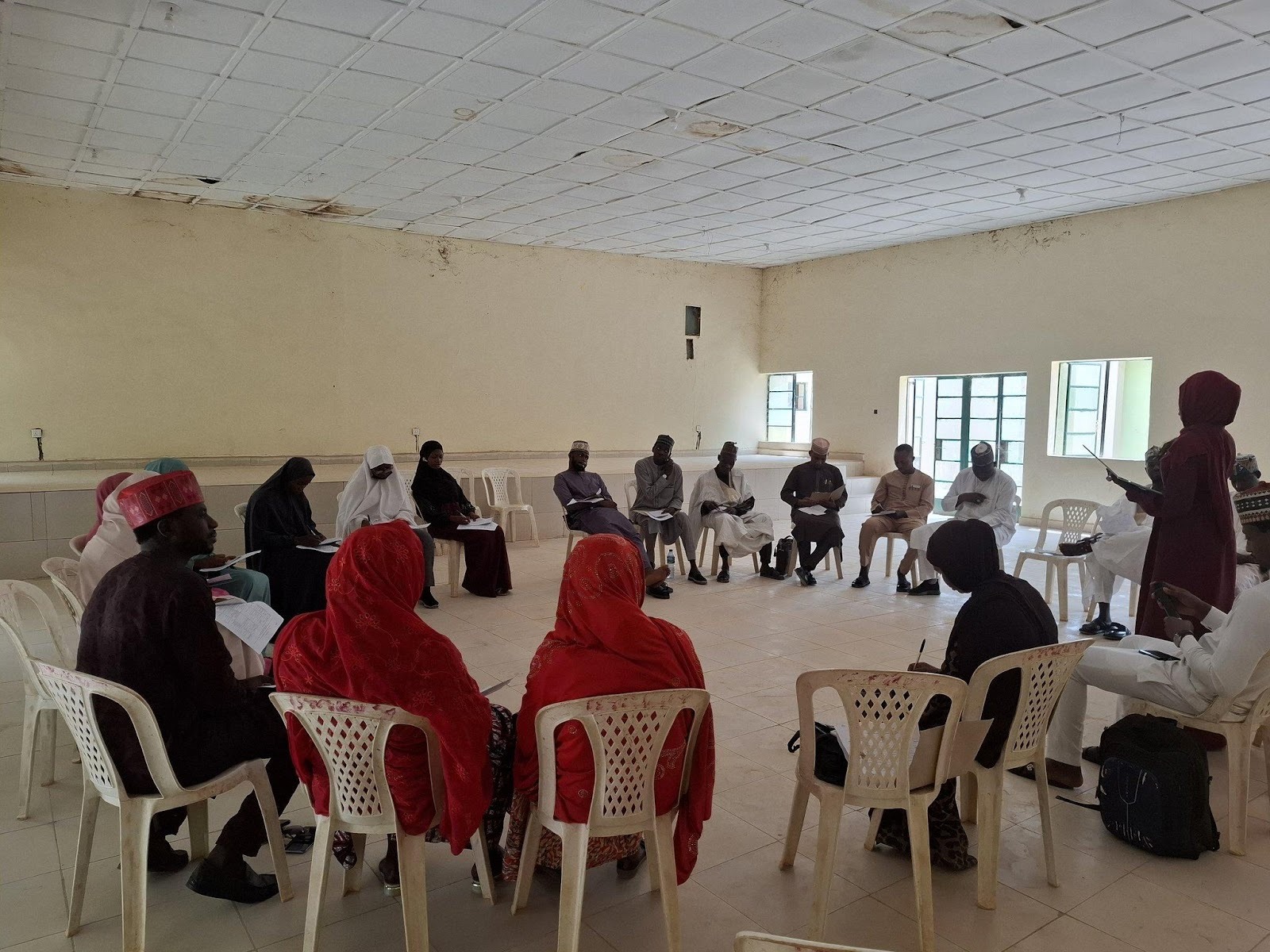
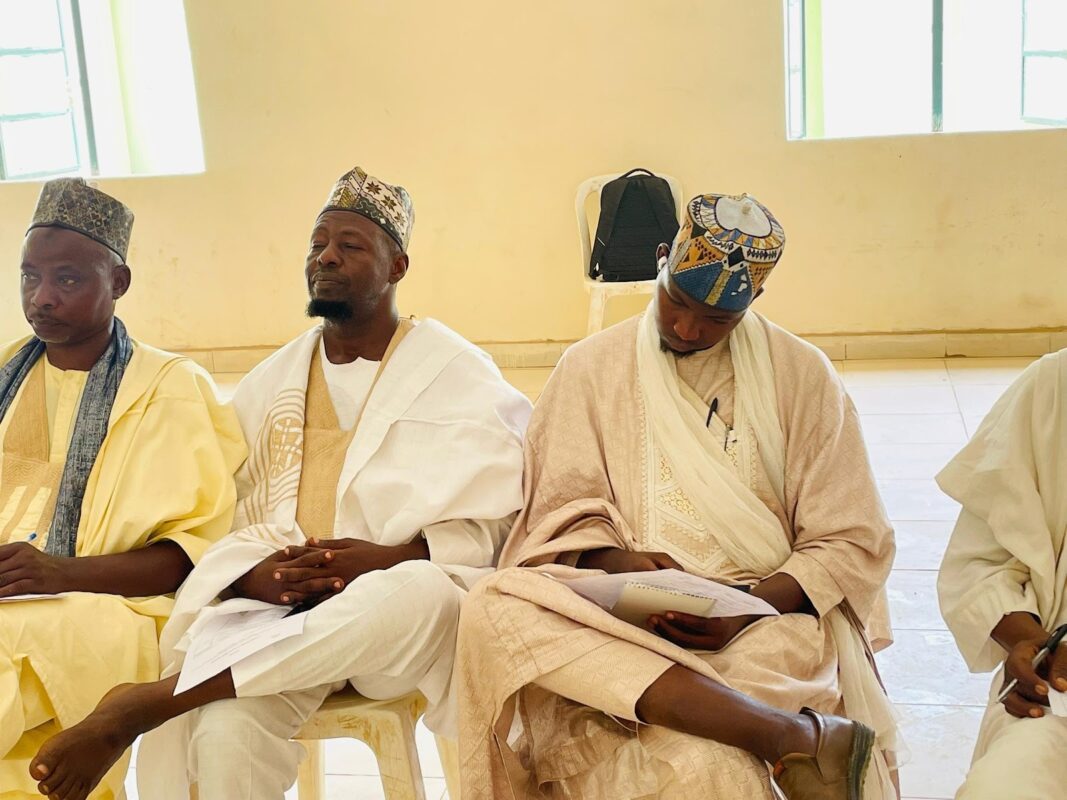
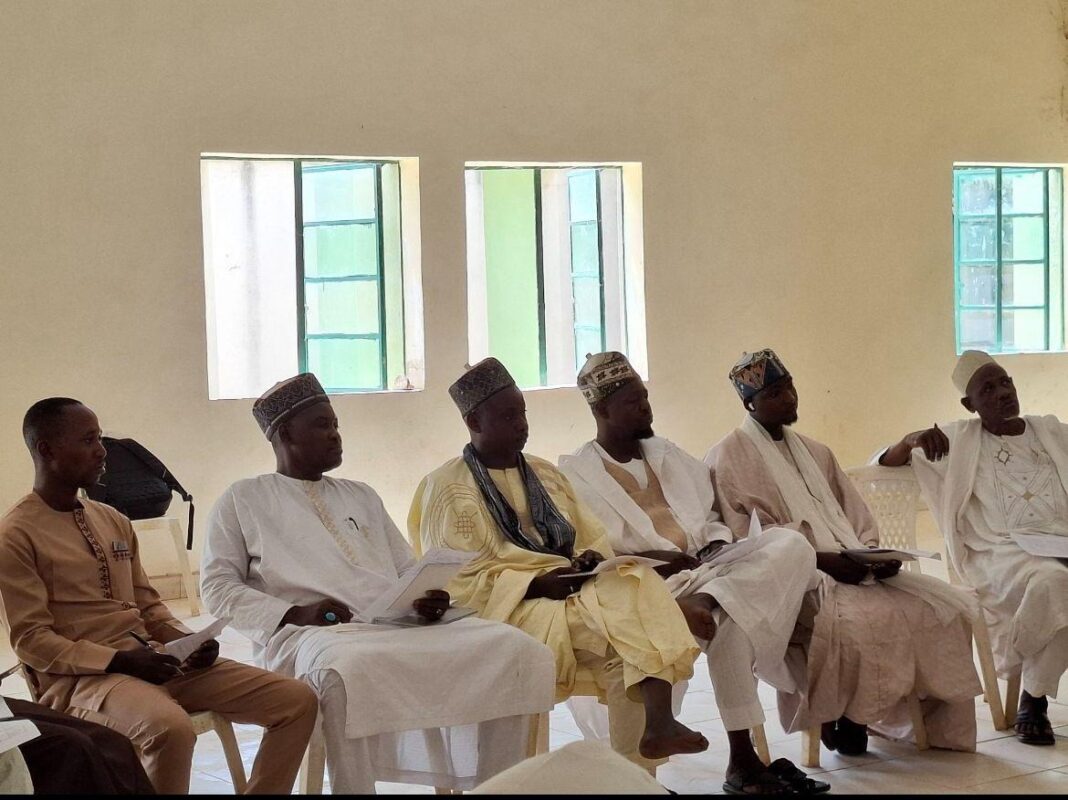
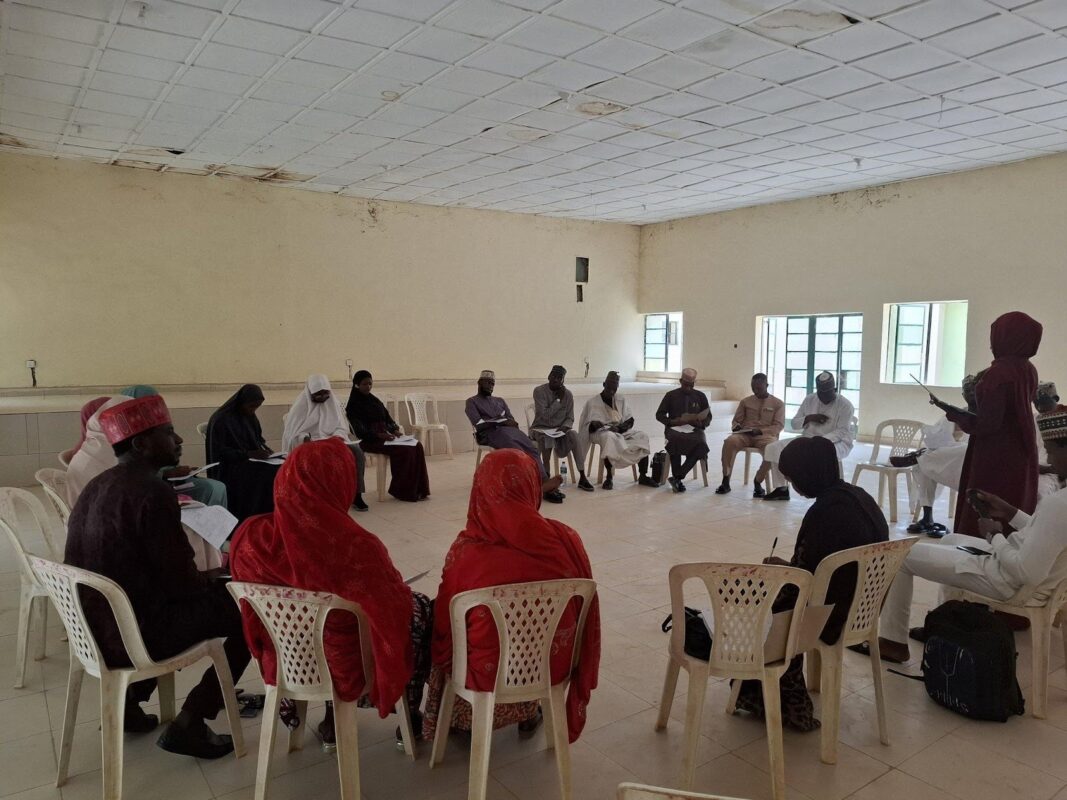
The townhall brought together Government officials, education leaders, community and religious representatives, women and girls’ groups, NGOs, and development partners. The session provided a platform to discuss the gender digital divide, highlight existing gaps, and explore partnership opportunities to support women’s access to digital technology.
The meeting is conducted at three senatorial District, Kano Central kano South kano North likewise in Bauchi three senatorial District Ningi,Bauchi, Jama’re
Welcome Remarks and Opening Context
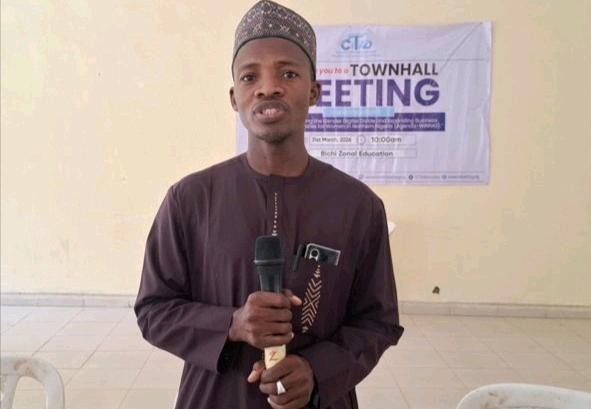
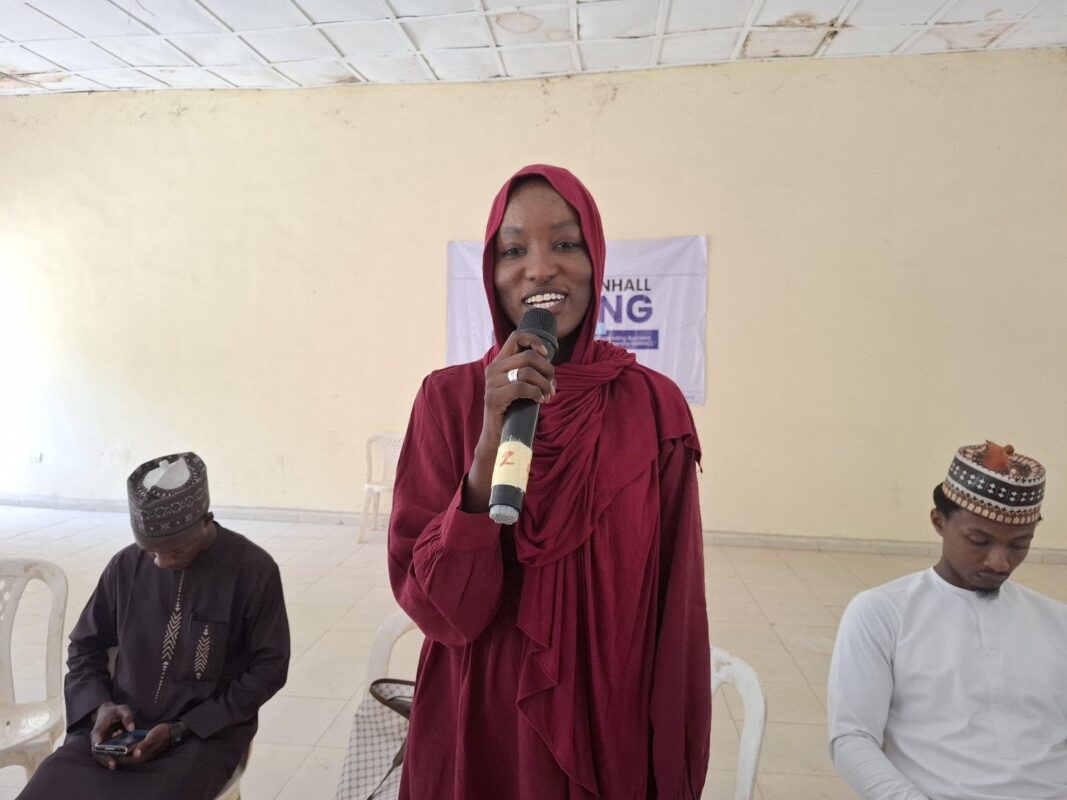
The welcome remarks were delivered by Kamal Garba, representing the Director of the Centre for Information Technology and Development (CITAD), Y. Z. Ya’u. He set the tone for collaboration and shared ownership by providing the background of the project, including its aims and objectives.
He explained that many women fear social media due to cyberbullying. CITAD initiated the project to address these fears, create awareness, and guide women on how to stay safe online and use digital platforms for income generation.
He further highlighted that the project seeks to train women and girls on how to effectively use computers and smartphones, noting that while the world is already digitalized, many women are left behind. Although many women own smartphones, they often do not know how to use them productively for income generation, instead using them mainly for watching movies.
He also noted that CITAD is currently training SS3 students on UTME usage, as many students fail not due to lack of subject knowledge but due to poor computer skills. The training is ongoing in Kano and Bauchi states across schools and communities. He emphasized the need for digital literacy training and opened the floor for discussion on how to effectively implement the project.
Project Overview and Partnership Opportunities
Fatima Babakura, Project Manager, delivered a presentation on the AGENDA-WINNIG project, providing context and highlighting partnership opportunities.
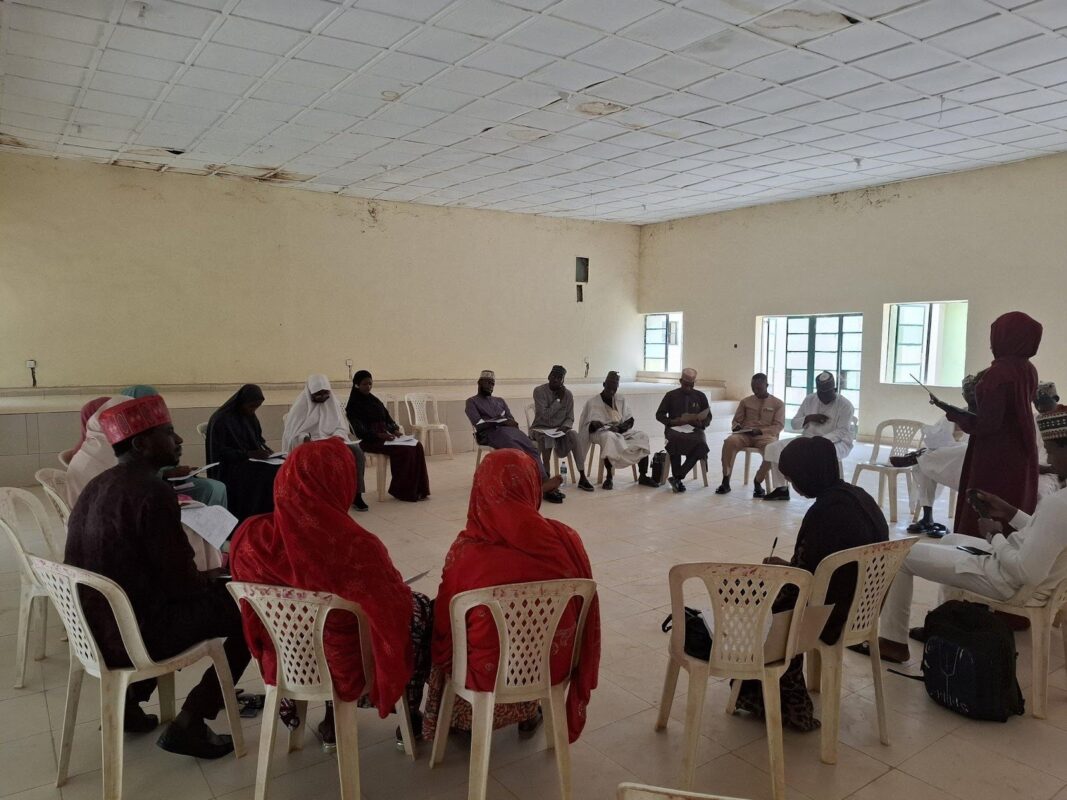
The project will be implemented in Kano and Bauchi states and includes several training programs targeting different groups:
Digital Literacy: Focused on SS3 students in Kano and Bauchi. The project intends to train 5,000 students (1,500 in Kano and 1,000 in Bauchi), with plans to continue in 2027.
Women and Girls Digital Training: Targets three categories:
-Girls in secondary schools.
-Girls who have not completed secondary school or have not proceeded to higher education.
-Women and girls who have completed higher education or stopped after secondary school.
Participants are typically between ages 16–40.
Safety and Digital Hygiene (NauraTsaftaceciya – Safe Digital Space): Targets 15,000 participants, providing first-time digital skills with a focus on online safety and confidence. Basic literacy is required.
Training of Trainers (TOT): Targets women aged 30–40 who are staff, volunteers, and associates of partner organizations. The first six months of TOT training has already been conducted in Kano and Bauchi.
In addition to training, the project includes stakeholder engagement activities such as:
State-level and federal-level engagements
Community townhall meetings (6 per state)
Public education and enlightenment campaigns
Role model forums (every six months)
Girls in ICT Day celebrations
Privacy Protection Day activities
Economic Empowerment and Opportunities
To create employment opportunities, the project will implement:
Linkages and facilitation initiatives
Business clinics (two per state)
Creativity and innovation fairs (one per state)
Private sector/employers forums
Onboarding beneficiaries onto a virtual market space to promote their businesses
Survey and Publications
The project will also conduct:
Production of three policy briefs (1,000 copies each)
Surveys on digital literacy training facilities (baseline, midline, and endline)
Beneficiary tracer surveys (every six months)
Profiling of high-impact beneficiaries
The project duration is 18 months, and implementation will be carried out with stakeholder support.
Goodwill Messages
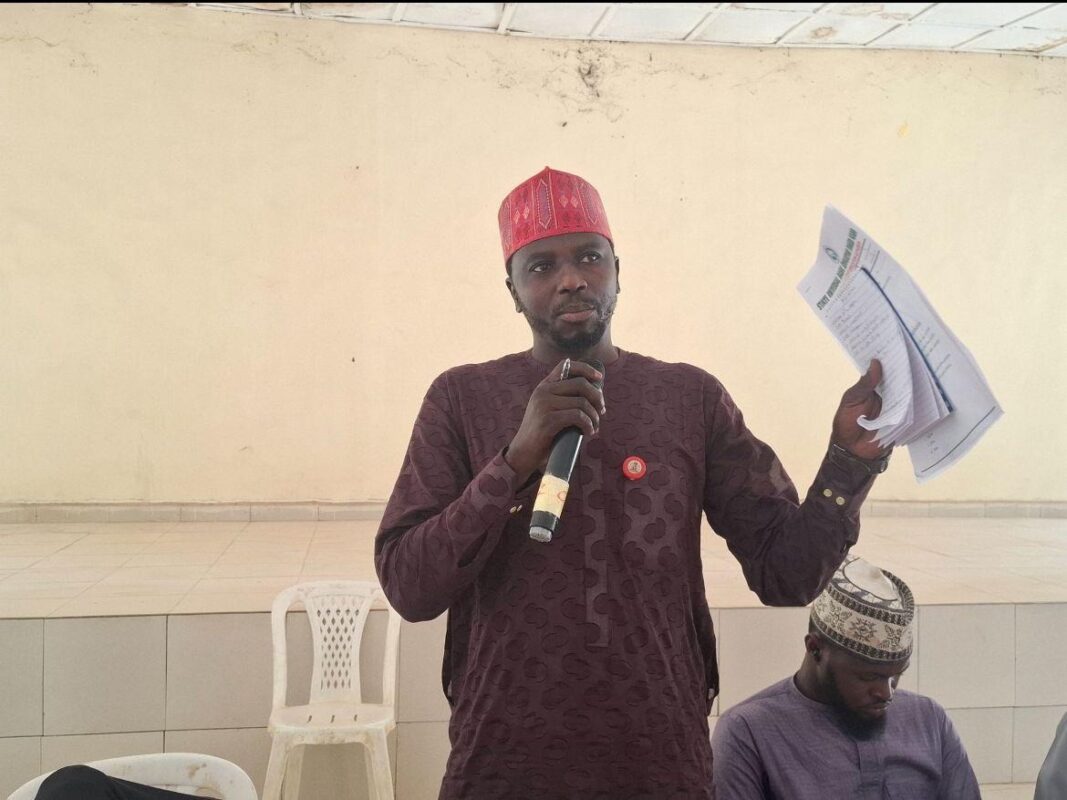
Goodwill messages were delivered by the Education Director, Education Secretary, District Head, Imam, and NUT Chairman.
They appreciated the initiative, describing it as timely and impactful. They expressed readiness to support CITAD throughout the project, emphasizing that empowering women with knowledge benefits the entire nation.

Stakeholders’ Perspectives
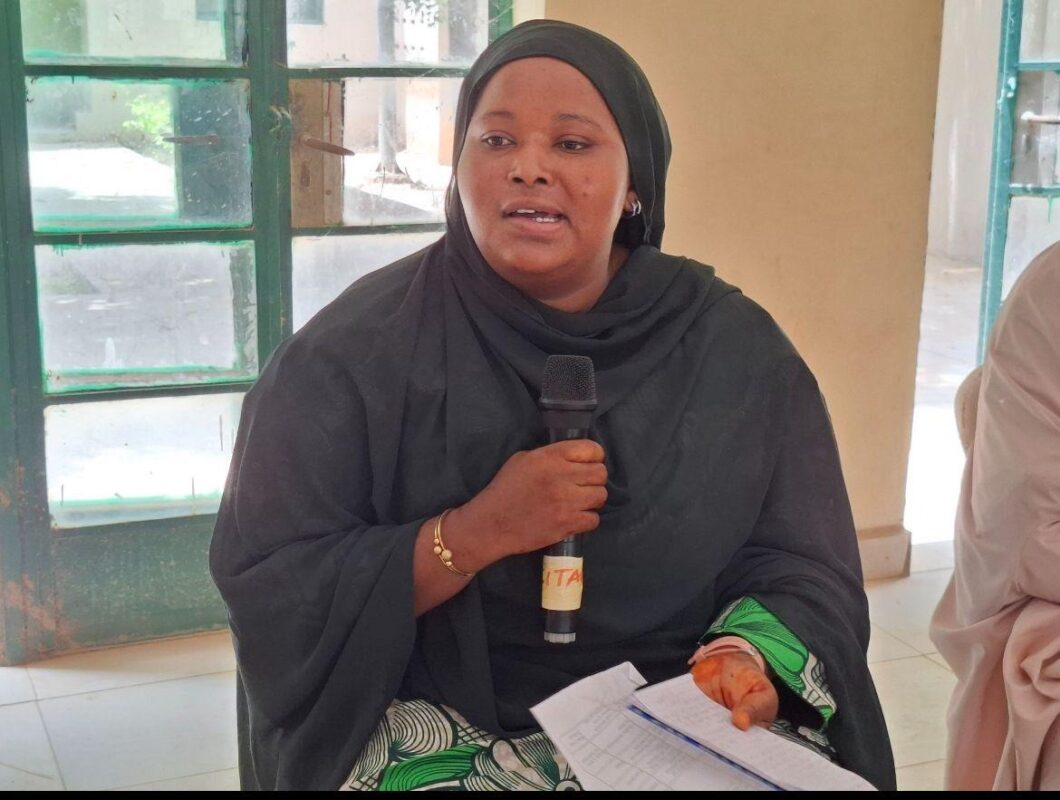
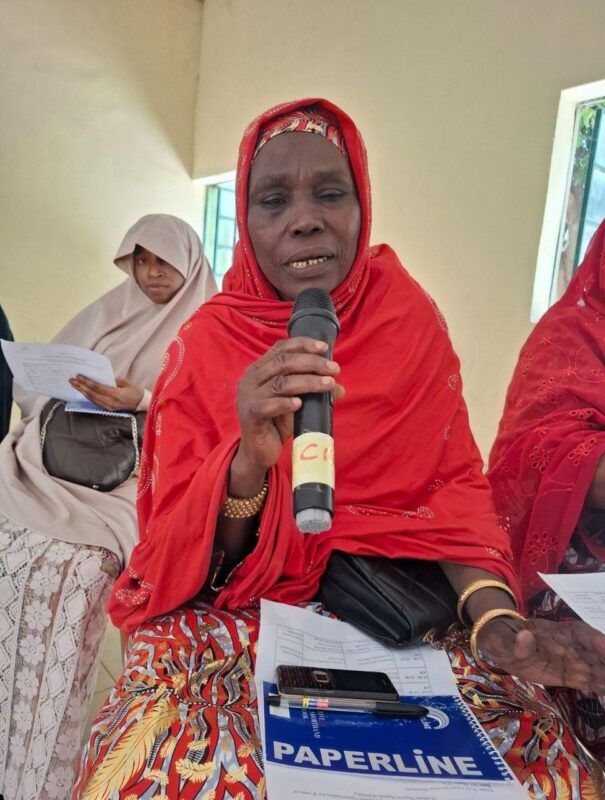
Stakeholders highlighted the need for increased awareness, especially in rural communities, to ensure women benefit from the project. They emphasized the importance of digital literacy and safety, particularly as examinations such as JAMB and potentially WAEC and NECO are transitioning to computer-based formats.
They noted that many students fail exams due to lack of computer skills and called for stronger government involvement in integrating digital education from the grassroots level.
Stakeholders also acknowledged that while some women successfully use the internet for business, many lack guidance. They stressed that with proper training, more women could generate income online and improve their livelihoods.
Concerns were raised about:
Misuse of phones due to lack of knowledge
Parents restricting girls’ access to smartphones due the dangerous
Limited digital skills among women and girls despite phone ownership
Poor maintenance of ICT centers in Bichi
Lack of response from CITAD to previous requests for technical support
Stakeholders advised expanding the target groups to include more beneficiaries, as digital literacy is essential for all.
Presentation on Gender Digital Divide
Buhari Abba presented on the Gender Digital Divide in Nigeria.
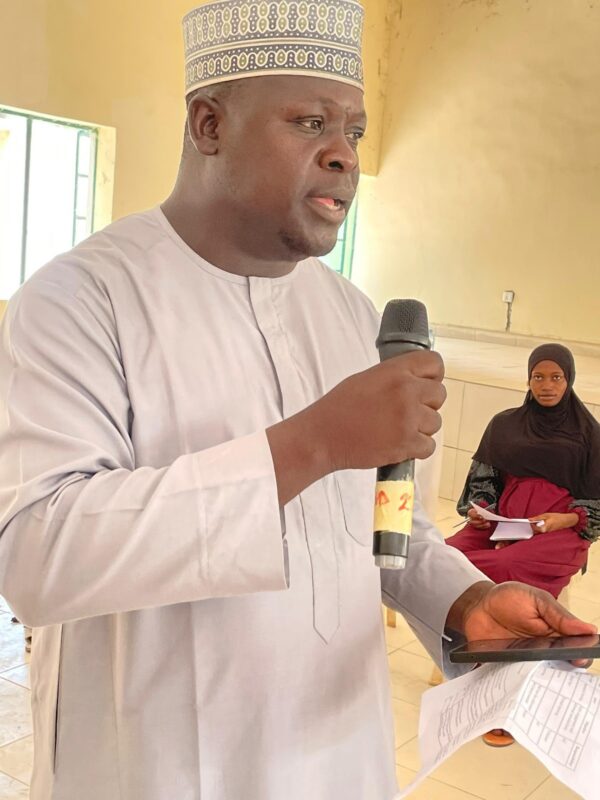
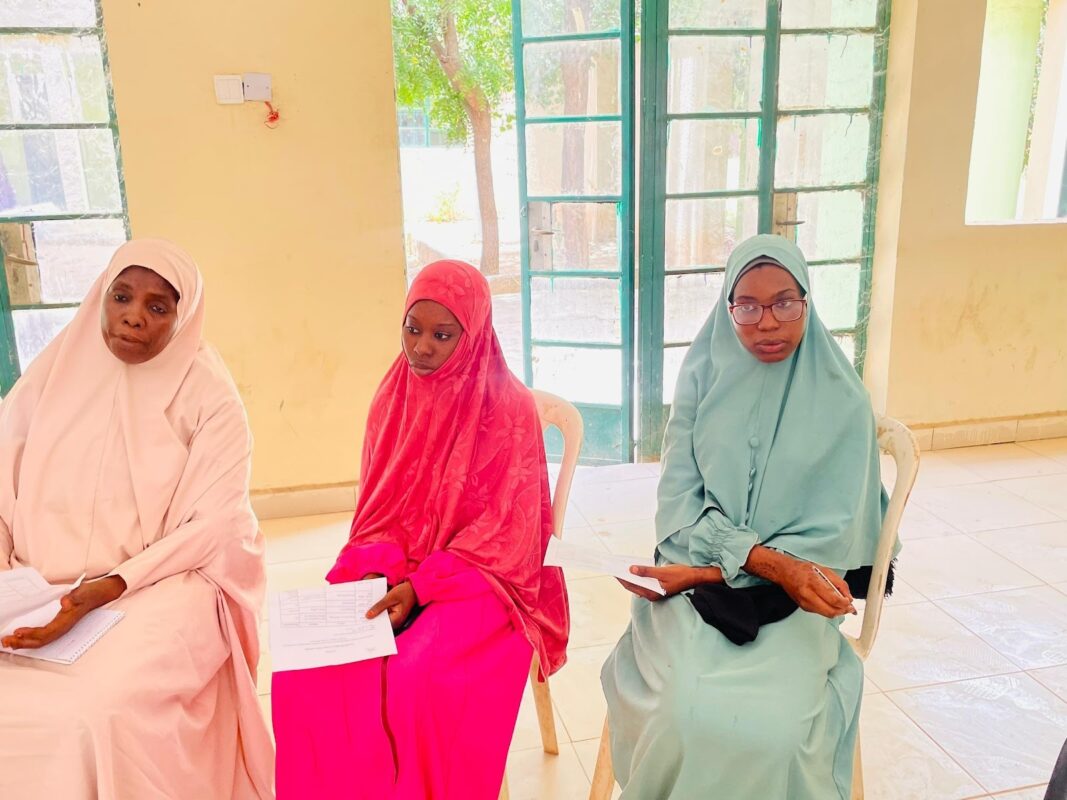
He explained that while Nigeria is a mobile-first digital market, only about 39% of the population had internet access as of 2023. He described the digital divide as disparities in access, skills, affordability, and socio-cultural barriers.
He emphasized that digital literacy is key, noting that over 50% of Nigerians lack basic digital skills, with women disproportionately affected.
He highlighted:
A 17.05% gender gap in internet usage (USAID, 2023)
Global disparity: 70% of men vs. 65% of women use the internet
Rising costs of data and services affecting access
Infrastructure challenges such as poor connectivity and electricity
He outlined the implications, including economic exclusion, educational disadvantage, and limited access to information.
Recommendations included promoting digital literacy, especially among women and girls, and integrating digital education into school curricula.
Barriers and Community Realities
Discussions identified several barriers affecting women:
Financial instability and poverty
Language barriers
Online harassment and cyberbullying
Cultural limitations
Lack of parental awareness
Participants emphasized the importance of educating parents to support their children’s digital engagement.
Partnership Pathways
John Otaro presented partnership pathways, defining roles and collaboration areas among stakeholders:
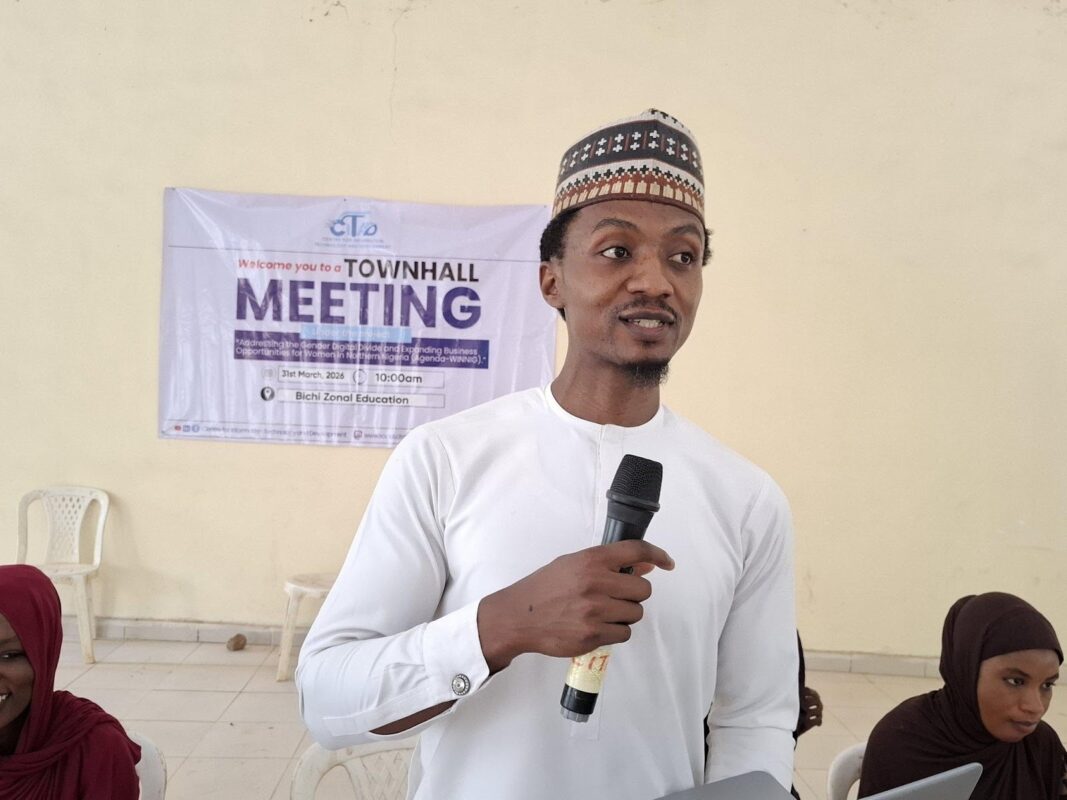
Government and education officials provide policy support and institutional backing, while community and religious leaders mobilize and build trust within communities. Women and girls’ groups actively participate and advocate within their networks, and NGOs and development partners provide technical expertise, and monitoring support.
Collaboration focuses on digital literacy, community mobilization, gender-responsive learning environments, and economic opportunities for women. Commitments are formalized through pledges, supported by a Community Partnership Committee and quarterly review meetings.
Stakeholders assured their cooperation and support for the project, having understood its importance and objectives. The NUT Chairman noted that computer-based testing will, in the near future, become standard practice in schools. He considered it timely that the project seeks to educate women on how to navigate such skills, urging all to view it as a step in the right direction toward promoting digital literacy among women and girls.
Stakeholders further recommended increased awareness for parents to support their children’s participation in Computer-Based Test (CBT) training and digital literacy programs. They also called for collaboration with government to update the educational curriculum to include more digital literacy components.
Government & Education Officials: Policy enablers and institutional anchors
Community & Religious Leaders: Trust builders and mobilisers
Women & Girls Groups: Primary beneficiaries and advocates
NGOs & Development Partners: Technical and resource partner
Key collaboration areas include:
Digital literacy training
Community mobilisation
Safe learning environments
Business opportunities and linkages
Monitoring and accountability
Policy advocacy and sustainability
Stakeholder Discussions and Community Dialogue
Stakeholders noted that many projects fail due to weak monitoring and evaluation, while CITAD assured that M&E mechanisms are in place.
Community discussions highlighted:
The need for collaboration between parents, government, and stakeholders
Fear of cyberbullying limiting women’s participation online
Misuse of internet for non-productive activities
The need for digital safety and hygiene training
The importance of providing tools such as smartphones and connectivity support
Participants called on CITAD to:
Engage parents and communities
Expand digital literacy initiatives
Collaborate with government
Provide guidance and solutions to community challenges
The importance of digital literacy was emphasized as essential to daily life, comparable to basic needs like air and water.